
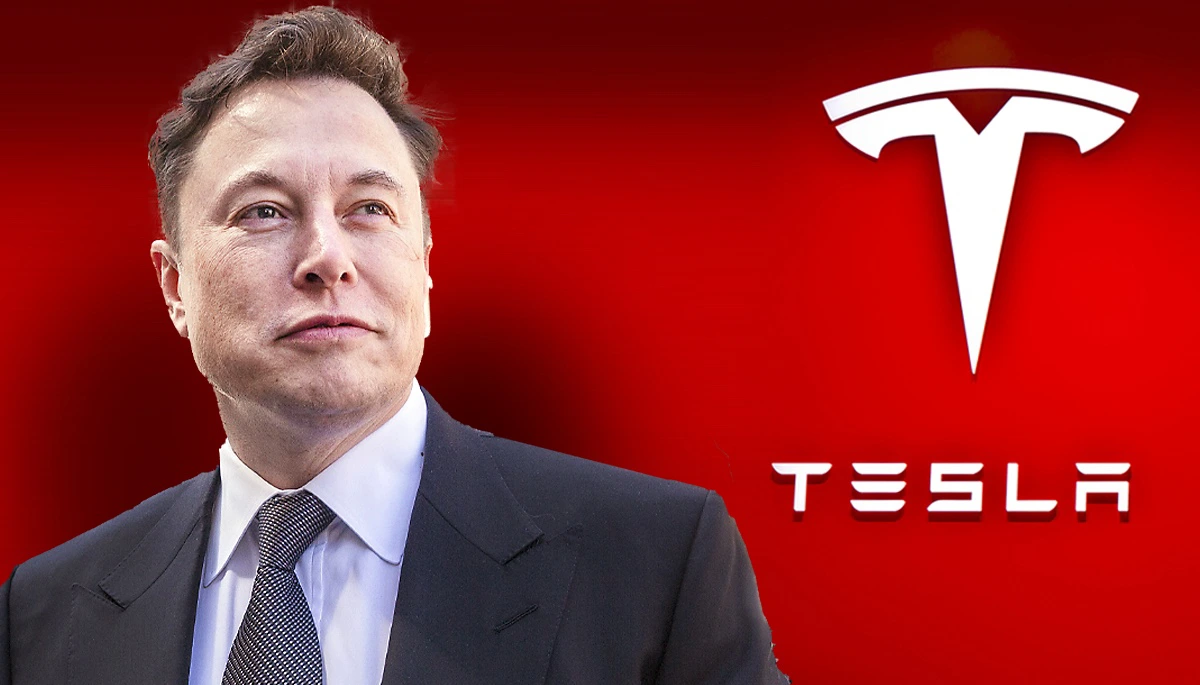
SAN FRANCISCO — Tesla’s board of directors is asking shareholders to approve one of the largest executive compensation packages in corporate history, a vote that could reshape the company’s future and reaffirm Elon Musk’s dominant role in it.
Investors are set to decide Thursday whether to reinstate a performance based pay deal worth up to $878 billion in company stock. The board has warned that rejecting the plan could risk Musk’s departure from the company he helped turn into the world’s most valuable automaker.
The vote represents more than a compensation issue it’s a test of corporate governance principles and investor faith in Musk’s vision to turn Tesla into an artificial intelligence powerhouse.
The pay package, first approved in 2018 and later voided by a Delaware judge in January, ties Musk’s compensation entirely to performance goals tied to Tesla’s market value, revenue and profitability.
If all benchmarks are met within ten years, Tesla’s market capitalization would exceed $8.5 trillion, and Musk would own about one fourth of the company.
Tesla’s board, led by Chair Robyn Denholm, has urged shareholders to restore the plan, arguing that Musk’s leadership is vital to Tesla’s ambitions in self driving technology, robotaxis and humanoid robots.
“Elon is not just a CEO. He’s the driving force behind Tesla’s innovation,” Denholm said in a letter to shareholders. “Retaining him is critical for our long-term success.”
But critics argue the board has become too reliant on Musk’s star power and has failed to maintain proper independence. The Delaware court earlier ruled that the original pay package was “deeply flawed” and negotiated by directors with personal and financial ties to Musk.
Corporate governance experts say the vote underscores a growing tension between traditional board oversight and the rise of celebrity CEOs who wield significant influence over investors and markets.
“This is not just about one executive’s pay,” said Charles Elman, a professor of corporate law at Columbia University. “It’s about whether boards are willing to hold visionary leaders accountable under the same governance rules as everyone else.”
Elman noted that while Musk’s compensation is performance based, the scale of the award gives him immense control. “If the stock hits those levels, Musk becomes one of the most powerful individuals in corporate history,” he said.
Supporters of the plan counter that Musk has consistently defied conventional expectations, transforming Tesla from a niche electric vehicle maker into a trillion dollar enterprise.
Nancy Tengler, CEO of Laffer Tengler Investments and a Tesla shareholder, said her firm plans to vote in favor of the package. “If the stock goes up sixfold, we’re all making money,” Tengler said. He’s earned the right to be rewarded if he delivers.
The scale of Musk’s potential payout dwarfs that of other major corporate leaders. According to data from Equilar, a compensation research firm, the largest CEO pay packages in 2023 were under $300 million a fraction of Musk’s proposed award.
When Tesla’s board first approved the plan in 2018, the company’s market capitalization was roughly $50 billion. It peaked at more than $1 trillion in 2021 before dropping amid economic uncertainty and Musk’s high profile acquisition of social media platform X, formerly known as Twitter.
Tesla’s shares have rebounded in recent months, but analysts remain divided on whether the company can achieve the ambitious goals required under the compensation plan, including scaling autonomous vehicle production and AI driven robots.
Among Tesla’s retail investors a passionate and vocal group who hold a significant portion of the company’s shares opinions are mixed.
“I believe in Elon’s vision,” said Ahmed Rahman, a retail investor from Dallas who has owned Tesla stock since 2019. “He’s the reason I invested in the first place. If this motivates him to stay and build the future, it’s worth it.”
Others are more skeptical. “This isn’t about innovation anymore, it’s about power,” said Melissa Chang, a shareholder from Seattle. “No CEO should have that much influence over a public company, no matter how brilliant they are.”
Institutional investors have also voiced concerns. The California Public Employees’ Retirement System (CalPERS), one of the largest pension funds in the US said in a statement it will oppose the proposal, citing “governance and accountability issues.”
If approved, Musk’s package would likely restore investor confidence in his commitment to Tesla after months of speculation that he might shift focus to his other ventures, including SpaceX, Neuralink and X.
However, rejection could trigger market volatility and raise questions about Tesla’s leadership succession plan. Analysts warn that Musk could reduce his involvement with Tesla or even step back from day to day operations if he perceives a lack of support from shareholders.
“The board has essentially made this vote a referendum on Musk himself,” said Anita Goldstein, an equity analyst at MorningView Research. “No matter the outcome, it will shape Tesla’s strategic direction for years to come.”
As the vote approaches, Tesla faces a defining moment in its corporate history balancing investor loyalty to Musk’s vision against calls for stronger governance and accountability.
Whether shareholders choose to reaffirm the billionaire’s unprecedented pay package or push back against it, the decision will resonate far beyond the company’s balance sheet.
It could determine not only who leads Tesla into its next decade but also how much power one man can hold over one of the world’s most influential companies.


