
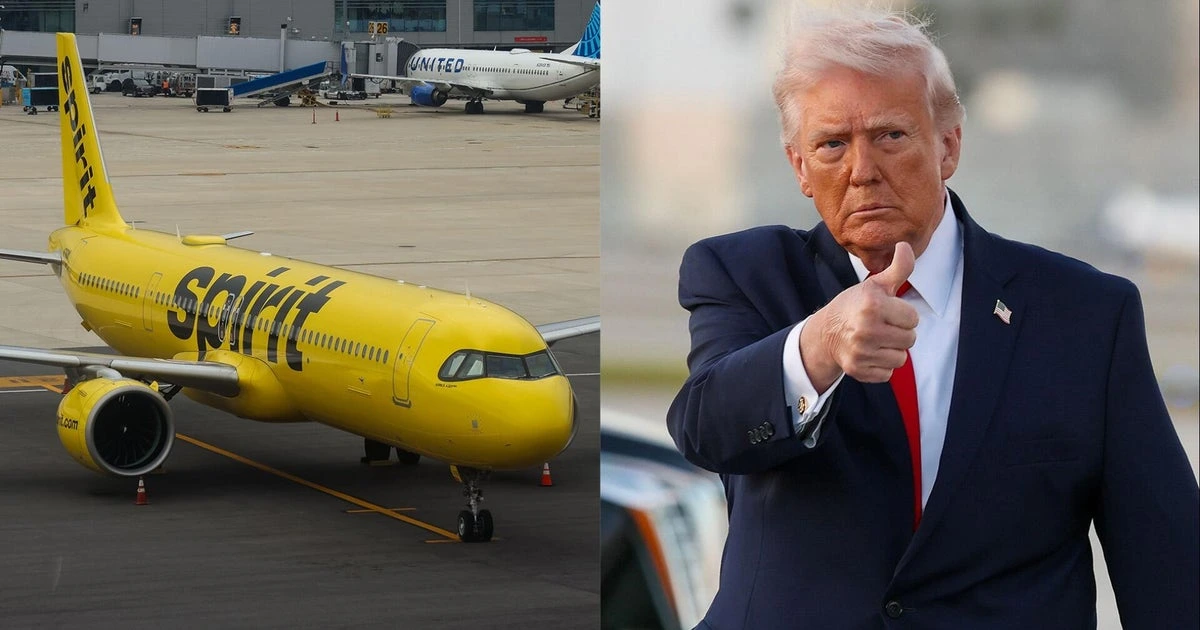
SUMMARY
- A $500 million federal package could determine survival of Spirit Airlines and protect up to 14,000 jobs.
- Collapse risks higher US airfare costs and reduced low cost competition nationwide.
- Final decision expected within 24 hours as talks between government and airline stall.
The urgency surrounding the Trump Spirit Airlines bailout reflects broader instability in the global aviation sector in March 2026, where rising fuel costs, debt burdens and post pandemic demand shifts continue to pressure budget carriers.
Spirit Airlines has faced mounting liquidity issues since late 2025 after failed merger attempts and tightening credit markets. Federal involvement escalated this month as bankruptcy risks intensified and labor unions pushed for intervention.
Sara Nelson warned that failure to secure the Trump Spirit Airlines bailout could cost consumers $1 billion annually due to reduced competition.
Meanwhile, Brian Pearce of the International Air Transport Association said in a recent briefing that low cost carriers remain “structurally vulnerable” to interest rate shocks and volatile demand cycles.
The administration’s hardline negotiation stance signals a shift toward conditional bailouts tied to financial restructuring rather than unconditional aid. Analysts note parallels with post 2008 aviation support frameworks.
John Bendoraitis said crews remain on duty with “no directive to halt operations.”
A Florida based flight attendant, Maria Lopez, said uncertainty is “affecting morale across every crew base.”
Aviation consultant Helane Becker noted the outcome will “reshape competitive pricing dynamics in US aviation.”
If approved, the Trump Spirit Airlines bailout could stabilize low cost travel capacity through late 2026 while forcing operational restructuring. A failure would likely trigger rapid liquidation proceedings and consolidation among remaining carriers.
The Trump Spirit Airlines bailout underscores growing government involvement in strategic industries as economic pressures test market resilience, with implications extending beyond US aviation into global competition and consumer pricing structures.
NOTE! This article was generated with the support of AI and compiled by professionals from multiple reliable sources, including official statements, press releases, and verified media coverage. For more information, please see our T&C.


