
KEY POINTS
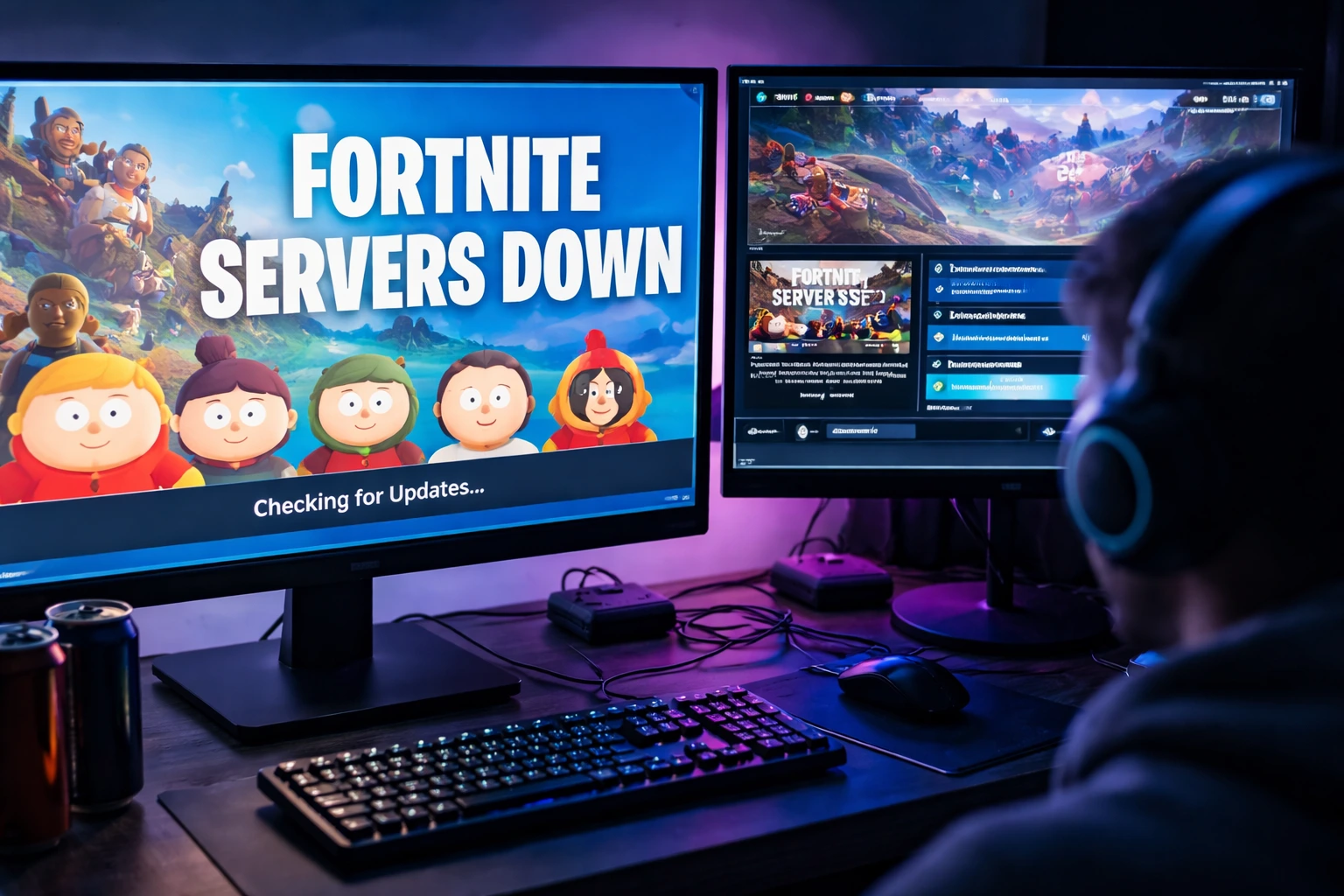
- Fortnite servers down for scheduled maintenance tied to the v39.20 rollout, according to Epic Game.
- Downtime windows typically last three to four hours based on past updates.
- The update introduces a major South Park crossover and structural changes to gameplay modes.
Fortnite servers are down worldwide on Jan. nine as Epic Games conducts scheduled maintenance to deploy its v39.20 update, temporarily halting matchmaking and live services across all platforms.
The downtime, announced in advance by Epic, is expected to last several hours as engineers complete deployment checks and synchronize content globally.
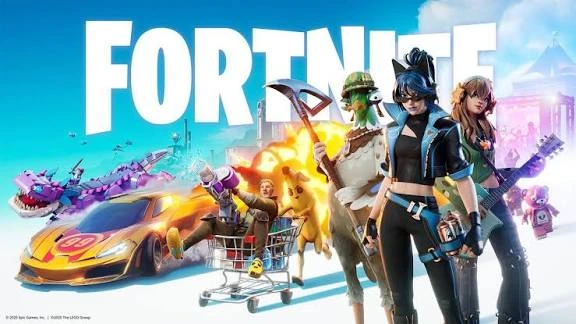
The temporary shutdown of Fortnite’s live services highlights the scale of the platform and the logistical challenges of maintaining a game with hundreds of millions of registered players.
When Fortnite servers go down, even briefly, the disruption extends beyond casual play, affecting esports scrimmages, creator economies and live service ecosystems built around the title.
Epic Games said the maintenance window runs from nine a.m. to eleven a.m. UTC, though the company has not provided a firm restoration time.
Previous large scale updates suggest the process could stretch into the early hours of the Americas as regional servers complete stability checks.
Since its launch in two thousand seventeen, Fortnite has evolved from a battle royale into a multi mode platform supporting concerts, brand collaborations and creator built experiences.
Regular downtime has become part of its operating rhythm, particularly for updates that introduce new mechanics or licensed content.
Major patches often require coordinated rollouts across data centers in North America, Europe and Asia.
According to industry infrastructure specialists, the process involves more than uploading new assets.
It includes database migrations, anti cheat recalibrations and platform compliance checks for console storefronts.
The v39.20 update follows a period of elevated player activity during the winter holiday season, when Fortnite traditionally sees spikes in daily active users.
Gaming infrastructure analysts say scheduled outages reflect the growing complexity of live service titles rather than technical failures.
“Modern games like Fortnite operate more like cloud platforms than traditional software,” said a senior analyst at a global games market research firm.
“Every update touches multiple systems, from matchmaking logic to payment services. Bringing everything down at once is often safer than risking partial failures.”
The South Park collaboration included in v39.20 adds further technical demands, requiring new character models, scripted events and a temporary mini pass economy.
Licensed content often requires additional approval steps from rights holders before it can go live.
| Update Version | Approximate Date | Announced Window | Actual Downtime | Major Features Introduced |
|---|---|---|---|---|
| v38.40 | December 2025 | 2 hours | about 3 hours | Winterfest finale content |
| v39.00 | November 2025 | 2 hours | nearly 4 hours | New ranked overhaul |
| v39.20 | Jan. 9, 2026 | 2 hours | 2 hours | South Park crossover |
Source: Epic Games service notices and historical patch data
Players across social platforms reported being locked out of matchmaking shortly after the maintenance window began.
“I plan my streams around these updates, but the uncertainty makes it hard,” said a European content creator who relies on Fortnite for daily broadcasts.
“Even a one hour delay can affect sponsorship schedules.” An esports team manager in North America said the downtime forced last minute practice cancellations.
“We had to shift scrims to another title for the day,” he said. “It’s not a complaint, but it shows how deeply Fortnite is woven into competitive routines.”
Epic Games said in a status update that access will restore automatically once deployment and validation checks are complete.
What’s Unavailable During Maintenance
While Fortnite servers remain down, Matchmaking is disabled, All core and limited time modes are inaccessible.
Live service logins are blocked, In game stores and event progress are paused.
Progress and purchases are expected to sync normally once servers reopen.
Epic Games has not announced changes to its maintenance policy, but the company has gradually shortened downtime windows over the past two years by shifting more services to cloud based deployment pipelines.
Industry observers say future updates could rely on rolling regional restarts rather than full global outages, though that approach carries risks of cross region desynchronization.
For now, players are advised to monitor official Fortnite status channels for real time updates on server restoration.
The v39.20 rollout underscores how Fortnite’s evolution into a global platform has made scheduled outages more consequential than ever.
When Fortnite servers are down, the impact extends beyond gameplay, touching creators, competitive teams and digital marketplaces that rely on the game’s continuous availability.
As Epic Games continues to expand the title’s scope, how it manages downtime will remain a key test of its live-service infrastructure.
Author’s Perspective
In my analysis, Fortnite’s recurring scheduled downtimes reflect its evolution into a cloud based entertainment platform rather than a traditional game.
Where infrastructure stability and content orchestration now drive user experience.
I predict that near zero downtime patching will become an industry standard, as publishers adopt rolling updates to protect creator revenue and competitive continuity.
For everyday players and streamers, this shift will mean fewer disruptions but higher reliance on platform uptime.
Track official status APIs and update cadence patterns to plan playtime, streams and content drops more strategically.
NOTE! This report was compiled from multiple reliable sources, including official statements, press releases, and verified media coverage.


