
SUMMARY
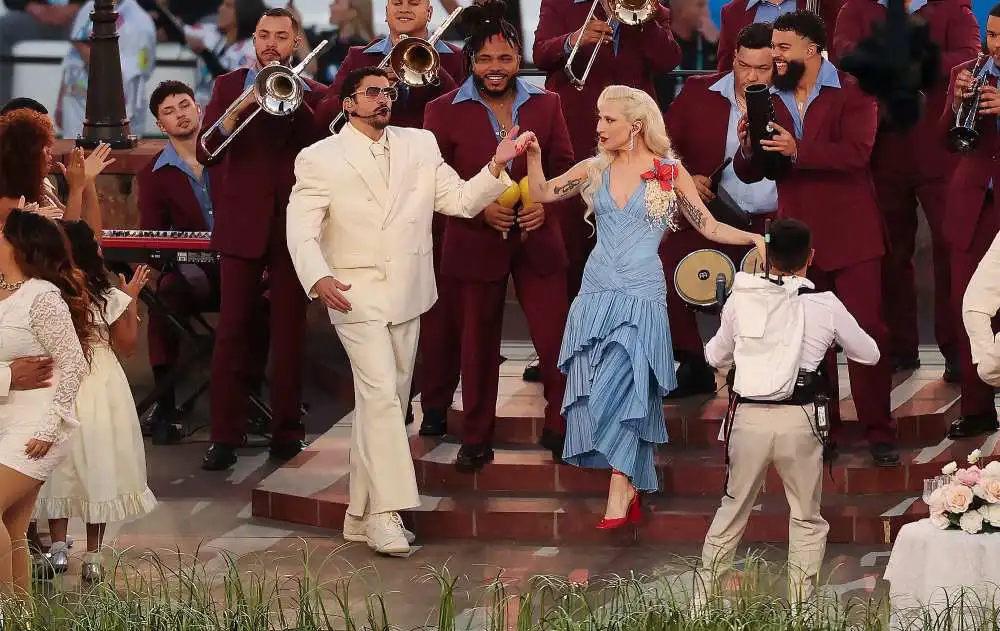
- Bad Bunny incorporated multiple surprise celebrity appearances, including Lady Gaga, Ricky Martin, and Jessica Alba, enhancing the visual and musical spectacle.
- The halftime show highlighted Puerto Rican culture through music, dance, and symbolic imagery, including traditional cane harvesting and domino games.
- Controversy arose on social media as influencer Jake Paul criticized the performance on X, calling Bunny a “fake American,” prompting debate about cultural representation in sports entertainment.
SAN FRANCISCO — Bad Bunny delivered a high energy, culturally rich Super Bowl LX halftime show at Levi’s Stadium in Santa Clara, California, featuring surprise cameos from Lady Gaga, Ricky Martin, Jessica Alba, Cardi B, and Pedro Pascal.
The Puerto Rican artist showcased an elaborate performance celebrating his heritage, blending music, dance, and theatrical storytelling for the Seattle Seahawks and New England Patriots audience.
The 31 year old Puerto Rican artist used the NFL’s premier entertainment platform to deliver a performance that mixed music, narrative, and social commentary.
With American football in hand, Bunny navigated staged environments representing everyday Puerto Rican life, including cane fields, nail salons, and a lively wedding scene.
Celebrity cameos punctuated the performance, providing unexpected highlights for fans both in the stadium and watching globally.
Super Bowl halftime shows have historically merged music, celebrity, and spectacle to create cultural moments with international reach. Previous performers, including Beyoncé, Shakira, and The Weeknd, have incorporated social or cultural themes, reflecting broader societal conversations.
Bad Bunny’s performance follows a trend of Latin artists gaining prominence in US sports entertainment, underscoring the growing influence of Latin music in mainstream American culture.
Cultural analyst Dr. Marisol Vega of the University of Puerto Rico said, “Bad Bunny’s show represents a new era in halftime performances where artists assert identity and heritage on a global stage.
Incorporating icons like Gaga and Martin bridges mainstream US audiences with Latin cultural expressions.”
Entertainment industry veteran Leonard Harris, former director of NBC Sports Entertainment, noted, “Celebrity cameos increase viewership engagement and social media traction.
This halftime show is designed for virality while celebrating cultural narratives.” The performance also raised conversations about national identity and cultural representation.
Jake Paul’s social media critique exemplifies the polarized reactions such events can provoke, reflecting broader debates about inclusion and authenticity in US popular culture.
Jessica Alba, in a brief interview backstage, said, “Performing alongside Bad Bunny was thrilling. It’s exciting to celebrate Latin culture on such a massive platform.”
Ricky Martin added, “Being part of this show allows us to showcase our heritage and the diversity of Latin music to millions around the world.”
Fan attendee Miguel Rosario told AP, “The show was unlike anything I’ve seen. From the cultural references to the energy of the performances, it felt authentic and powerful.”
Industry experts anticipate that the success of Bad Bunny’s halftime show could influence future Super Bowl entertainment, encouraging organizers to include more diverse cultural representations.
The strong integration of Latin music and celebrity appearances is likely to set a benchmark for production value, audience engagement, and international media attention.
Bad Bunny’s Super Bowl LX halftime show demonstrated the evolving nature of global sports entertainment, merging music, culture, and celebrity in a high-profile American event.
By emphasizing Puerto Rican heritage and collaborating with internationally recognized artists, the performance marked a milestone in the intersection of sports, music, and cultural representation, highlighting the ongoing globalization of the NFL’s most-watched spectacle.
NOTE! This article was generated with the support of AI and compiled by professionals from multiple reliable sources, including official statements, press releases, and verified media coverage. For more information, please see our T&C.


