

KEY POINTS
- National disruption: Verizon users reported losing connectivity on both calls and data, with many phones showing only “SOS” or no signal.
- Emergency notifications issued: Municipal alert systems in Washington and New York City instructed residents to use other carriers or landlines for emergencies.
- Network reliability concerns: The outage highlights vulnerabilities in critical communications infrastructure that support public safety and daily operations.
WASHINGTON/NASHVILLE, Tenn. — Verizon Wireless experienced a widespread service outage on Wednesday, affecting both voice and data connections for customers across the United States.
The disruption prompted emergency alert systems in Washington, DC, and New York City to advise residents to use alternative means of communication.
Verizon, the country’s largest wireless carrier with more than 146 million subscribers, confirmed that engineers were investigating the outage and working to restore service.
The company said it began experiencing problems around noon Eastern Time but did not specify a cause or expected timeline for full recovery.
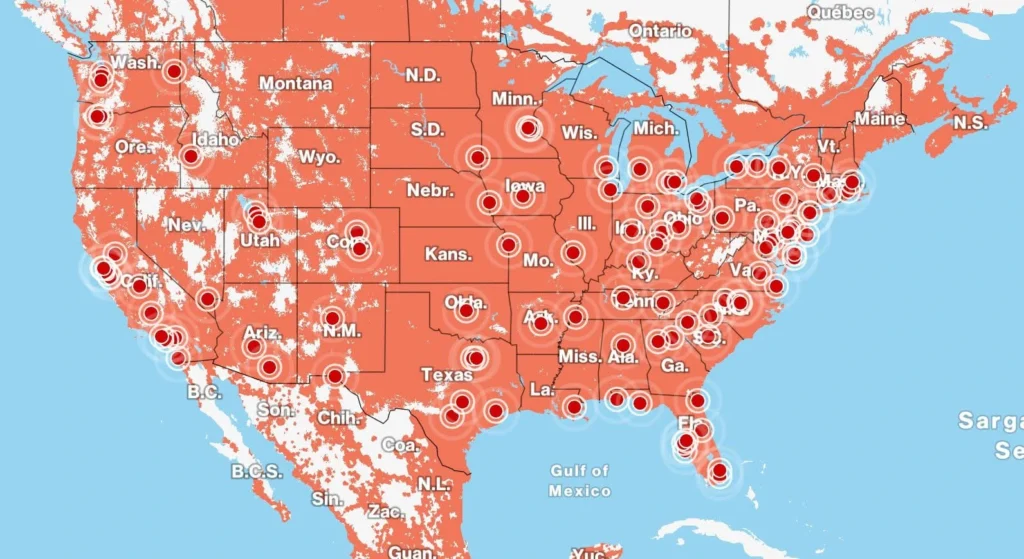
The outage affected a broad swath of the country, with reports coming from major cities including New York, Philadelphia, Miami, and Chicago.
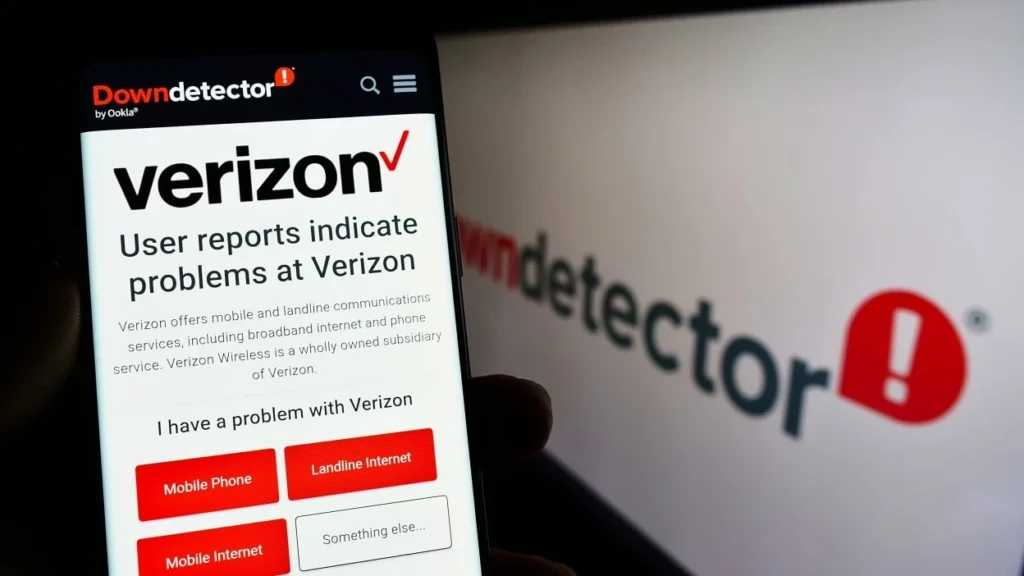
Social media and outage monitoring platforms showed thousands of users unable to connect via Verizon services.
Phones displayed “SOS only” status, allowing emergency calls but blocking standard communications.
Washington’s AlertDC system sent a message to residents warning that Verizon users might not be able to reach emergency services.
And New York City’s Office of Emergency Management said it was monitoring the situation and coordinating with local partners to assess impacts on essential services.
Large scale disruptions like this are uncommon for Verizon but not unprecedented.
Previous outages in 2024 and 2025 affected tens of thousands of customers, raising questions about network resilience.
Mobile networks are critical for both personal and institutional communications, including hospitals, emergency services, and transportation systems.
Telecommunications infrastructure typically includes redundant systems designed to prevent widespread failures.
However, incidents of this scale show that even robust networks can experience disruptions that affect millions of users simultaneously.
Telecom analysts said such outages often originate from core network software or signaling failures rather than isolated cell towers.
A regional telecommunications consultant noted, “Even the largest carriers face challenges when a central system goes down. Backup and alternative communication channels remain essential.”
The outage also underscores the reliance of municipal emergency systems on cellular networks.
An administrator at a New York hospital reported that internal Wi-Fi calling mitigated some communication issues, but staff still faced difficulties reaching external contacts.
Verizon engineers are continuing to restore service, but details about the cause remain limited.
Regulators may review the incident to ensure compliance with reliability standards, and telecommunications experts suggest strengthening redundancy measures to prevent future disruptions.
The outage illustrates the growing importance of mobile networks in daily life and public safety.
Even temporary interruptions can have cascading effects on communications, emergency response, and economic activity, highlighting the need for resilient infrastructure and contingency planning.
Author’s Perspective
In my analysis, the Verizon wireless outage highlights systemic vulnerabilities in national telecom infrastructure amid growing digital dependence.
I predict stricter FCC reliability mandates for carriers. Consumers and small businesses must diversify communication channels. Monitor carrier status dashboards for proactive connectivity management.
NOTE! This report was compiled from multiple reliable sources, including official statements, press releases, and verified media coverage.


