
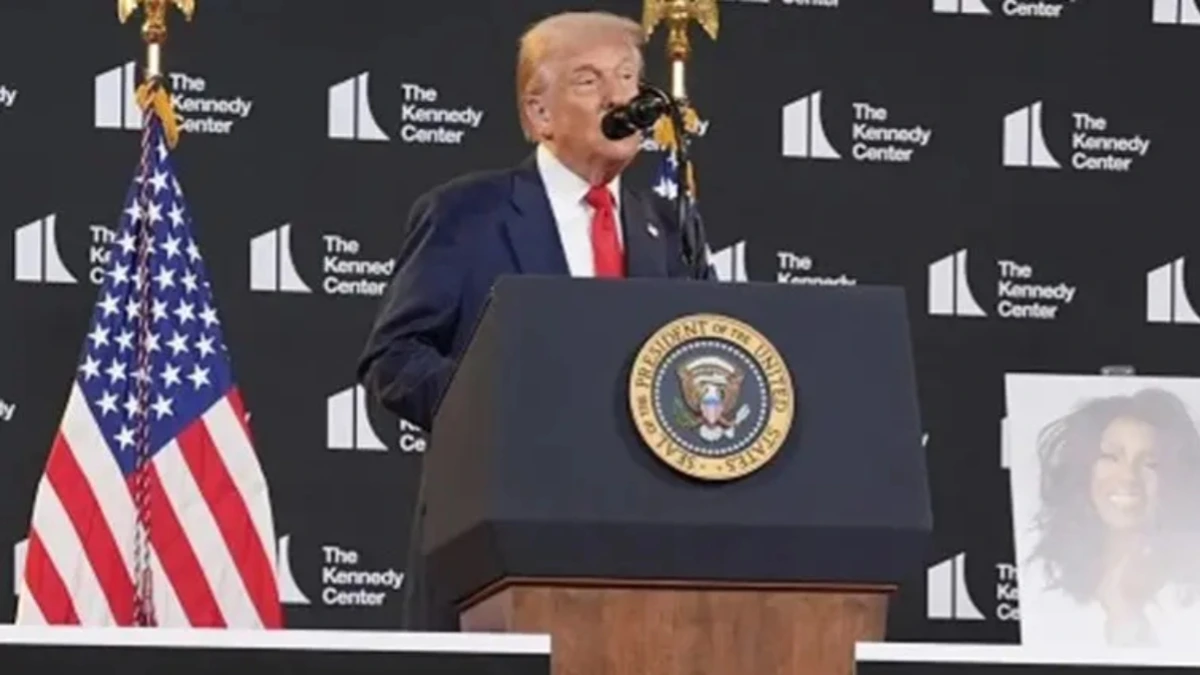
Washington — President Donald Trump addressed the nation Wednesday night, emphasizing economic achievements, military support, and domestic policy initiatives, while labeling the United States as the “hottest country in the world.”
Trump credited his administration with improving the economy, curbing the influx of illegal drugs, and supporting US service members, while attributing many of the nation’s current challenges to the policies of his predecessor, President Joe Biden.
“Here at home, we’re bringing our economy back from the brink of ruin,” Trump said. “The last administration and their allies in Congress looted our treasury for trillions of dollars, driving up prices and everything at levels never seen before.
I am bringing those high prices down and bringing them down very fast.” Trump’s remarks follow a year marked by a series of policy rollouts, including a massive tax and domestic policy bill signed into law in July.
The legislation permanently codified individual and business tax breaks originally enacted under Trump’s 2017 Tax Cuts and Jobs Act and introduced new provisions to reduce duties on tips and overtime pay.
“Next year, you will also see the results of the largest tax cuts in American history that were really accomplished through our great, big, beautiful bill, perhaps the most sweeping legislation ever passed in Congress,” Trump said.
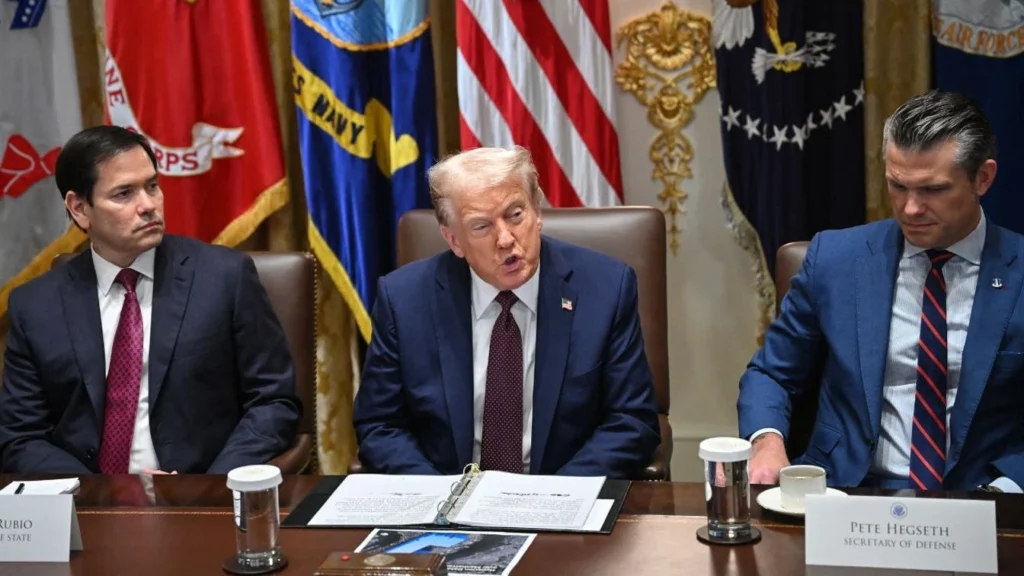
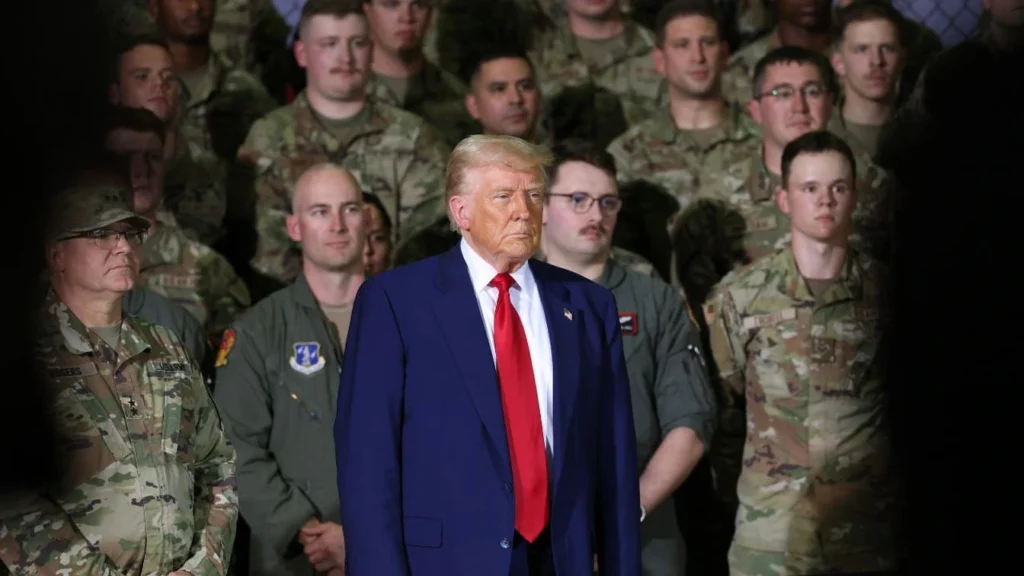
In addition, Trump highlighted military funding and recruitment, announcing the distribution of a “Warrior Dividend” that will send $1,776 to every service member in honor of the nation’s founding in 1776.
“Every soldier will receive $1,776. Think of that,” Trump said. “And the checks are already on the way.” Economists and policy analysts offered mixed reactions to Trump’s claims.
Dr. Lisa Moreno, a professor of economics at Georgetown University, noted that while inflation has shown modest declines in recent months, broader economic indicators remain uneven.
“Consumer prices have eased slightly, but wages have not fully kept pace with living costs,” Moreno said. “Tax cuts can stimulate certain sectors, but their long-term impact depends on implementation and the overall fiscal environment.”
Former Treasury official David Sinclair emphasized that military bonuses, while symbolic, represent a limited fiscal stimulus relative to the broader economic landscape.
“It’s a morale booster for troops, but the broader economy is influenced by multiple factors, including interest rates, trade, and energy prices,” Sinclair said.
A recent Fox News national survey conducted in November found that 76 percent of voters view the economy negatively, up from 67 percent in July.
This reflects skepticism among Americans despite Trump’s assertions that the economy is thriving.
Data from the US Bureau of Labor Statistics indicates modest job growth across several sectors, including manufacturing and technology, while inflation remains above pre pandemic levels for key consumer goods.
In Washington, residents offered varied reactions to Trump’s address. Maria Gonzalez, a small business owner, said the tax provisions had a tangible impact on her operations.
“The new deductions helped cover payroll and supplies. That definitely eases some pressure,” she said. Conversely, James Holloway, a public school teacher, expressed concern over rising costs.
“I see some relief in taxes, but daily expenses are still high. It doesn’t feel like the economy is booming in my household,” he said.
Military personnel in Florida welcomed the announcement of the Warrior Dividend. Sergeant Jason Kim said, “Any support is appreciated. It shows the administration is thinking about service members, especially around the holidays.”
Trump indicated plans to continue leveraging tax policy and domestic spending to sustain economic growth while promoting the US as a global leader.
He also highlighted the upcoming hosting of major international events, including the World Cup and the Olympics, alongside preparations for the nation’s 250th Independence Day anniversary.
Political analysts note that public perception of economic performance may influence voter behavior in upcoming elections.
“Policy measures alone may not shift sentiment immediately. Public confidence will depend on tangible improvements in living standards and affordability,” said Moreno.
Trump’s address highlighted ongoing efforts to stimulate the economy, support the military, and implement domestic policies.
While administration officials stress progress, public opinion and survey data indicate that Americans remain cautious about the pace of recovery.
Economic indicators suggest gradual improvements, but challenges persist as policymakers navigate inflation, taxation, and national priorities.


