
SUMMARY
- Immediate flight cancellations leave thousands of passengers stranded across the United States, Latin America and Caribbean routes.
- Low cost airline capacity gap expected to push short term fares higher on key domestic leisure routes.
- Bankruptcy failures highlight structural weakness in ultra low cost carrier business models post pandemic.
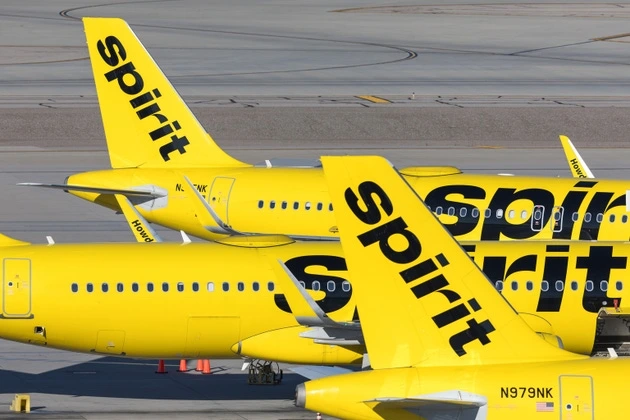
The abrupt shutdown of Spirit Airlines marks a critical disruption in global aviation recovery trends in March 2026.
As carriers recalibrate post pandemic demand and cost structures, the collapse underscores vulnerabilities in budget airline economics, particularly in price sensitive leisure markets.
Spirit’s decline accelerated after its second Chapter eleven bankruptcy filing in August 2025, following an earlier restructuring in November 2024.
A blocked merger with Frontier Airlines in March 2024 removed a key survival pathway. By late 2025, declining passenger demand and rising operational costs strained liquidity.
Efforts to secure a $500 million federal backed bailout failed amid resistance from bondholders and policymakers, culminating in the Spirit Airlines shutdown announcement.
Peter McNally, global sector lead for industrials at Third Bridge, said the airline’s ultra low cost model struggled against shifting consumer expectations.
“Passengers are trading up for reliability and bundled services, eroding the price advantage that defined Spirit,” he said.
William McGee, senior fellow for aviation at the American Economic Liberties Project, noted regulatory factors also played a role.
“The blocked consolidation with Frontier limited scale efficiencies that are now essential for survival in a high cost environment,” McGee said. The Spirit Airlines shutdown also reflects broader economic pressure.
Data from the US Bureau of Transportation Statistics shows domestic capacity increased eight percent year over year in 2025, intensifying competition and compressing margins. Meanwhile, fuel price volatility and labor costs continued to rise.
Maria Lopez, a flight attendant based in Fort Lauderdale, described the shutdown as sudden. “We were expecting restructuring, not a complete stop. Crews are now scrambling for employment,” she said.
James Carter, an Orlando based frequent flyer, highlighted passenger impact. “Budget options are disappearing. This will hit families who rely on low fares,” he said.
Broward County Commissioner Lamar Fisher said local economic effects would be immediate. “Thousands of aviation linked jobs in South Florida face uncertainty after the Spirit Airlines shutdown,” he stated.
Over the next six to twelve months, industry analysts expect fare increases on short haul leisure routes previously dominated by Spirit.
Surviving ultra low cost carriers may capture displaced demand but face similar cost pressures. Consolidation attempts could resurface as airlines seek scale advantages. Regulators may reassess merger policies amid concerns over reduced competition.
The Spirit Airlines shutdown signals a structural inflection point for budget aviation, where cost discipline alone no longer guarantees sustainability in a volatile demand environment shaped by shifting consumer expectations and tightening financial conditions.
NOTE! This article was generated with the support of AI and compiled by professionals from multiple reliable sources, including official statements, press releases, and verified media coverage. For more information, please see our T&C.


