
KEY POINTS
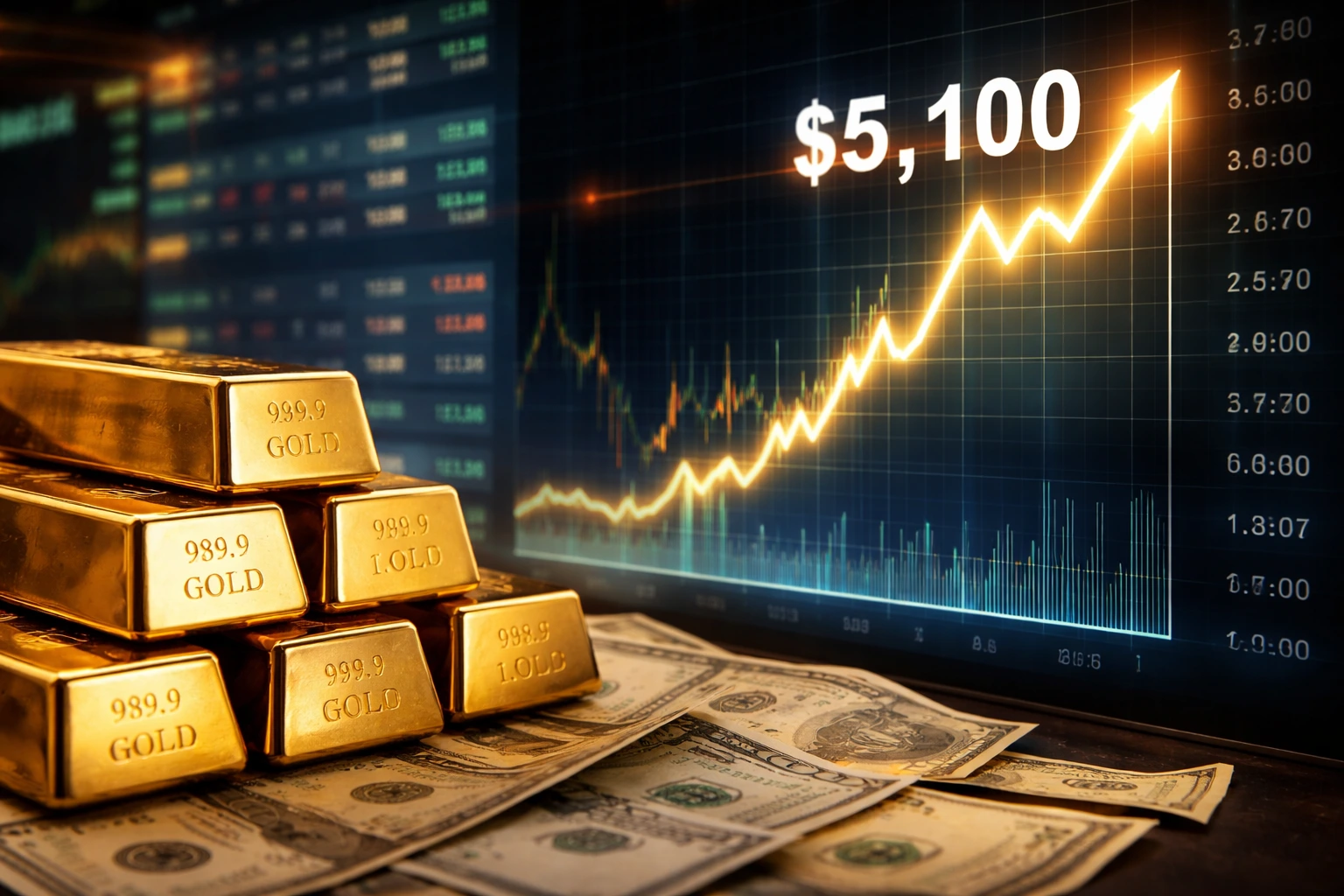
- Gold prices reached a record above $5,100 an ounce amid global uncertainty.
- Safe haven demand accelerated as trade conflicts and currency moves intensified.
- Central bank buying and a weaker dollar continued to support the rally in gold prices.
Gold prices surged past $5,100 an ounce for the first time on Monday, extending a historic rally as investors worldwide sought safety amid escalating geopolitical tensions, trade disruptions and currency volatility ahead of key central bank decisions.
The latest jump in gold prices underscores the metal’s renewed role as a global hedge against political and economic instability.
Spot gold rose more than two percent to $5,089.78 an ounce by early Monday trading, after touching an intraday high of $5,110.50, according to LSEG data. US gold futures for February delivery climbed to $5,086.30.
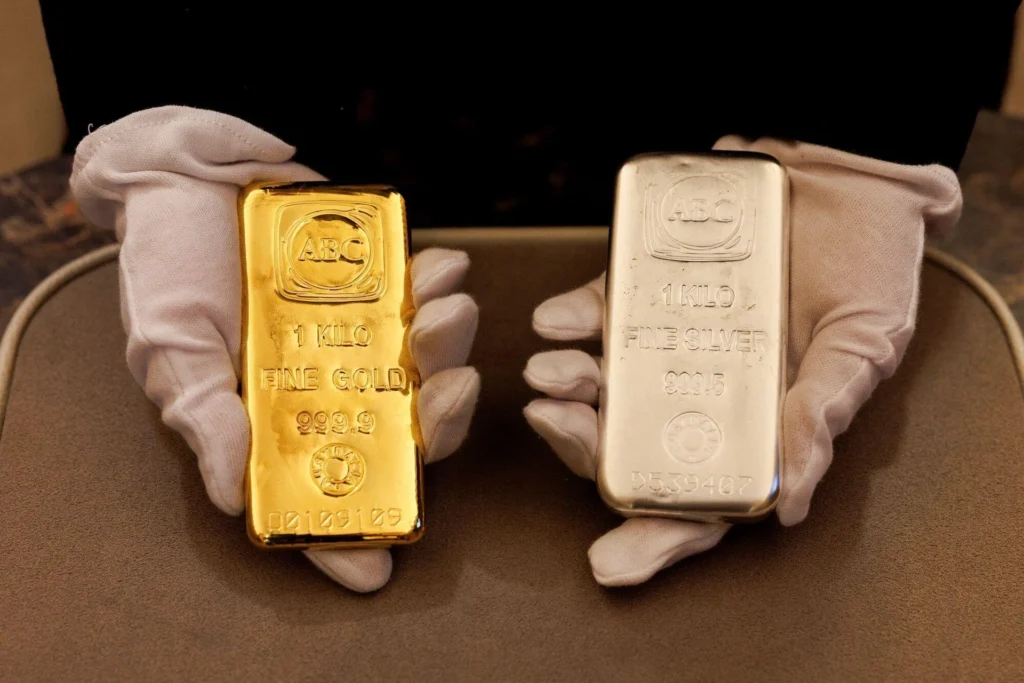
The rally marks an extraordinary run for gold prices, which climbed sixty four percent in 2025, the strongest annual performance since 1979.
Demand has been driven by easing US monetary policy, sustained central bank purchases and heightened investor anxiety.
The People’s Bank of China extended its buying streak to a fourteenth consecutive month in December, reinforcing official sector support for bullion.
Gold prices have also benefited from record inflows into exchange traded funds and a sharp weakening of the US dollar.
On Monday, the yen strengthened against the dollar, raising expectations of possible Japanese intervention and prompting investors to trim dollar positions ahead of the Federal Reserve’s policy meeting this week.
“Gold prices are responding to a rare convergence of geopolitical risk, trade fragmentation and currency instability,” said Bart Melek, head of commodity strategy at TD Securities.
“When investors question the reliability of trade and financial systems, gold becomes a neutral store of value.”
Trade tensions have intensified since US President Donald Trump expanded tariffs on both rivals and allies, in some cases reaching fifty percent.
According to Chad Bown, senior fellow at the Peterson Institute for International Economics, the scope of current tariffs represents “the most disruptive trade shock since the prewar era, with direct consequences for costs, growth and confidence.”
| Indicator | Current Level | Previous Reference |
|---|---|---|
| Spot gold price | $5,110.50 | $3,110 start of 2025 |
| Annual gold gain | 64 percent | Highest since 1979 |
| Silver price | Above $100 | $40 end of 2024 |
| China gold buying | 14 months | Began |
“Central banks are signaling a long term shift away from dollar concentration,” said Juan Carlos Artigas, global head of research at the World Gold Council. “That structural demand is unlikely to reverse quickly.”
Meanwhile, silver prices climbed above $100 an ounce last week, supported by tight physical supplies and retail investor flows.
“The spillover into silver shows how broad based the precious metals trade has become,” said Ole Hansen, head of commodity strategy at Saxo Bank.
Markets remain focused on central bank signals, currency movements and the trajectory of global trade policy.
Any escalation in tariffs or geopolitical disputes could further influence gold prices, while shifts in interest rate expectations may affect investor positioning.
As trade conflicts, currency volatility and geopolitical uncertainty persist, gold prices continue to reflect deeper structural changes in the global financial system, reinforcing the metal’s role as a barometer of economic stress.
FAQs
Why did gold prices cross $5,100 per ounce?
Gold rose on strong safe haven demand driven by geopolitical tensions and global trade disruptions.
Can gold prices go higher from here?
Prices may remain elevated if central bank buying and global uncertainty continue.
How do rising gold prices affect everyday people?
Higher gold prices signal inflation and currency pressure, impacting savings and purchasing power.
Why are silver prices also hitting record highs?
Tight physical supply and increased retail investor demand have pushed silver prices sharply higher.
Author’s perspective
In my analysis, gold’s surge reflects a structural repricing of risk as trade weaponization and de-dollarization accelerate.
I predict central banks will formalize higher gold reserve targets, reshaping FX markets. For households and SMEs, this erodes purchasing power buffers.
NOTE! This report was compiled from multiple reliable sources, including official statements, press releases, and verified media coverage.


