
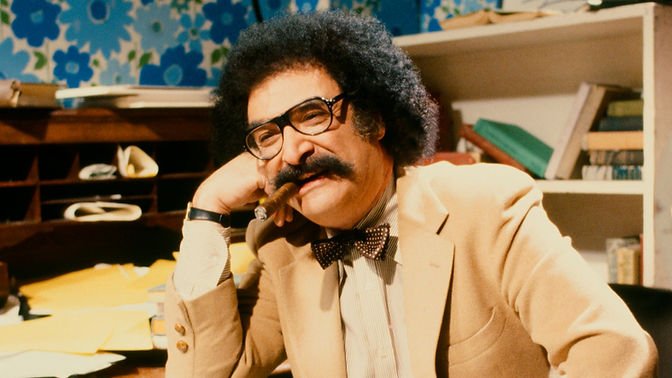
Gene Shalit, the longtime NBC film critic and television personality, died at age 100 in the United States on Friday, ending a broadcasting career that influenced entertainment journalism for decades.
The death of Gene Shalit marks the end of a distinctive era in American media. As legacy broadcasters compete with digital creators in March 2026.
His career offers insight into how personality driven journalism built audience trust long before social media transformed entertainment reporting.
Gene Shalit began as a magazine critic before joining NBC’s Today show during the 1970s. Through the following decades, he became recognizable for his humor, celebrity interviews and consumer focused film reviews.
His retirement in 2010 coincided with the rapid growth of online entertainment commentary and streaming-era criticism.
According to Brian Stelter, media personalities such as Shalit helped establish direct relationships between audiences and news brands.
Tom Rosenstiel, co-author of multiple studies on media credibility, has argued that recognizable journalistic voices strengthened viewer loyalty during television’s peak influence.
The passing of Gene Shalit also highlights a broader industry shift. Traditional critics once shaped box office performance.
Today, audience reviews, influencers and algorithm driven recommendations increasingly influence consumer behavior. The transition reflects economic changes across entertainment, advertising and news distribution.
NBC News said Shalit’s family described him as having lived “an amazing life” and credited the Today show as a defining chapter of his career.
Former colleagues remembered Gene Shalit for combining humor with rigorous preparation, a rare blend in entertainment journalism.
Over the next six to 12 months, broadcasters are expected to revisit archival interviews and reassess the role of personality led journalism.
Media schools may increasingly reference Gene Shalit when examining audience trust and television-era storytelling.
The career of Gene Shalit illustrates how broadcast journalism helped shape public engagement with film, culture and celebrity news.
His influence remains visible across contemporary entertainment media, from television programs to digital creator platforms.
NOTE! This article was generated with the support of AI and compiled by professionals from multiple reliable sources, including official statements, press releases, and verified media coverage. For more information, please see our T&C.


