
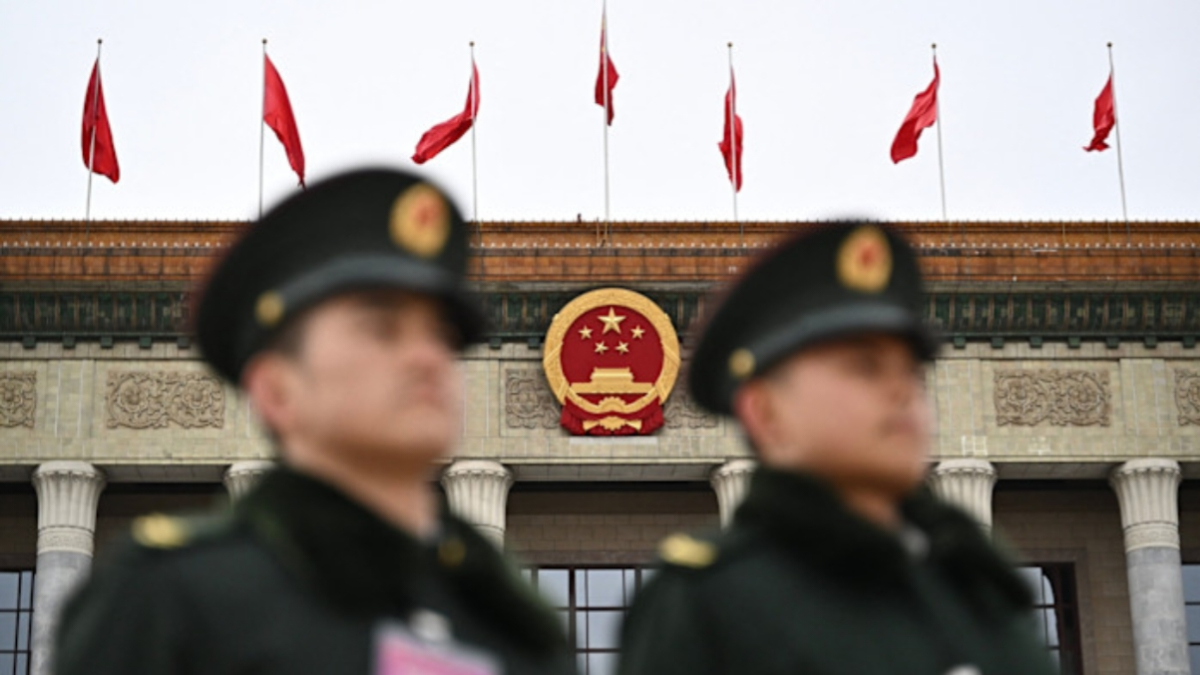
China’s military launched large scale joint drills around Taiwan on Monday, dispatching air, naval and rocket forces in what Beijing described as a stern warning against separatist activity and external interference.
The exercises prompted Taiwan to place its armed forces on high alert, underscoring the fragility of security in the Taiwan Strait as tensions deepen between China, the United States and Japan.
The Chinese military drills around Taiwan followed renewed anger in Beijing over recent US arms sales to the island and comments from Japan signaling possible involvement should conflict erupt.
China and Taiwan have been governed separately since the end of a civil war in nineteen forty nine, when Communist forces took control of the mainland and Nationalist troops retreated to the island.
Beijing claims Taiwan as part of its territory and has not ruled out the use of force to assert control. Taiwan, a self governing democracy of about twenty three million people, rejects Beijing’s sovereignty claim.
The Chinese military drills around Taiwan were announced by the People’s Liberation Army’s Eastern Theater Command, which said the operations covered areas north, south, east and west of the island, including the Taiwan Strait.
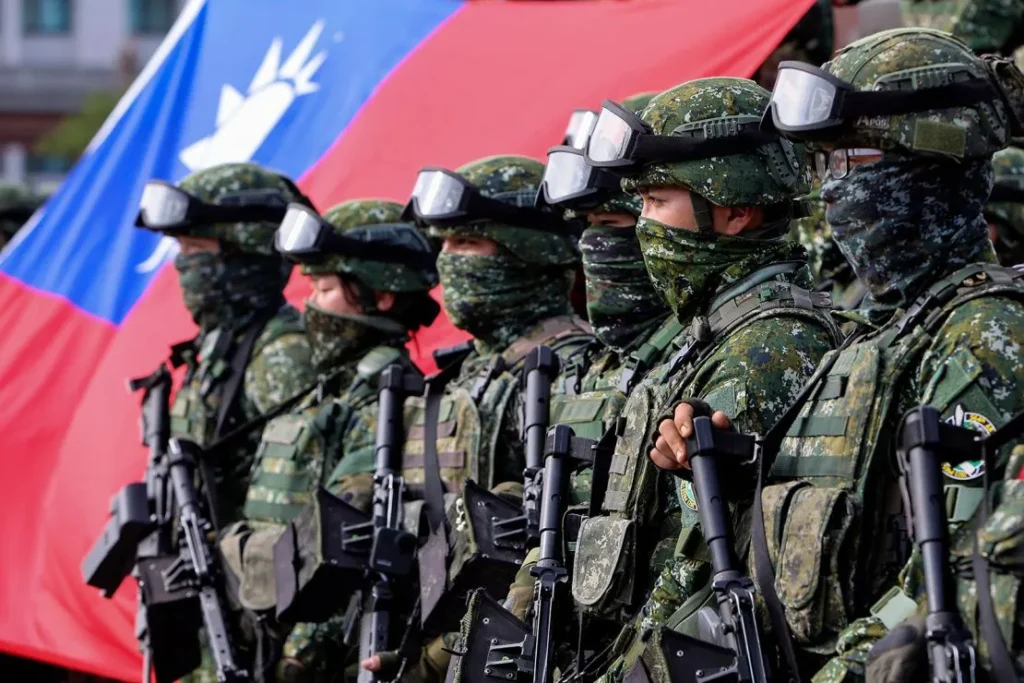
The drills emphasized sea and air combat readiness, joint blockade operations and what the command described as “all dimensional deterrence.”
Taiwan’s Defense Ministry said it had launched rapid response exercises and deployed appropriate forces, calling China “the biggest destroyer of peace” in the region.
Regional security analysts said the Chinese military drills around Taiwan reflect Beijing’s growing willingness to use military pressure as a political signal.
“China is demonstrating both capability and intent,” said Dr. Michael Lin, a Taipei based defense analyst. “These drills are designed to normalize a higher level of military presence around Taiwan and to deter what Beijing views as external support for the island.”
Others noted that the timing was significant. “The exercises come on the heels of major US arms announcements and increasingly blunt rhetoric from Japan,” said Keiko Matsuda, a security expert at a Tokyo policy institute.
“Beijing wants to remind all parties that Taiwan remains its core red line.” China has steadily expanded the scale of its military activity near Taiwan in recent years.
Taiwan’s Defense Ministry regularly reports dozens of Chinese aircraft and several naval vessels operating near the island on a near daily basis.
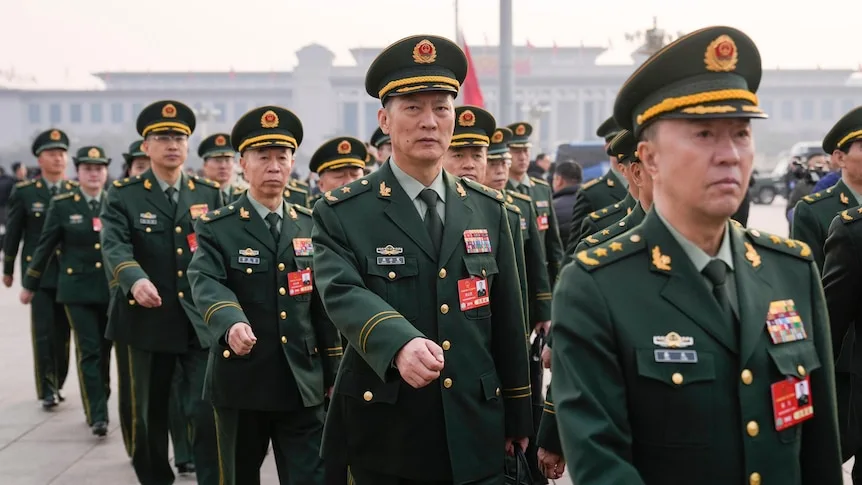
According to Taiwanese government data, incursions by Chinese military aircraft into Taiwan’s air defense identification zone have increased severalfold over the past five years.
The current Chinese military drills around Taiwan are among the first to openly emphasize long range rocket coordination and simulated blockades of key ports, a scenario that defense planners say could disrupt global shipping routes through one of the world’s busiest waterways.
In Taipei, residents expressed concern but also a sense of familiarity with such developments. “We hear about drills all the time now,” said Chen Wei-lun, a thirty four year old office worker. “It’s stressful, but people still go to work and live their lives.”
Across the strait in China’s coastal Fujian province, some residents said the exercises felt distant. “This is about politics at a high level,” said Li Jun, a shop owner in Xiamen. “Ordinary people just hope there will be no war.”
Officials in Taiwan’s presidential office said the drills undermined regional stability. Beijing, however, defended the operations as lawful and necessary to safeguard sovereignty.
The Chinese military drills around Taiwan are expected to continue through Tuesday, with live fire exercises scheduled across five designated areas. Military observers said further drills could follow, especially if diplomatic tensions remain unresolved.
The United States, which is obligated under its domestic law to assist Taiwan’s defense, has not announced any immediate military response but continues to monitor the situation closely.
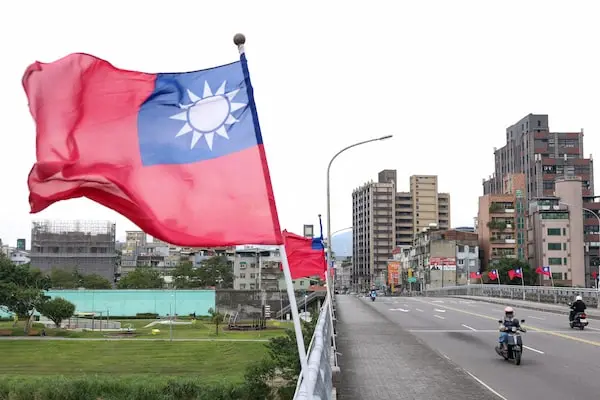
Japan, increasingly vocal about Taiwan’s security, has warned that instability in the strait would have direct consequences for the region.
Analysts said the risk of miscalculation remains a central concern. “With so many forces operating in close proximity, the margin for error is small,” said Lin. “That is what worries policymakers most.”
The latest Chinese military drills around Taiwan highlight the increasingly complex and volatile security environment in East Asia.
While Beijing frames the exercises as deterrence, Taiwan and its partners view them as destabilizing.
As military activity intensifies, the Taiwan Strait remains a focal point where strategic competition, historical grievances and regional security concerns continue to intersect.


