
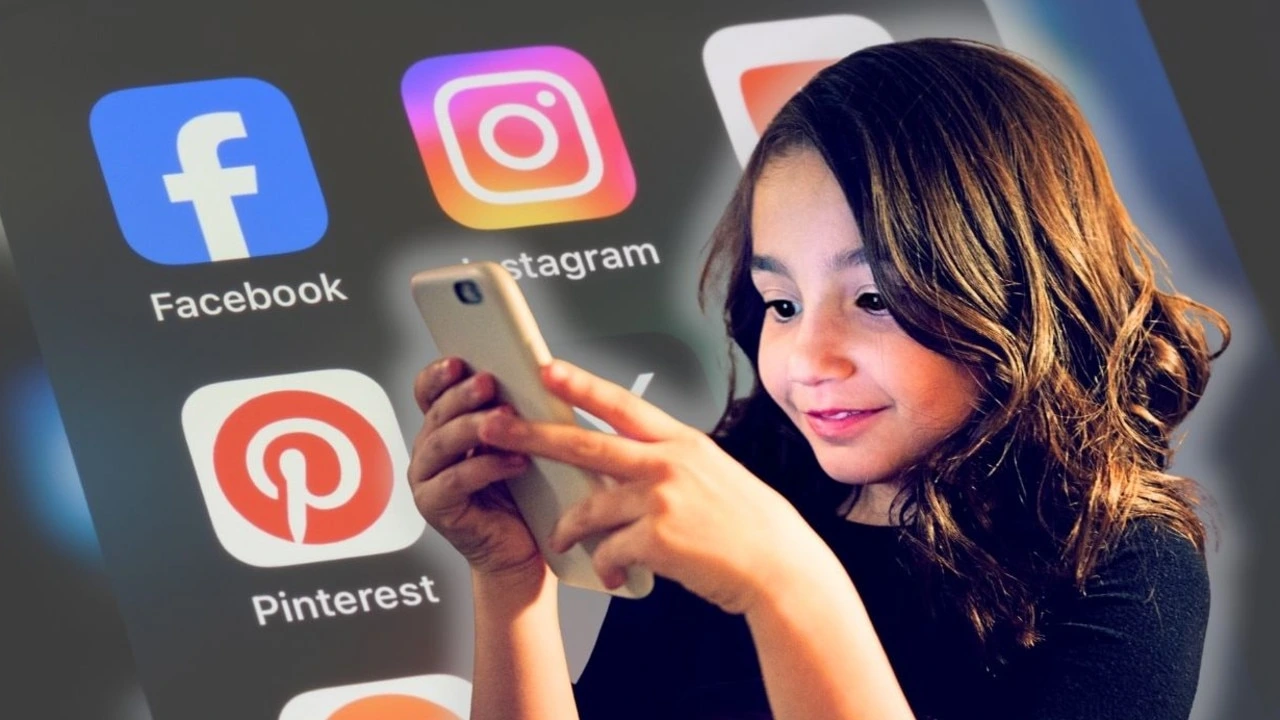
SYDNEY — Hundreds of thousands of Australian teenagers woke Wednesday to find their social media accounts deactivated or inaccessible, as a new national law barring anyone under 16 from major platforms came into force.
The legislation, aimed at protecting children from potential harms linked to online engagement, marks one of the world’s strictest government interventions in social media.
The law, passed in 2024, requires technology companies including Facebook, Instagram, TikTok, Snapchat, Reddit, YouTube, Threads, Twitch, X and Kick to identify and disable accounts belonging to Australian users younger than 16.
Failure to comply could result in fines of up to 49.5 million Australian dollars, roughly $33 million. Prime Minister Anthony Albanese framed the measure as a necessary step to protect young people.
“It is one of the biggest social and cultural changes that our nation has faced,” he said in Sydney. “It’s a profound reform which will continue to reverberate around the world in coming months, to assist not just this generation, but generations to come.”
The rollout followed months of debate over privacy, civil rights, and the technical feasibility of enforcing age restrictions.
Some companies began deactivating underage accounts in the days leading up to the law, while others voiced concerns over the government’s classification of social media services and the risk that children may migrate to less regulated online spaces.
Experts say the Australian law represents a notable departure from global norms, where most countries rely on parental oversight or voluntary age verification by companies rather than enforceable national regulations.
Dr. Eleanor Cheng, a child psychologist at the University of Sydney, said limiting access could reduce exposure to harmful content.
“Platforms are designed to be highly engaging and can affect developing brains in ways we are only beginning to understand,” she said.
“Regulation of this scale may help children develop offline social skills and a healthier relationship with technology.”
However, some analysts caution that enforcement may be imperfect. “Age verification online is notoriously tricky,” said Ravi Patel, a cybersecurity consultant in Melbourne.
“Some teenagers may circumvent restrictions, and companies will need to invest heavily in verification systems to avoid substantial fines.”
Australia’s initiative has drawn international attention. Denmark and Malaysia have announced plans to implement similar age based social media restrictions.
Communications Minister Anika Wells said Australian officials shared the law at the United Nations General Assembly in New York, and many countries expressed interest in following the model.
The law mandates that platforms report the number of underage accounts before and immediately after enforcement, then for the next six months. Analysts predict these statistics could become a benchmark for other governments considering similar measures.
For many teenagers, the change was immediate but uneven. Luca Hagop, 15, returned from a school camp to find his Snapchat and Facebook accounts deactivated, though Instagram and YouTube remained accessible.
“I don’t really use those platforms anyway, so it’s fine,” he said. His father, Adrian Hagop, said he expected challenges as teenagers adjusted to the new rules.
Some young Australians expressed support for the law. Twelve year old Flossie from Tasmania said the platforms exploit young minds. “We deserve the chance to figure out who we are without algorithms telling us what to like, what to think and how to feel,” she said.
Enforcement will be closely monitored as companies implement the law’s requirements. Experts predict that Australian regulators will focus on compliance reporting and age verification methods.
International observers are watching for the broader impact, as the law could influence global policy on social media safety and digital childhood protections.
Australia’s ban on social media for under-16s marks a significant moment in digital regulation. While the law aims to protect children from potential harms, challenges remain in enforcement and monitoring.
Officials say the measure will provide important data on underage social media use, potentially guiding similar reforms worldwide.


