
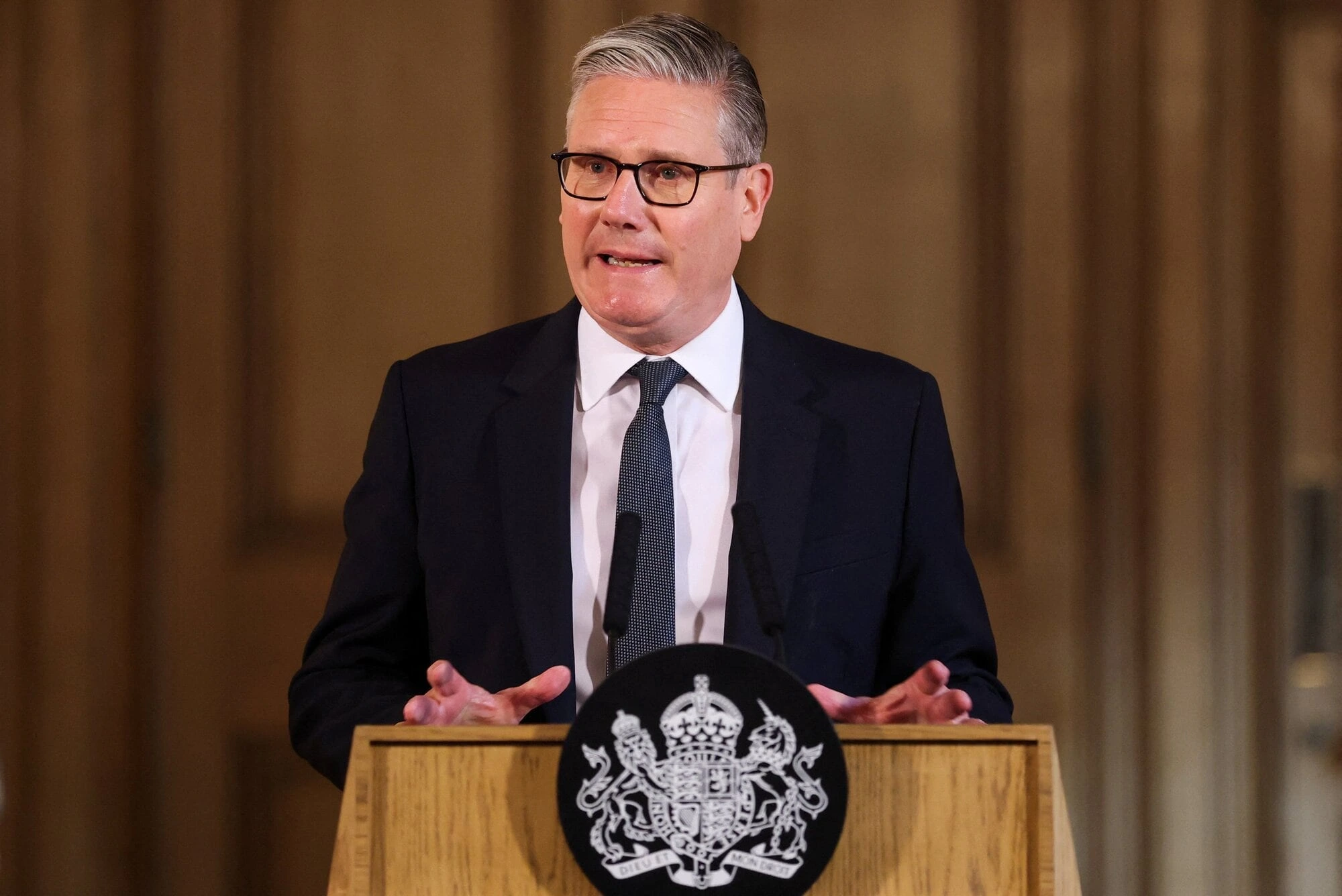
The Keir Starmer resign announcement on Monday ended a turbulent premiership marked by falling public support, policy reversals and growing pressure within the Labour Party over its political direction.
The decision by Keir Starmer resign has significance beyond Westminster. Britain remains a major economy and security partner, making leadership stability relevant for investors, allies and policymakers across Europe and North America.
Starmer became Labour leader in 2020 after the party’s electoral setbacks. He led Labour to victory in 2024 on promises of economic renewal and public service reform.
However, disputes over welfare policy, taxation and government messaging gradually weakened public confidence. Recent electoral pressures intensified debate about Labour’s future leadership.
Professor Tony Travers of the London School of Economics said leadership credibility remains central to voter trust, particularly during periods of economic uncertainty.
Political scientist Tim Bale of Queen Mary University of London has similarly argued that consistency in policy communication often shapes public perceptions more than individual reforms.
The political impact extends beyond Labour. Opposition parties may seek to capitalize on leadership uncertainty, while regional leaders could gain greater influence in national debates.
An under reported factor is the correlation between declining political trust and local economic frustration.
Areas facing slower wage growth and strained public services frequently reported stronger dissatisfaction with national leadership, creating pressure that transcended party loyalty.
Andy Burnham, mayor of Greater Manchester, said Labour must reconnect with voters seeking tangible improvements in daily life.
Luke Tryl, executive director of More in Common UK, noted that public dissatisfaction reflected concerns about trust and political delivery.
A senior Labour official, speaking publicly after the announcement, emphasized the need for unity during the transition period.
The Keir Starmer resign moment represents a significant development in modern British politics.
Its long term importance will be measured by whether Labour can restore public confidence while maintaining policy stability at home and credibility abroad.
NOTE! This article was generated with the support of AI and compiled by professionals from multiple reliable sources, including official statements, press releases, and verified media coverage. For more information, please see our T&C.


