
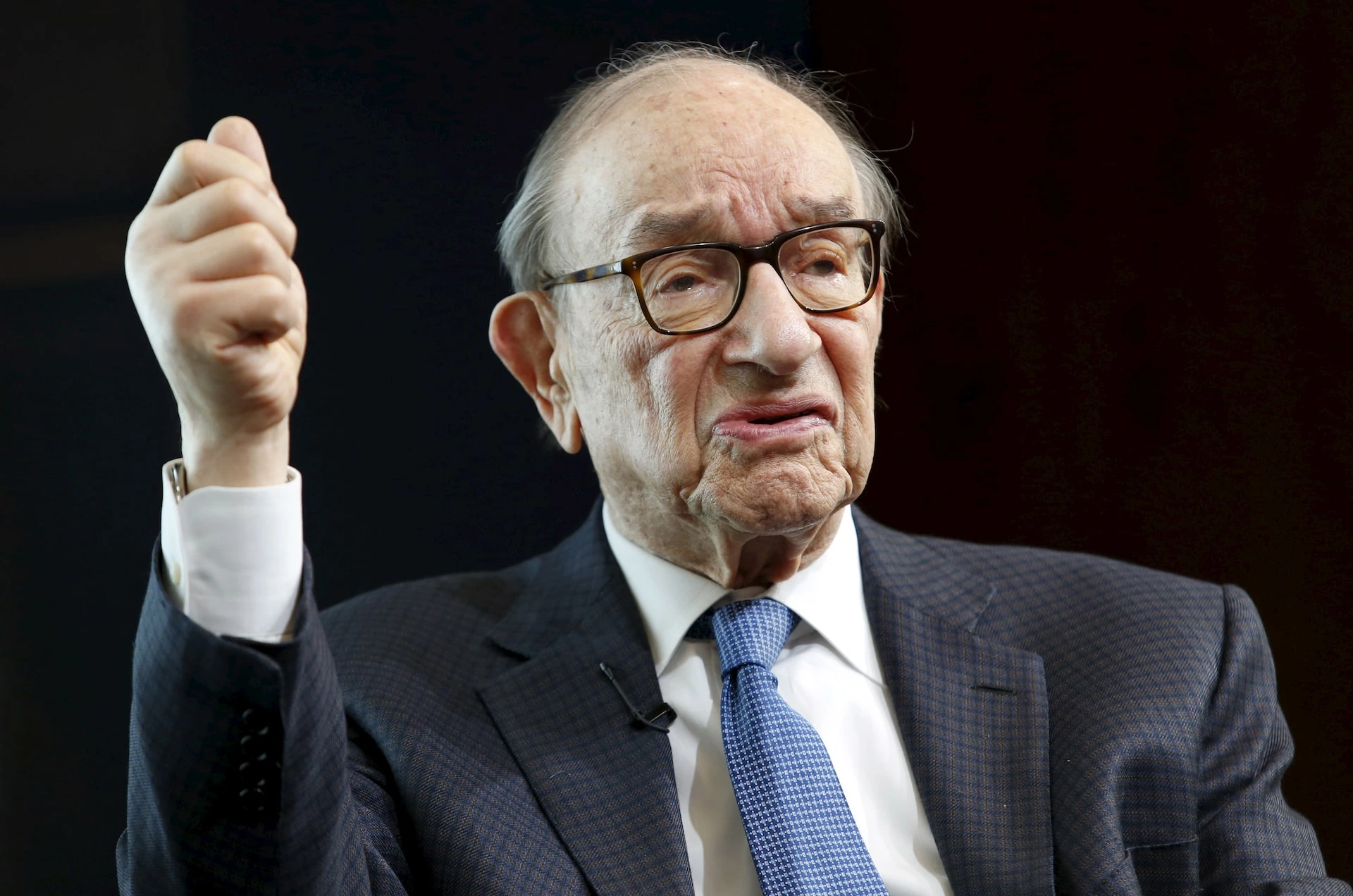
Alan Greenspan death marks the passing of former Federal Reserve Chair Alan Greenspan in Washington announced Monday highlighting his long influence on monetary policy interest rates and the 2008 financial crisis legacy.
The Alan Greenspan death has prompted global financial institutions to reassess the long arc of Federal Reserve policy from the late 1980s through the pre-crisis 2000s particularly its influence on global credit cycles and sovereign debt exposure.
Alan Greenspan death follows decades of scrutiny over his tenure as Federal Reserve Chair from 1987 to 2006.
His policies during post-1987 market stabilization the 1990s expansion and early 2000s rate cuts shaped global credit conditions.
Critics and supporters continue to dispute whether his approach to monetary policy accelerated housing market imbalances before the 2008 financial crisis.
Economists remain divided on the legacy of Alan Greenspan death in shaping modern monetary frameworks.
Former Federal Reserve economist Claudia Sahm now director of macroeconomic policy at the Washington Center for Equitable Growth said the Greenspan era prioritized inflation control but underestimated financial leverage risks.
University of Chicago economist Raghuram Rajan former IMF chief economist previously warned that low interest rates can distort credit allocation and amplify systemic vulnerability.
The Alan Greenspan death debate also intersects with Bank for International Settlements research showing that prolonged accommodative monetary policy can increase housing market fragility and cross border capital flows complicating regulatory oversight in advanced economies.
Federal Reserve historian Mark Carlson said ‘policy legacy remains contested’. Economist Sarah Binder noted ‘institutional caution increased post-2008’. Global institutions reassess long term Federal Reserve policy frameworks legacy
NOTE! This article was generated with the support of AI and compiled by professionals from multiple reliable sources, including official statements, press releases, and verified media coverage. For more information, please see our T&C.


