
SUMMARY
- M.I.A. tour controversy leads to immediate removal after Dallas audience reaction.
- Kid Cudi enforces strict touring conduct rules citing fan complaints.
- Industry experts say political speech risks are rising in live music tours.
M.I.A. tour controversy has gained global attention in March 2026 as touring artists face increasing scrutiny over political statements made during live performances.
Kid Cudi’s Dallas stop triggered debate on artist freedom versus contractual limits in major tours. Organizers say the M.I.A. tour controversy reflects wider branding risks across entertainment industries.
Promoters and sponsors are reviewing risk frameworks following similar incidents across recent global festival circuits according to industry booking reports 2026 update.
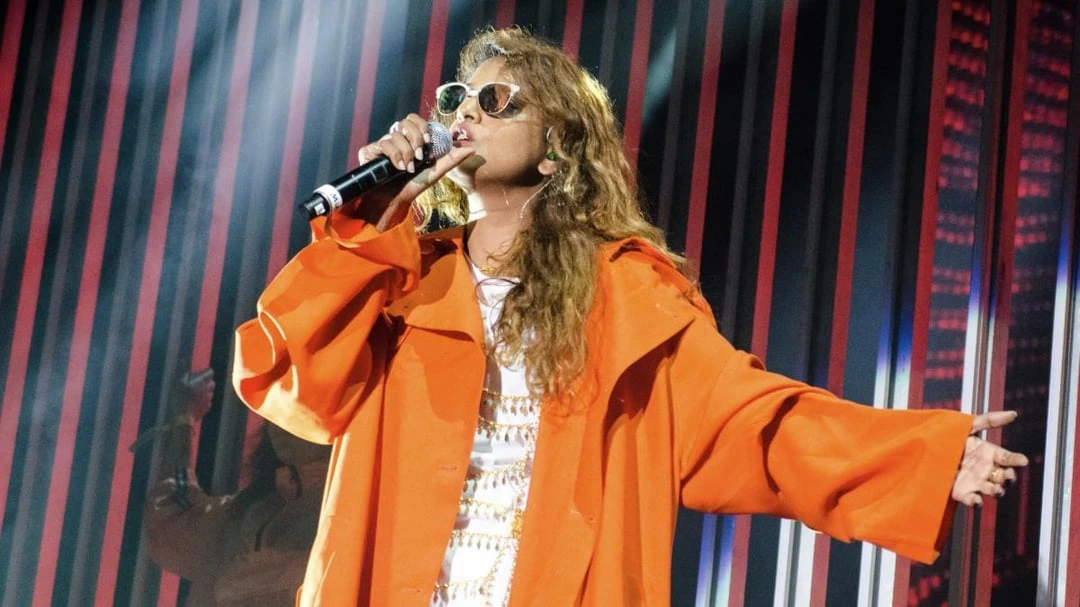
The dispute began when M.I.A. joined Kid Cudi’s North American tour in April 2026. Footage from Dallas showed her addressing immigration themes prompting immediate audience backlash.
M.I.A. tour controversy intensified after Cudi confirmed her removal from remaining dates.
Music analyst Tatiana Cirisano at MIDiA Research said the M.I.A. tour controversy shows how touring acts are now assessed as brand risk assets.
Professor Elaine Brooks of University of Southern California noted termination clauses are now standard in major tours since 2022.
She added that incidents like the M.I.A. tour controversy are increasing as political expression enters commercial touring spaces.
Fan Marcus Hill said the atmosphere shifted immediately after immigration remarks, with boos starting within seconds. Technician Aisha Rahman said crews were instructed to remain neutral during onstage comments.
Attendee Daniel Cortez said many were unsure whether comments were scripted or spontaneous. Analysts expect tighter touring contracts and stronger behavioral clauses across North American circuits over the next year.
Booking agencies are likely to expand pre tour risk assessments for politically controversial performers. Industry observers predict more selective routing to reduce reputational exposure.
The M.I.A. tour controversy highlights evolving governance in live entertainment where branding, politics and contractual enforcement increasingly intersect across global touring markets. Audience sentiment now drives tour decisions globally evolving.
NOTE! This article was generated with the support of AI and compiled by professionals from multiple reliable sources, including official statements, press releases, and verified media coverage. For more information, please see our T&C.


