
SUMMARY
- The Mexican army killed the Jalisco New Generation Cartel leader during a capture operation in Jalisco.
- Violent roadblocks and arson attacks spread across nearly a dozen states following the operation.
- The CJNG had been designated a foreign terrorist organization by the United States earlier this year.
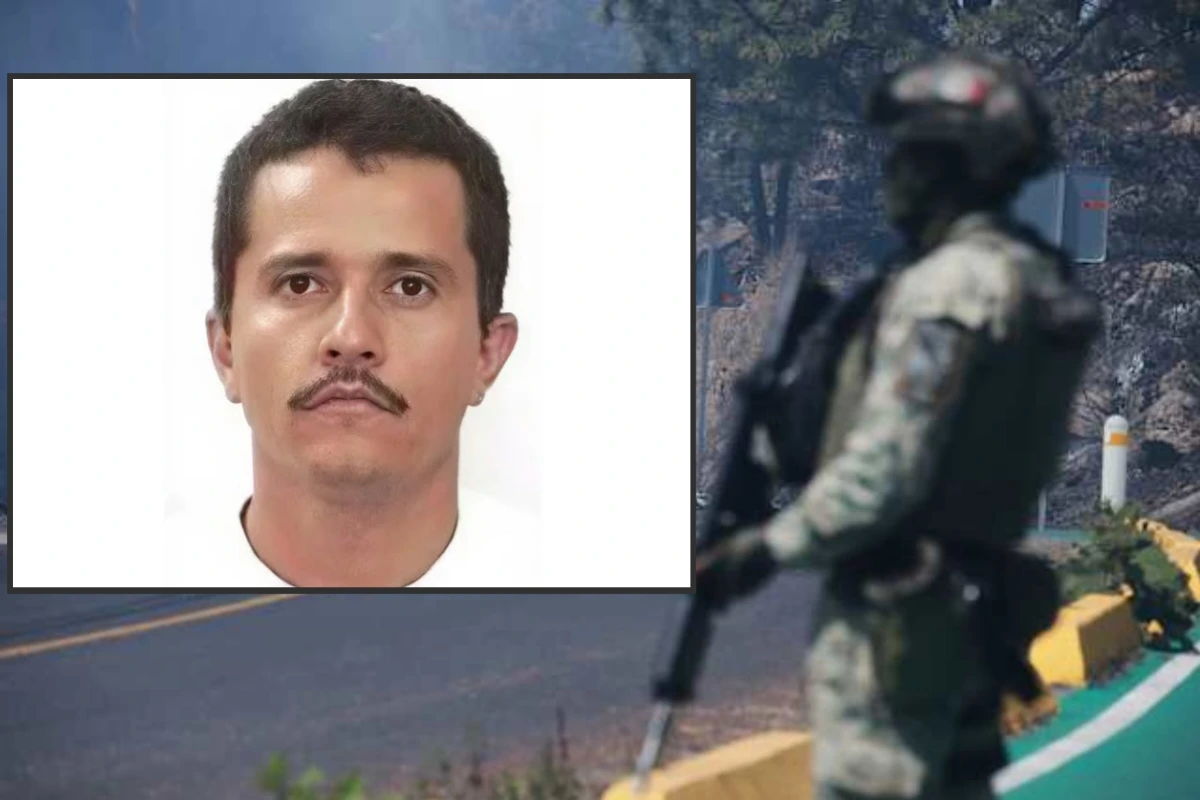
The Mexican army killed Nemesio Oseguera Cervantes, known as “El Mencho,” leader of the Jalisco New Generation Cartel, during a security operation Sunday in Tapalpa, Jalisco.
Mexican authorities said, triggering coordinated cartel retaliation across multiple states and intensifying tensions over bilateral anti drug cooperation with the United States.
The death of Oseguera Cervantes marks one of the most consequential blows to organized crime in Mexico in more than a decade.
The Jalisco New Generation Cartel, or CJNG, has become a dominant force in fentanyl trafficking and synthetic drug production, with extensive reach into the United States.
The operation underscores Mexico’s increasingly aggressive security posture under President Claudia Sheinbaum amid pressure to curb cross-border narcotics flows.
According to Mexico’s Defense Department, troops came under fire during an attempt to arrest Oseguera Cervantes in Tapalpa, about two hours southwest of Guadalajara. He was wounded and later died while being transported to Mexico City.
Four people at the site were killed during the firefight and two suspects were arrested. Authorities said armored vehicles, rocket launchers and other weapons were seized.
The CJNG emerged in 2009 and rapidly expanded through alliances and violent territorial control.
The US State Department had offered up to $15 million for information leading to Oseguera Cervantes’ capture.
In February, Washington designated the group a foreign terrorist organization, citing its role in fentanyl trafficking and attacks on Mexican security forces.
The cartel is widely considered a rival to the Sinaloa cartel, historically led by Joaquín “El Chapo” Guzmán and Ismael “El Mayo” Zambada, both now in US custody. US authorities have linked the CJNG to drug distribution networks in all 50 states.
David Mora, Mexico analyst for the International Crisis Group, said the operation signals a strategic shift.
“The armed forces are operating with greater confrontation against criminal groups,” Mora said.
“It also demonstrates to Washington that bilateral intelligence cooperation can yield results without foreign troops.”
Security scholar Eduardo Guerrero, director of Lantia Intelligence in Mexico City, said removing a cartel leader does not necessarily dismantle operational capacity.
“CJNG has built a decentralized command structure,” Guerrero said. “Leadership loss may produce short term fragmentation but not immediate collapse.”
The U.S. Embassy in Mexico said on social media that American authorities provided complementary intelligence within the framework of bilateral cooperation.
Jalisco Gov. Pablo Lemus urged residents to remain indoors and suspended public transportation after burning vehicles blocked major roads in Guadalajara.
Videos showed smoke rising in Puerto Vallarta as armed groups set vehicles ablaze.
Air Canada said it suspended flights to Puerto Vallarta because of what it described as an ongoing security situation.
The US State Department advised American citizens in several Mexican states to remain in safe locations. Canada’s embassy issued similar guidance.
María Elena Morera, president of civil society group Causa en Común, said the violence reflects predictable cartel retaliation. “These blockades are designed to overwhelm local authorities and create fear,” she said.
Federal authorities have not detailed succession dynamics within the Jalisco New Generation Cartel.
Analysts say the coming weeks will test the government’s ability to prevent splinter violence and maintain territorial control in western Mexico.
The operation occurs as Mexico prepares to host international sporting events this summer in Guadalajara, adding scrutiny to public security conditions.
Coordination between federal and state forces remains central to preventing further unrest.
The killing of the CJNG leader represents a defining moment in Mexico’s campaign against organized crime and in its security relationship with the United States.
Whether the removal of one of the country’s most powerful traffickers reduces drug flows or reshapes cartel structures will depend on sustained enforcement and institutional stability in the months ahead.
NOTE! This article was generated with the support of AI and compiled by professionals from multiple reliable sources, including official statements, press releases, and verified media coverage. For more information, please see our T&C.


