
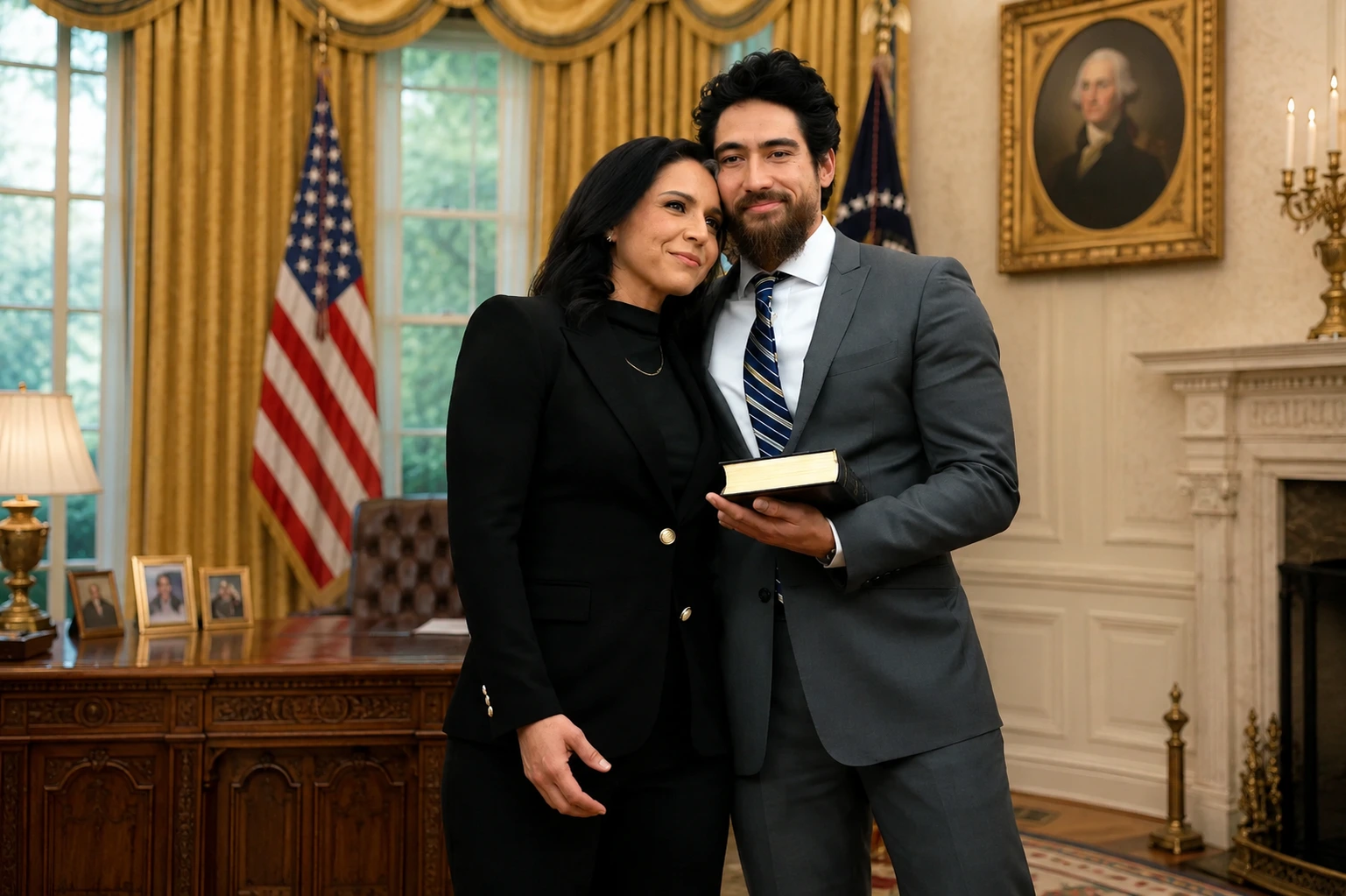
Tulsi Gabbard resignation reshaped the leadership of the US intelligence community Friday after President Donald Trump confirmed the director of national intelligence would step down June 30 following her husband’s cancer diagnosis.
SUMMARY
- Tulsi Gabbard resignation places intelligence oversight under interim leadership during escalating tensions with Iran and Venezuela.
- Trump named principal deputy DNI Aaron Lukas as acting intelligence chief pending a permanent appointment.
- Analysts say the departure could deepen divisions between interventionist and anti war factions inside the administration.
The resignation arrives during heightened geopolitical pressure for Washington. US military operations involving Iran, Venezuela and Eastern Europe have increased scrutiny on intelligence coordination and White House decision making throughout March 2026.
Gabbard announced her departure in a public letter posted on X, thanking Trump for “the opportunity to lead the Office of the Director of National Intelligence.” Trump later praised her work on Truth Social and confirmed her exit date.
The Tulsi Gabbard resignation closes a turbulent political evolution spanning more than a decade.
Gabbard entered Congress in 2013 as a Hawaii Democrat, mounted a 2020 presidential campaign and later aligned with Trump after criticizing the Biden administration’s foreign policy posture.
Her tenure at the Office of the Director of National Intelligence frequently placed her between traditional Republican national security hawks and anti intervention conservatives.
Tensions intensified after the administration approved expanded military operations targeting Iran backed infrastructure.
“Gabbard represented a rare restraining voice inside Trump’s national security circle,” said Matt Duss.
He argued her departure may strengthen officials favoring broader military engagement abroad.
Larry Pfeiffer, former chief of staff at the CIA, said leadership turnover during active regional conflicts creates “institutional uncertainty” across intelligence agencies already adapting to rapid operational demands.
Eric Schmitt said Gabbard promoted “accountability across the federal government.”
Meanwhile, former intelligence officials privately expressed concern that the Tulsi Gabbard resignation could disrupt ongoing coordination involving Middle East operations. One under reported issue involves intelligence staffing stability.
According to former ODNI budget official Susan Gordon, repeated leadership turnover increases recruitment pressure in cyber and counterterrorism divisions already facing private sector competition.
Over the next six to twelve months, White House intelligence policy will likely center on continuity rather than structural reform.
Congressional oversight hearings surrounding Iran operations and Venezuela deportation policies are expected to intensify as lawmakers examine decisions made during Gabbard’s tenure.
The Tulsi Gabbard resignation leaves the Trump administration balancing wartime intelligence demands against growing political fractures over America’s global military posture.
NOTE! This article was generated with the support of AI and compiled by professionals from multiple reliable sources, including official statements, press releases, and verified media coverage. For more information, please see our T&C.


