
SUMMARY
- Rubio reaffirmed US support for the transatlantic alliance, stressing historical and cultural ties to Europe.
- He criticized European policymakers for past mistakes without detailing specific reforms.
- The address contrasted with last year’s speech by Vice President JD Vance, which focused on internal threats like democratic backsliding.
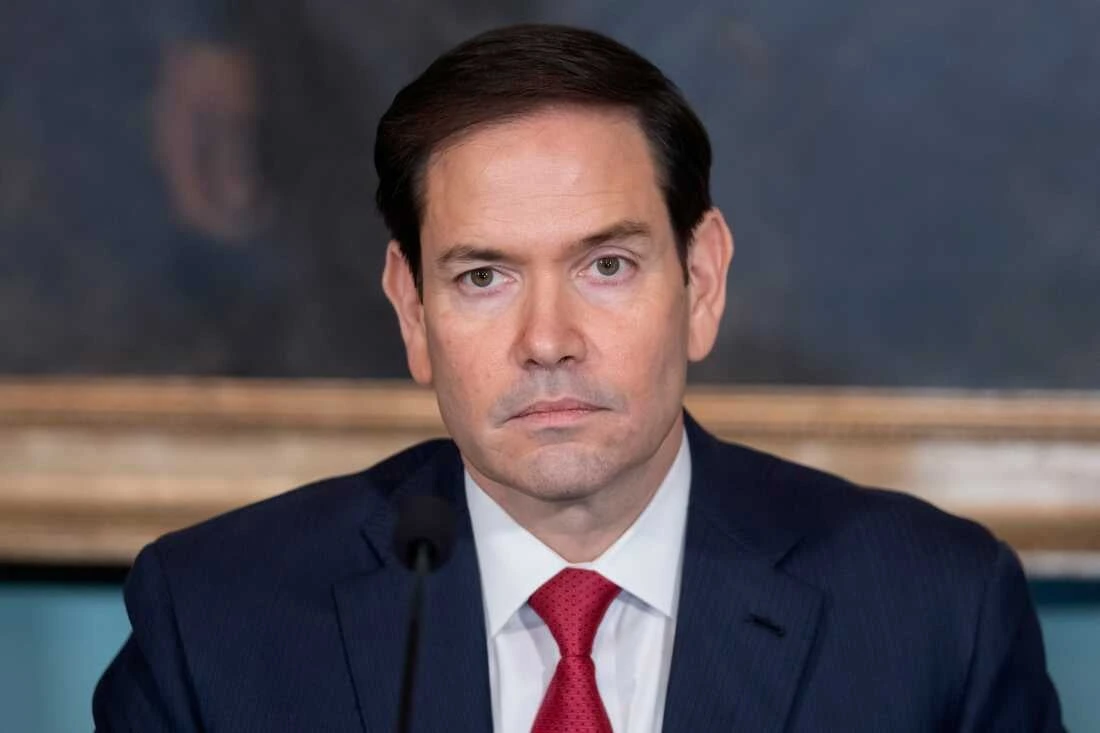
MUNICH – US Secretary of State Marco Rubio addressed European leaders Saturday at the annual Munich Security Conference, emphasizing Washington’s commitment to the transatlantic alliance while criticizing policy missteps by Europe.
Rubio’s speech offered a message of unity but included pointed remarks urging European governments to adjust course on key strategic issues.
Rubio’s appearance at the Munich Security Conference came amid growing debates over Europe’s role in global security and the durability of NATO.
Speaking to diplomats, defense officials, and policymakers, Rubio emphasized that the United States “will always be a child of Europe” and rejected the notion that the transatlantic era is ending.
His remarks highlighted both solidarity and concern for Europe’s strategic direction, signaling a nuanced US approach.
The transatlantic alliance, centered on NATO, has faced renewed scrutiny amid tensions with Russia, economic challenges, and debates over military spending.
Last year, US officials focused on domestic threats within Europe, including censorship and democratic erosion.
Rubio’s address marked a shift toward outward facing diplomacy while still acknowledging European governance issues.
“Rubio’s speech is a reminder that US foreign policy seeks balance between partnership and constructive criticism,” said Daniel Fiott, senior fellow at the European Union Institute for Security Studies in Paris.
“It signals continuity in alliance commitments while pushing for policy recalibration in Europe.”
Michael O’Hanlon, senior fellow at the Brookings Institution in Washington, said, “The absence of direct mentions of Russia or NATO suggests a strategic emphasis on soft power and diplomatic reassurance rather than confrontation.”
European diplomats reacted positively to Rubio’s message. “It’s reassuring to hear the US reaffirm its commitment, even while pointing out our internal policy gaps,” said Anja Weber, Germany’s deputy security adviser.
Marco Rossi, an Italian foreign policy analyst, added, “The tone is collaborative but clear: Europe must rethink some priorities.”
US/European relations are likely to remain cooperative, with Rubio’s speech setting the stage for ongoing consultations on defense spending, regional stability, and strategic partnerships.
Policymakers are expected to weigh his critiques as Europe navigates geopolitical uncertainties.
Rubio’s address underscores the enduring importance of the transatlantic alliance and the US role in shaping Europe’s policy trajectory while maintaining diplomatic solidarity.
NOTE! This article was generated with the support of AI and compiled by professionals from multiple reliable sources, including official statements, press releases, and verified media coverage. For more information, please see our T&C.


