
SUMMARY
- Overwatch update adds five heroes and begins a narrative Driven seasonal structure.
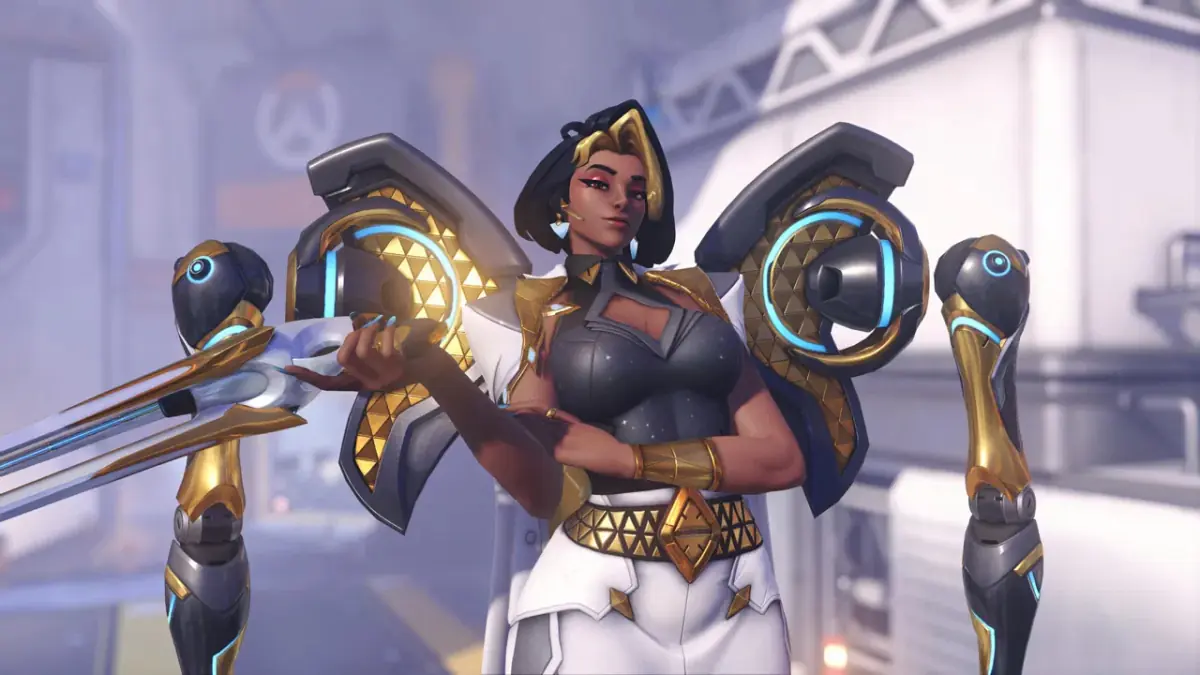
- Jetpack Cat debuts as a flying support with an emphasis on mobility and combined healing and damage output.
- Role and subrole system changes alter hero balance and match economics across all formats.
SAN FRANCISCO — Blizzard Entertainment launched a major Overwatch update Tuesday that introduced five new heroes, overhauled core game systems and signaled a shift to a narrative seasonal model designed to reshape competitive play and community engagement.
The update, released Feb. 10, 2026, marks the start of Season 1 and includes the addition of new characters Domina, Anran, Emre, Mizuki and Jetpack Cat, the latter a highly anticipated aerial support.
The changes also introduce role wide passive adjustments, new communication tools and a limited time Conquest event intended to deepen player investment and refresh match dynamics.
Blizzard said the update is the first chapter of a yearlong story arc that will tie seasonal content together more cohesively.
The update immediately expanded the Overwatch roster, a move that Blizzard Entertainment, the game’s developer, described as the largest character release in years.
“Season 1 represents our commitment to evolving Overwatch beyond balance passes and into a living ecosystem where players feel meaningful change each season,” said Mike Ybarra, president of Blizzard Entertainment.
“The new heroes and structural updates give players more choices and strategic depth.”
Players around the world began experiencing the update Tuesday in casual and competitive queues across PC and console platforms.
The most visible change is the influx of five new heroes, a quantity rarely seen at one time in Overwatch’s nearly decade-long history.
The centerpiece for many players is Jetpack Cat, a support character capable of sustained flight and designed to reward aggressive positioning and hybrid offense defense play.
Overwatch, a team based shooter first released in 2016, has continuously evolved through seasonal content and balance patches.
However, Blizzard has faced criticism in recent years over slower hero releases and less cohesive seasonal progression.
The new structure attempts to address that by tying gameplay changes and narrative elements under a unified arc that will continue throughout the year.
Blizzard also implemented role and subrole passives that adjust how heroes generate and interact with ultimate abilities and other core mechanics.
“We wanted to rethink not just which heroes are strong but how roles function fundamentally,” said Jon Spector, lead systems designer at Blizzard.
“These systemic changes are meant to create more meaningful decisions and reduce predictable meta outcomes.”
Industry analysts say the overhaul is an important step for Overwatch’s long-term competitiveness.
“This update is about ecosystem design as much as content,” said Dr. Mia Chen, associate professor of game design at the University of Southern California.
“Blizzard is trying to shift from incremental tweaks to systemic shifts that sustain engagement and strategic variation.”
Chen also noted the risk of feature overload. “Introducing five heroes at once alongside major systemic changes can be destabilizing for the player base,” she said.
“But if executed well, it can refresh the meta and broaden viable play styles.” Competitive players have already begun discussing the implications on strategy.
Mark “Razor” Kim, a coach for a professional Overwatch League team, said the passive system changes could slow snowball effects in ranked play.
“Ultimate economy has dominated high level play for years,” Kim said. “These changes might reward coordinated play more than raw timing.”
Players on social platforms praised Jetpack Cat’s aerial mobility but acknowledged a steep learning curve.
“Flying changes sightlines and angles in ways we haven’t seen before,” wrote user “SkyTracer” on a community forum. “It’s fun but takes time to master.”
Another player, Ana Rodriguez, said the broader role changes made familiar heroes feel fresh.
“Playing old favorites feels different,” Rodriguez said. “It forces you to rethink positioning and ult economy instead of relying on muscle memory.”
Blizzard indicated more heroes and narrative driven content are planned throughout 2026.
The Conquest event ties into an overarching story that will unfold across seasons, potentially affecting maps, lore and gameplay systems.
Developers said they will monitor player feedback and telemetry to fine-tune balance as the season progresses.
The Feb. 10 Overwatch update marks a significant evolution in the game’s design philosophy, coupling a substantial roster expansion with foundational system changes.
As Blizzard rolls out additional seasonal content and listens to player response, the competitive and casual player experience may shift in ways that influence Overwatch’s trajectory for years to come.
NOTE! This article was generated with the support of AI and compiled by professionals from multiple reliable sources, including official statements, press releases, and verified media coverage. For more information, please see our T&C.


