
KEY POINTS
- The Nashville winter storm caused prolonged power outages and halted transit and government services across the city.
- Officials declared a local state of emergency to unlock state and federal assistance.
- Extreme cold warnings remain in effect, complicating restoration efforts and travel.
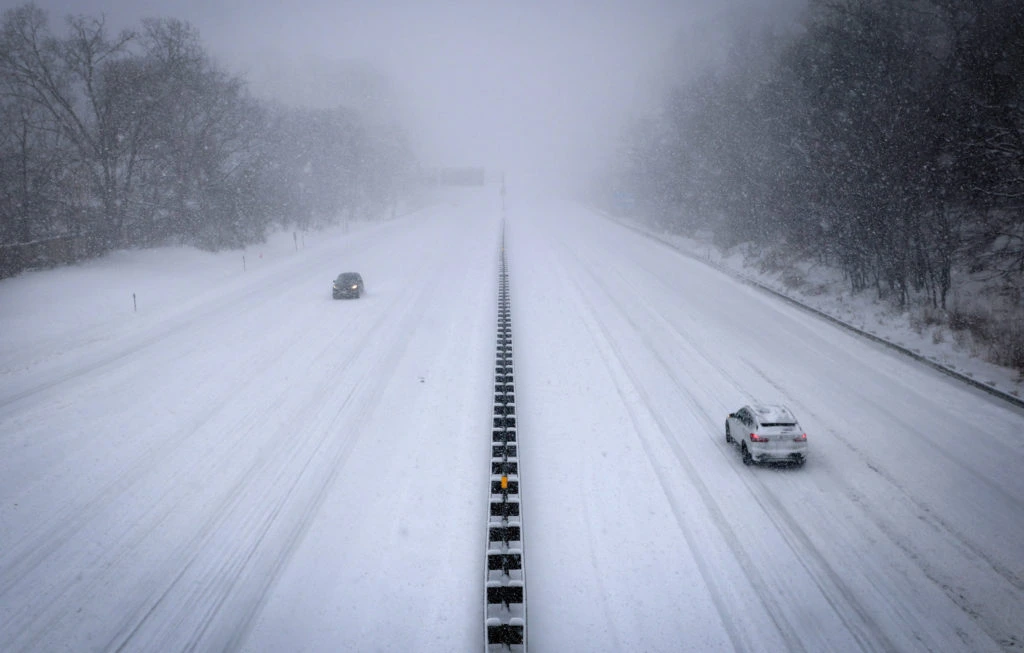
A powerful winter storm system swept across Nashville over the weekend, coating roads with snow and ice, knocking out electricity for as many as 250,000 households and forcing widespread shutdowns as officials warned that dangerously cold temperatures could prolong disruptions for days.
The storm’s impact extended well beyond initial snowfall totals, which came in below some early forecasts.
Ice accumulation, high winds and plunging temperatures proved more damaging, overwhelming infrastructure in Tennessee’s capital and leaving residents without heat. Transportation or reliable travel conditions as another wave of extreme cold set in.
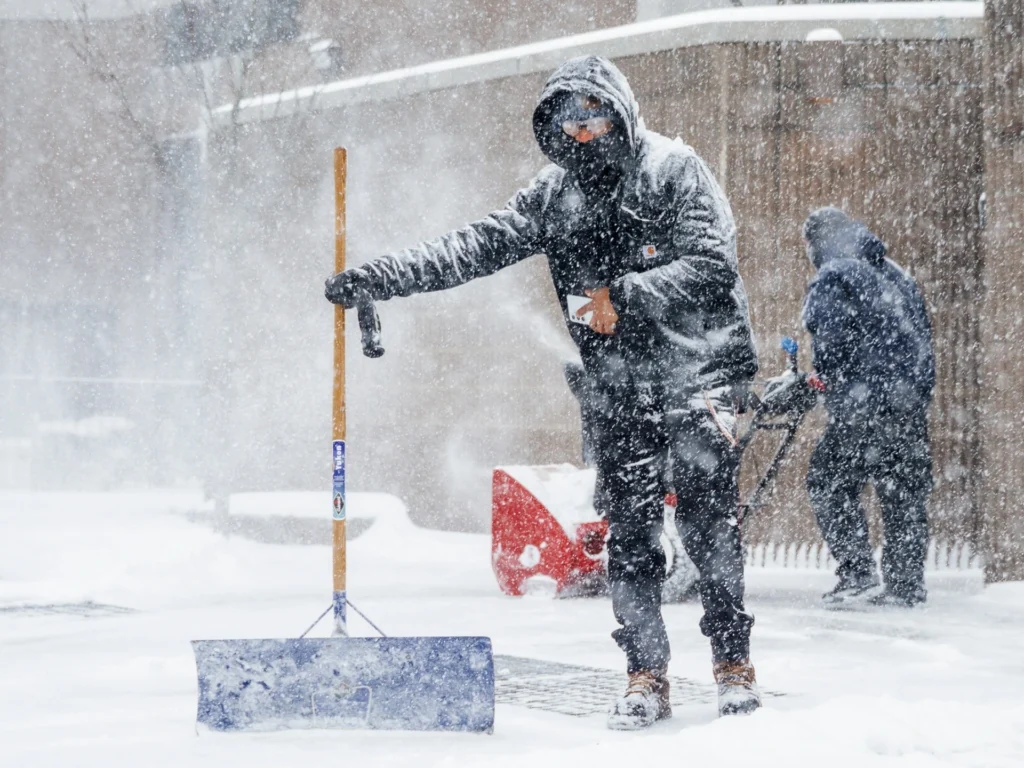
Nashville Electric Service reported that about 90,000 customers were without power early Sunday, a figure that rose rapidly to nearly 180,000 by midmorning and peaked around 230,000 later in the day.
The utility warned that outages could last multiple days due to ice laden trees and power lines combined with ongoing subfreezing temperatures.
Mayor Freddie O’Connell declared a local state of emergency, allowing Nashville to request additional state resources and mutual aid.
He said he had spoken with Tennessee Gov. Bill Lee and described the event as the most disruptive ice storm the city has faced since the 1990s.
City bus service was suspended for much of Sunday, courts and government offices closed and schools canceled classes through Tuesday.
Trash collection and multiple public meetings were also called off due to hazardous conditions.
Brent Baker, chief operations and innovation officer for Nashville Electric Service, said restoration timelines remain uncertain.
“This will be a longer outage which could span over days or longer,” Baker said, citing continuing wind and cold as risks for additional failures.
Will Swann, director and chief of the Office of Emergency Management, said the city received several hundred emergency calls related to medical needs and downed trees, with roughly 650 trees reported countywide.
“It’s been very challenging,” Swann said.
Katharine Hayhoe, a climate scientist at Texas Tech University and chief scientist for The Nature Conservancy, said ice storms are particularly damaging in regions unaccustomed to prolonged freezing.
She said small shifts in temperature can dramatically increase ice accumulation, stressing power grids and transportation systems.
| Impact Area | Reported Figures |
|---|---|
| Peak power outages | About 230,000 customers |
| Downed trees | Approximately 650 |
| Motorist assistance calls | 562 |
| Crashes with injuries | 36 |
| Fatal crashes | One under investigation |
O’Connell urged patience as crews worked around the clock and encouraged residents without shelter to seek warming locations at fire stations, police precincts and designated community centers.
Pets are allowed, officials said, though overnight bedding is not provided.
Phillip Jones, assistant director of the Nashville Department of Transportation, said road treatment was effective early but became less so as ice formed.
“As temperatures dropped, a glaze of ice was more treacherous,” Jones said.
The Tennessee Highway Patrol reported more than 750 calls for help over the weekend, including dozens of crashes involving injuries.
The cause of a fatal crash remains under review by the Tennessee Department of Health.
Federal assistance is now available after President Donald Trump approved an emergency declaration for Tennessee, enabling the Federal Emergency Management Agency to provide direct aid at seventy five percent federal funding.
While no additional precipitation is forecast this week, temperatures are expected to remain mostly below freezing, increasing the risk of lingering outages and slow recovery.
As Nashville continues to contend with the aftermath of the winter storm, officials say the combination of ice damage and extreme cold underscores the vulnerability of urban infrastructure to rare but severe weather events.
The coming days will test restoration efforts as the city works to return essential services to normal amid sustained freezing conditions.
FAQs
What areas in Nashville are affected by the power outage?
About 230,000 households across Nashville experienced power outages due to the winter storm.
Are public transportation and schools operating?
WeGo bus service is limited, major corridors are running, but WeGo Star and regional buses are suspended. Metro Nashville Public Schools are closed today and tomorrow.
Where can residents find warming centers?
Fire stations, police precincts, community centers like Nashville Fairgrounds, Madison, and Southeast Regional Center in Antioch are open 24/7 for warming. Pets are allowed.
Is federal assistance available for the storm impact?
Yes, FEMA is providing support after a presidential emergency declaration, covering 75% of direct assistance costs.
Author’s perspective
In my analysis, the Nashville winter storm highlights vulnerabilities in urban infrastructure and emergency preparedness amid increasingly erratic weather patterns.
I predict utilities nationwide will adopt AI driven grid resilience systems to reduce multi day outages.
Residents and small businesses must proactively track outage alerts and identify local warming centers. Monitoring real time NES updates can mitigate disruption.
NOTE! This report was compiled from multiple reliable sources, including official statements, press releases, and verified media coverage.


