
KEY POINTS
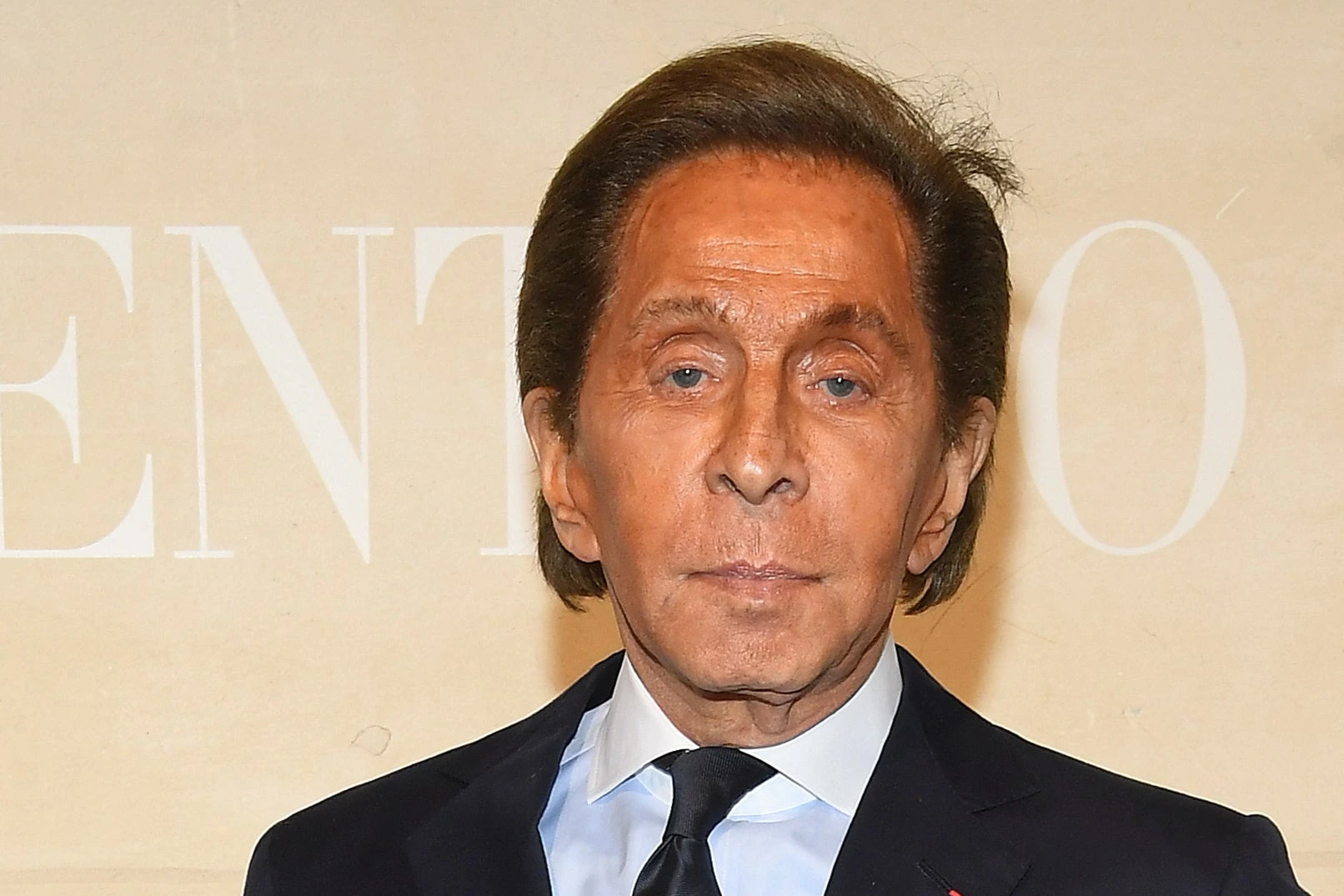
- Valentino Garavani, founder of the Valentino brand in 1959, shaped Italian couture and global fashion for over five decades.
- His designs were worn by figures including Jacqueline Kennedy, Farah Diba, Elizabeth Taylor, and Julia Roberts.
- Valentino and partner Giancarlo Giammetti expanded Italian fashion’s international influence and built the first designer brand listed on the Milan stock exchange.
ROME — Valentino Garavani, the Italian designer whose fashion house defined glamour for royalty, celebrities, and society figures for decades, died Monday at his home in Rome.
He was 93, according to a statement from the Fondazione Valentino Garavani e Giancarlo Giammetti.
Garavani’s death marks the passing of one of the last major 20th century couturiers. Known for his disciplined pursuit of beauty over trend, he established an enduring image of Italian elegance.
His influence extended beyond clothing to cultural and economic spheres, elevating Italy’s position in global fashion.
Born in 1932 in Voghera, Italy, Garavani trained under Parisian ateliers before launching his eponymous label in Rome in 1959.
His work coincided with the era of La Dolce Vita, blending cinematic glamour with aristocratic sophistication.
He crafted signature looks for landmark events, including Jacqueline Kennedy’s marriage to Aristotle Onassis in 1968 and Farah Diba’s exile in 1979.
Valentino also played a strategic role in positioning Italian fashion alongside established Parisian houses, paving the way for brands such as Armani and Versace.
With Giammetti, he developed a vertically integrated business model including ready to wear lines, licensing, and a publicly traded brand, a first in Italian fashion history.
- Founded: 1959
- Signature Style: Elegant, luxurious gowns, iconic “Valentino red”
- Notable Clients: Jacqueline Kennedy, Elizabeth Taylor, Julia Roberts, Cate Blanchett
- Business Milestone: First designer brand listed on Milan Stock Exchange
- Headquarters: Rome, Italy
Fashion historian Caroline Weber said Garavani’s work “bridged haute couture and modern celebrity culture, defining how style could signify status in the 20th century.”
Economist Luca Mazza noted that Valentino’s licensing and stock market strategy “provided a blueprint for Italian luxury as a global economic sector.”
Walter Veltroni, former mayor of Rome, remarked in 2005, “In Italy, there is the Pope and there is Valentino.”
Designer Maria Grazia Chiuri, who collaborated with Valentino early in her career, described him as “relentlessly committed to refinement and beauty in every stitch.”
Valentino’s brand continues under corporate stewardship, maintaining his legacy in haute couture while navigating evolving markets for luxury goods.
Valentino Garavani’s career combined artistry, strategic business acumen, and global cultural influence, leaving a lasting imprint on fashion and Italian economic presence worldwide.
In my analysis, Valentino Garavani’s passing underscores the enduring economic power of legacy luxury brands in shaping global fashion markets.
I predict a surge in digital couture collaborations blending NFT assets with heritage labels. Consumers and boutique owners should track brand digitization for early adoption.
NOTE! This report was compiled from multiple reliable sources, including official statements, press releases, and verified media coverage.
Adnan Rasheed, Lead Research Analyst


