
KEY POINTS
- The Iran internet shutdown has severed most international connectivity while disrupting domestic communications.
- Rights groups say prolonged blackouts historically coincide with mass arrests and limited outside scrutiny.
- Experts warn Iran may formalize a tiered access system that requires state approval for global internet use.
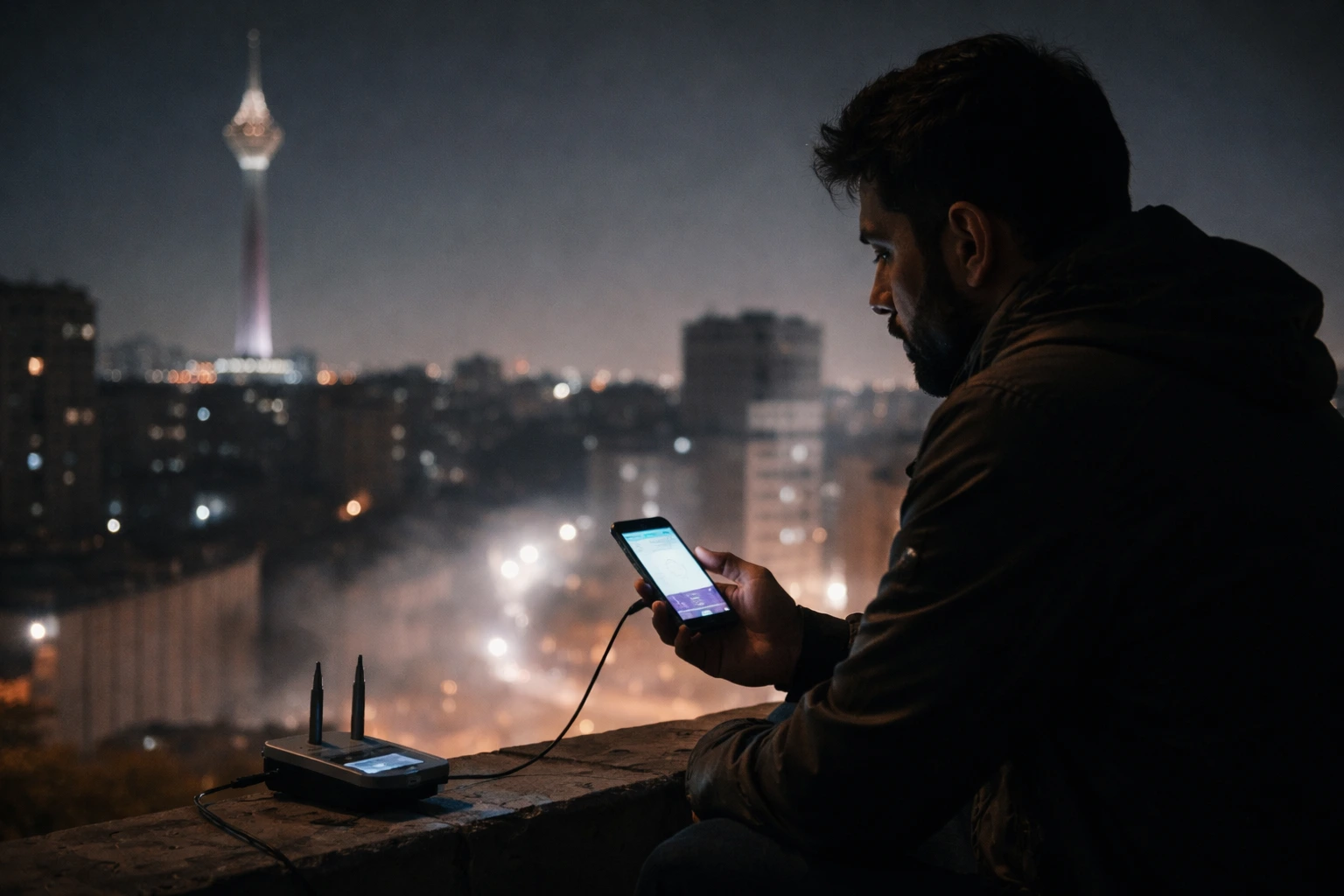
Iran’s nationwide internet blackout, now in its tenth day, has cut roughly 92 million people off from online services, disrupted phone and text networks and intensified concerns that authorities are moving toward long-term digital isolation.
The Iran internet shutdown began Jan. 8, with officials citing security threats as rights groups warn it is masking a broader crackdown on dissent.
The current blackout has already surpassed previous outages in length and scope, affecting banking, education, health services and cross border trade.
While Iran has long filtered social platforms and foreign news sites, the scale of the present cutoff marks a sharper turn, raising questions about whether temporary emergency measures are being converted into permanent controls.
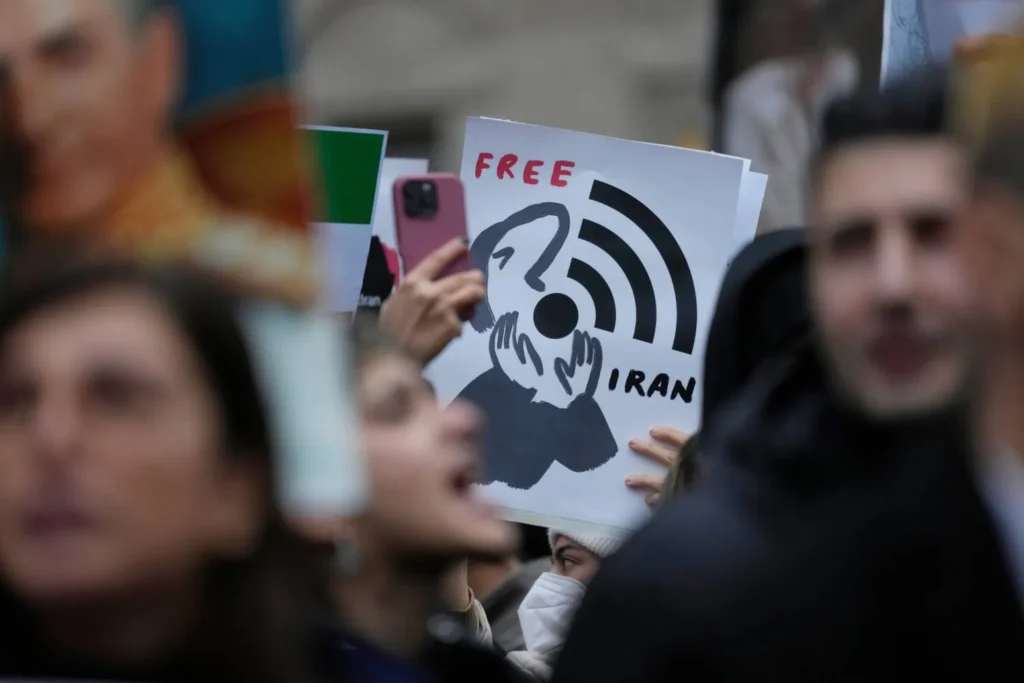
Iran has periodically restricted connectivity during unrest, including nationwide shutdowns in November 2019 and September 2022.
Those measures were typically lifted within days. This time, officials have not announced a restoration date.
State media reported that Foreign Minister Abbas Araghchi linked the blackout to what he described as externally directed “terrorist operations.”
The news site IranWire said government spokesperson Fatemeh Mohajerani told journalists that international access may not resume until at least the Iranian New Year in late March.
The BBC has not independently verified the claim. For years, many Iranians used virtual private networks to reach blocked services like Instagram. That workaround has become unreliable as filtering and throttling expand.
Campaigners at Access Now say shutdowns have repeatedly coincided with periods of lethal force and mass detentions, limiting documentation and international oversight.
Researchers at FilterWatch, a digital rights monitoring project, say the current outage reflects a shift from episodic controls to structural separation from the global web.
Amir Rashidi of the Miaan Group, which runs FilterWatch, said authorities appear to be moving toward a registration based model in which global access would require state approval, an approach that mirrors systems in China and parts of Russia.
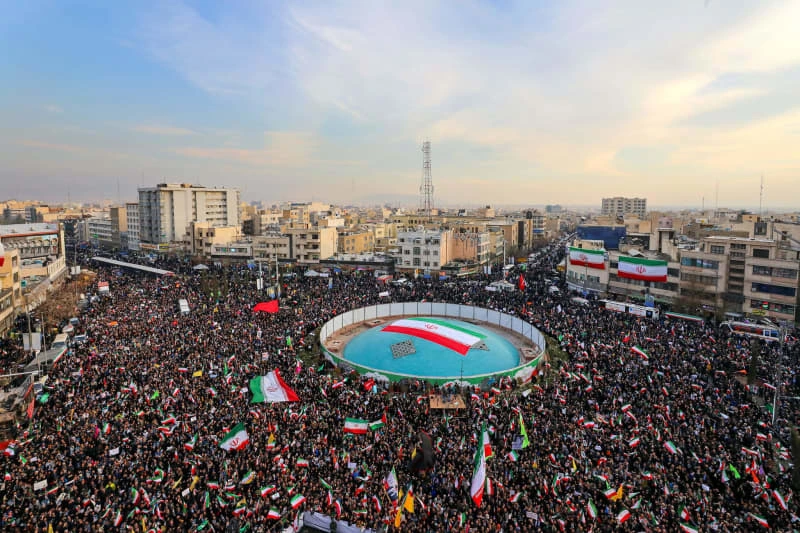
Such systems rely on domestic routing, national domain controls and inspection of encrypted traffic.
Analysts note that Iran has invested in these tools for years under its “National Information Network,” originally marketed as resilience against cyberattacks.
Critics argue the same infrastructure can be used for surveillance and censorship.
Low Earth Orbit satellite services complicate enforcement.
Starlink terminals have provided intermittent access during protests, and the company has updated firmware to counter jamming, according to people familiar with the service.
| Indicator | Previous nationwide shutdowns | Current blackout |
|---|---|---|
| Typical duration | Several days | More than ten days |
| Scope | Internet only | Internet plus phone and text disruptions |
| Stated rationale | Security, unrest | Security, alleged external threats |
| International access | Gradually restored | No public restoration date |
Source: Access Now statements and FilterWatch assessments
Access Now said in a public statement that full restoration is essential, warning that restrictions “endanger lives” and reduce accountability for rights abuses.
FilterWatch has cautioned that users should not expect a return to pre-blackout conditions, citing unnamed officials.
The Human Rights Activists News Agency reported more than three thousand three hundred confirmed protester deaths and more than twenty four thousand arrests across one hundred eighty seven cities as of Jan. 18, with thousands of cases under review.
The figures cannot be independently verified because of the blackout. Technical capacity is no longer the main constraint, experts say.
Political decisions will determine whether Iran normalizes a gated model that limits cross border traffic while maintaining a domestic web.
Economic pressure from disrupted commerce and international sanctions could complicate sustained isolation, as could the spread of satellite and mesh network tools that bypass terrestrial controls.
Comparisons with China and Russia suggest uneven implementation is likely. China built controls into its internet from the outset, while Russia has attempted to retrofit a “kill switch” model that isolates traffic during crises. Iran appears to be blending these approaches.
The Iran internet shutdown has become a test of how far a state can separate its population from the global web without crippling daily life.
As rights groups document the human cost and technologists outline new barriers, the outcome will shape not only Iran’s digital future but also how other governments evaluate the trade offs between security claims and open connectivity.
Author’s Perspective
In my analysis, the Iran internet shutdown signals a shift toward state controlled digital sovereignty, where access becomes a regulated privilege rather than a basic service.
I predict Iran will formalize a tiered internet system, granting global access only to vetted sectors through licensing and identity based controls.
For everyday users, this will mean higher costs, limited global exposure and growing dependence on underground connectivity tools.
Monitor changes in telecom regulations and data localization laws these often reveal permanent digital control before it is publicly announced.
NOTE! This report was compiled from multiple reliable sources, including official statements, press releases, and verified media coverage.


