
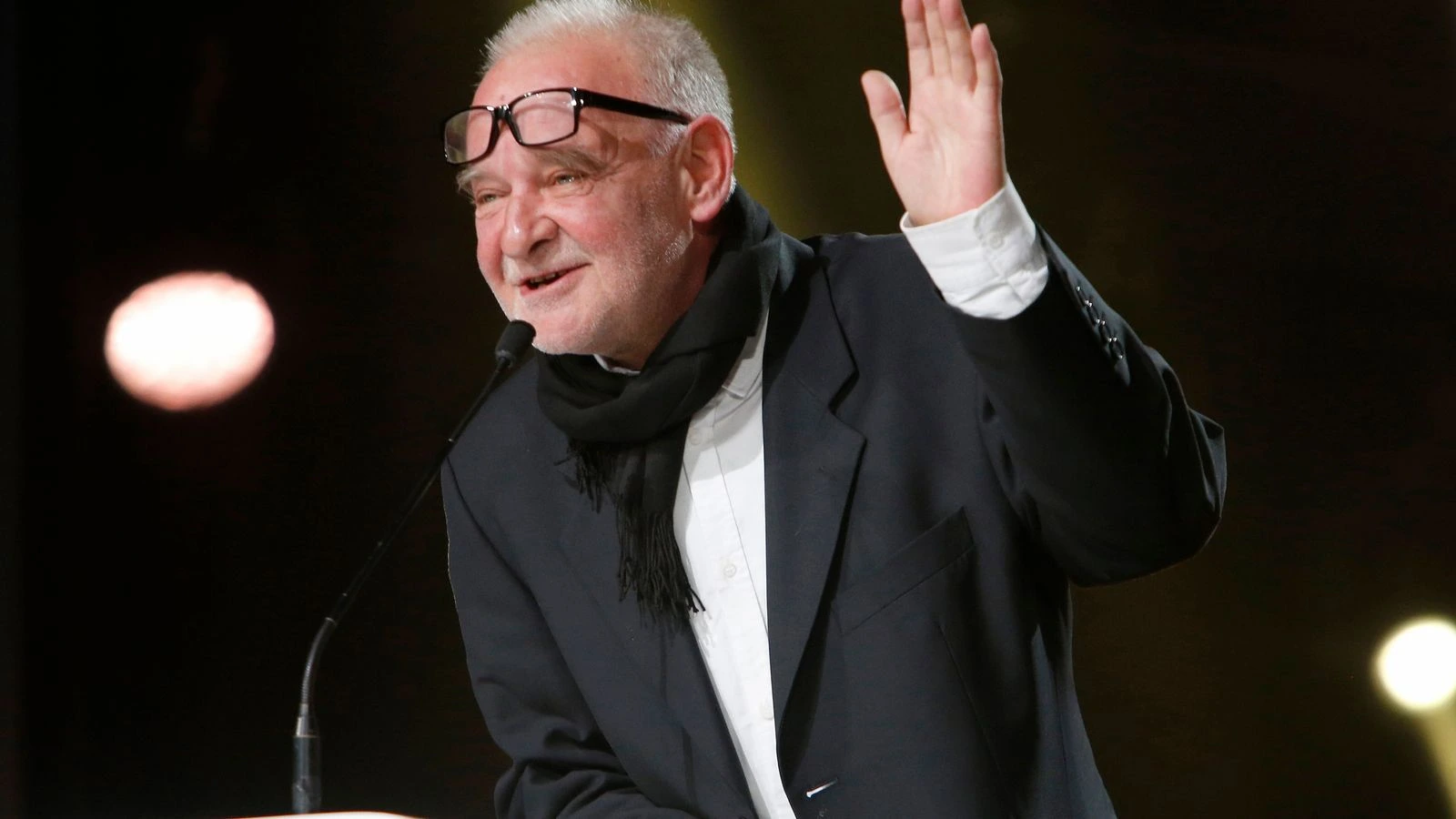
BUDAPEST, Hungary — Béla Tarr, the Hungarian filmmaker celebrated for his bleak, hypnotic cinematic style and long form narrative experiments.
Died Tuesday at the age of 70 after a prolonged illness, according to the Hungarian Filmmakers’ Association.
Tarr, whose films often depicted despair and social decay in Eastern Europe, was recognized internationally for his work, including Sátántangó, Werckmeister Harmonies, and The Turin Horse.
KEY POINTS
- Tarr directed nine feature films over more than three decades, pioneering long take, slow cinema that influenced directors worldwide.
- His final feature, The Turin Horse (2011), won the Silver Bear Jury Grand Prize at the Berlin International Film Festival.
- Beyond filmmaking, Tarr played a significant role in nurturing young talent through his Sarajevo based film academy, film.factory.
Tarr’s death marks the end of an era for European art house cinema. Known for stark black and white cinematography and single takes exceeding ten minutes.
Tarr reshaped visual storytelling and explored the social and political landscapes of post communist Hungary.
His collaboration with Nobel laureate László Krasznahorkai produced several critically acclaimed adaptations that remain touchstones of contemporary cinema.
Born in Pécs in 1955, Tarr released his first feature, Family Nest, in 1979 at age 23.
The film won the Grand Prize at the Mannheim Heidelberg International Film Festival, signaling the arrival of a new voice in European cinema.
Over the next three decades, he directed nine films, characterized by slow pacing, long takes, and minimal dialogue, often reflecting Hungary’s socialist and post socialist conditions.
*Tarr’s longest film, Sátántangó, spans more than seven hours, offering an immersive portrait of human despair and societal collapse.
Films such as Damnation (1988) and Werckmeister Harmonies (2000) earned awards across Europe and Asia, solidifying Tarr’s international reputation.
He frequently collaborated with editor and co-director Ágnes Hranitzky, who co-directed his final three features. Film scholars emphasize Tarr’s role in shaping global slow cinema.
Professor Anna Molnár of the University of Theatre and Film Arts in Budapest said, “Tarr’s work redefined narrative time and challenged conventional cinematic structures.
His films are not only artistic statements but sociopolitical reflections of Central Europe’s transition.” His politically charged stance extended beyond the screen.
Tarr criticized nationalism, populist policies under Hungarian Prime Minister Viktor Orbán, and international leaders such as Donald Trump and Marine Le Pen.
In 2020, he supported students protesting Hungarian cultural policy, demonstrating his engagement with contemporary social debates.
“I first encountered Sátántangó during my studies in film, and it changed the way I view cinematic time,” said filmmaker Gus van Sant, who cited Tarr as a key influence.
“His meticulous patience and vision inspire filmmakers globally.”
Ágnes Hranitzky, Tarr’s long time collaborator, stated in a message to the Hungarian Filmmakers’ Association “Béla dedicated his life to cinema that demands reflection.
His legacy will continue through every filmmaker he influenced and every student he nurtured at film.factory.”
While Tarr’s films concluded with The Turin Horse, his influence is likely to continue shaping global cinema, particularly in slow cinema, long take techniques, and narrative experimentation.
The Sarajevo based film academy he founded remains operational, training the next generation of European and Balkan filmmakers in his methods.
Béla Tarr’s passing represents the loss of a seminal voice in world cinema.
His meticulous approach, political engagement, and unwavering commitment to the craft leave a lasting imprint on film scholarship, festival circuits, and art house audiences worldwide.
His work continues to offer a lens into the moral and social complexities of Central Europe, ensuring his influence endures for decades.
Author’s Perspective
In my analysis, Béla Tarr transformed slow cinema into a tool for exploring human and societal despair. I believe his films will continue influencing filmmakers worldwide.
I predict that graduates from Tarr’s Sarajevo film academy will redefine European arT house cinema by blending realism with experimental pacing.
Study Tarr’s long takes and framing to master storytelling through mood and atmosphere rather than plot.
NOTE! This report was compiled from multiple reliable sources, including official statements, press releases, and verified media coverage.


