
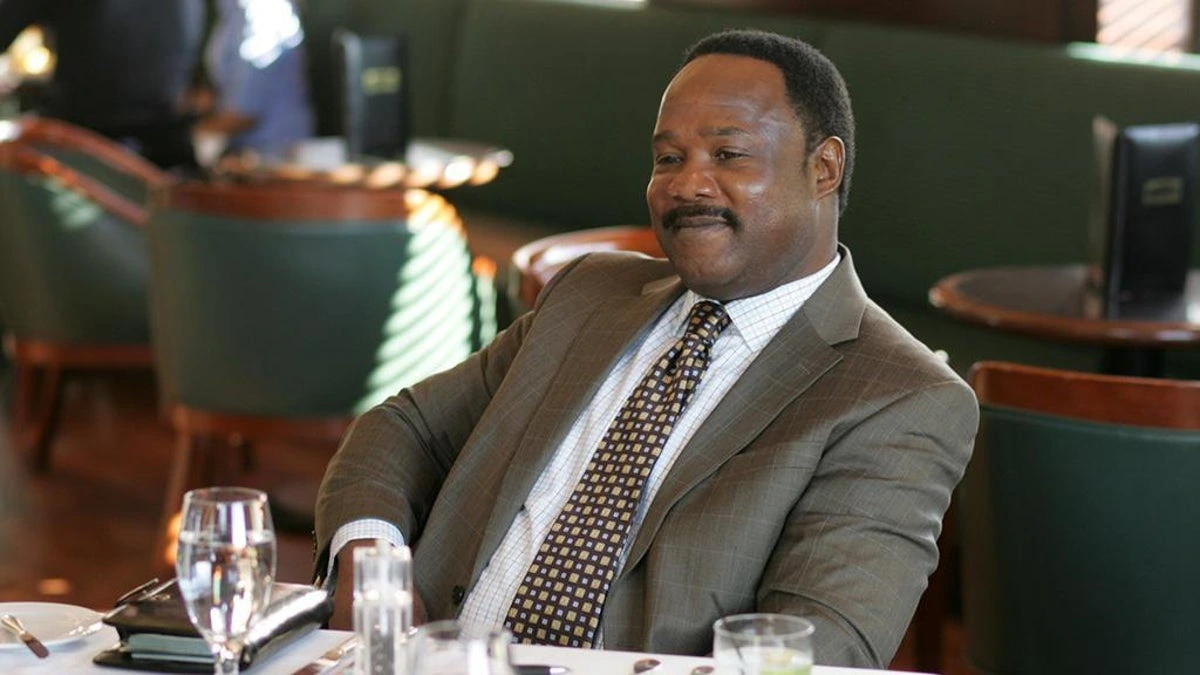
Isiah Whitlock Jr. dies at seventy one after a short illness, marking the loss of a character actor whose work helped define modern American television and film.
Best known for his role as the corrupt but charismatic state senator Clay Davis on HBO’s The Wire, Whitlock built a decades long career that bridged stage, television and cinema, earning respect across the industry for his versatility and discipline.
His manager, Brian Liebman, confirmed Whitlock’s death on Tuesday, saying the actor died peacefully.
The news resonated across the entertainment world, particularly among creators and audiences shaped by the realism driven television era that The Wire helped pioneer.
Born Sept. fourteen, nineteen fifty-four, in South Bend, Indiana, Whitlock trained in theater before transitioning to screen roles in the late nineteen eighties.
Early television appearances included Cagney & Lacey, followed by steady work that reflected the slow building path common to many character actors.
Whitlock’s breakthrough came in two thousand two with The Wire, where his portrayal of Clay Davis offered a sharp, often unsettling look at political corruption.
The character’s cadence and language became widely recognizable, placing Whitlock among the most quoted performers of the series.
His work gained renewed attention as The Wire continued to reach new audiences through streaming. Media scholars say Whitlock’s importance lies not in leading roles but in how supporting performances shaped storytelling.
“Isiah Whitlock Jr. represented a generation of actors who made realism compelling,” said Daniel Harper, a professor of television studies at Columbia University.
“When Isiah Whitlock Jr. dies, the industry loses a performer who understood how power operates quietly, in rooms rather than speeches.”
Directors frequently cast Whitlock for roles requiring moral ambiguity. His repeated collaborations with Spike Lee, including Chi-Raq, BlacKkKlansman and Da 5 Bloods, reflected a shared interest in politically grounded storytelling.
Since its debut, The Wire has appeared on multiple lists of the greatest television series of all time and continues to rank among the most streamed legacy dramas, according to industry analytics firms.
Character actors from the series, including Whitlock, later appeared in more than one hundred major film and television productions combined.
Whitlock’s filmography spanned crime dramas, political satire and independent cinema, including Goodfellas, Pieces of April and Cocaine Bear, released in two thousand twenty three.
Such range placed him among a small group of actors who consistently moved between prestige television and studio films. Industry reaction emphasized professionalism rather than celebrity.
“He showed up prepared every day,” said Marsha Collins, a longtime casting director based in New York. “People knew they could rely on him. That matters more than fame.”
Fans also recalled his accessibility. Whitlock previously acknowledged that viewers often stopped him in public to quote his most famous line from The Wire, a testament to the cultural reach of his work.
As Isiah Whitlock Jr. dies, attention is expected to turn toward preserving his legacy through retrospectives and academic study of The Wire and Spike Lee’s film collaborations.
Industry observers say his career will continue to be cited as a model for sustainable acting work outside leading man roles.
Isiah Whitlock Jr. dies at seventy one after a career defined by consistency, realism and cultural relevance. His performances, particularly on The Wire, remain part of a broader shift toward complex storytelling in American television.
The significance of his death lies not in celebrity but in the enduring influence of work that helped reshape how stories about power and society are told.


