
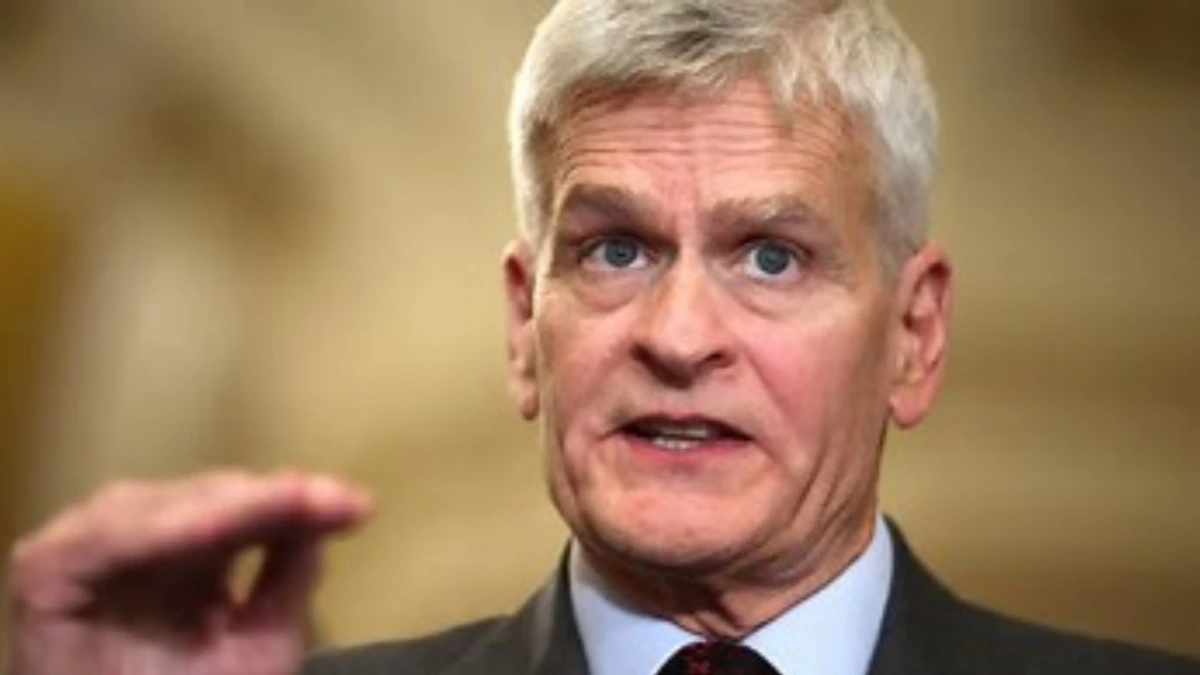
WASHINGTON — As enhanced Obamacare subsidies approach their year end expiration, two senior Senate Republicans unveiled legislation Monday that would replace the existing assistance with government funded health savings accounts, sharpening the divide between Democratic and Republican approaches to health coverage.
The proposal, led by Sen. Bill Cassidy of Louisiana and Sen. Mike Crapo of Idaho, arrives days before Democrats bring their own bill to the Senate floor seeking a three year extension of enhanced assistance under the Affordable Care Act.
The Republican plan aims to shift federal dollars away from insurers and directly to individuals, reflecting former President Donald Trump’s demand for a system that provides payments to Americans rather than underwriting health plan costs.
“Instead of one hundred percent of this money going to insurance companies, let’s give it to patients,” Cassidy said. “By giving them an account that they control, we give them the power.”
Democrats expanded Obamacare subsidies during the 2021 pandemic relief law, allowing people earning more than four times the federal poverty level to qualify for assistance for the first time.
Lawmakers added an expiration date to reduce the overall price tag, but Democratic leaders now want to remove that limit. If Congress does not act, subsidies will revert to their 2010 levels at the end of the year.
The Congressional Budget Office estimated that extending enhanced benefits for ten years would cost roughly $350 billion. Republican leaders have shown little interest in advancing a competing bill alongside the Democratic measure, despite a promise from Majority Leader John Thune to allow a vote.
Several GOP lawmakers, including Cassidy and Crapo, hope to win a change of course. Other Republican senators have floated alternatives. Sens.
Susan Collins of Maine and Bernie Moreno of Ohio proposed a two year extension of Obamacare subsidies with new income caps.
Sen. Rick Scott of Florida introduced his own “Trump Freedom Accounts” concept, a broader version of an HSA that allows funds to be used for health plan premiums.
The Cassidy Crapo bill would provide federal HSA funding to individuals earning less than seven hundred percent of the poverty level. Eligible Americans between ages eighteen and forty nine would receive $1,000 annually, while people aged fifty to sixty five would receive $1,500.
However, individuals would only qualify for the HSA funds if they purchase a bronze tier or catastrophic plan through an Affordable Care Act marketplace. Bronze plans generally offer lower monthly premiums but significantly higher out of pocket costs.
The average deductible for a bronze plan was about $7,000 last year, according to the nonprofit KFF. Health policy analyst Dana Leclerc, a former federal exchange adviser, said the GOP proposal “moves toward consumer control but also introduces financial risk.”
“Bronze plans are affordable upfront, but the deductible burden can be severe for families,” Leclerc said. “Redirecting Obamacare subsidies into HSAs may appeal to younger, healthier buyers but could expose others to substantial medical bills.”
The debate centers on the long-term cost and structure of federal help. Enhanced Obamacare subsidies have reduced average marketplace premiums for millions of Americans.
Reverting to earlier subsidy levels could leave many middle income consumers facing significantly higher monthly costs.
A recent analysis from the Urban Institute projected that enrollment on federal exchanges could fall by more than two million if enhanced subsidies lapse, although estimates vary by state.
For Republicans, the HSA approach offers a smaller fiscal footprint. The Cassidy Crapo model directs fixed payments to individuals rather than subsidizing premiums that fluctuate with market rates.
“It gives Congress a predictable spending line,” said Mark Ridley, a conservative budget expert at the Jefferson Policy Forum. “The challenge is whether the level of support matches the actual cost of coverage.”
Reaction among consumers has been divided, especially among those who rely on the enhanced Obamacare subsidies.
Maria Gonzales, a forty two year old retail worker in Phoenix, said an HSA would not offset rising deductibles. “A thousand dollars would help, but not enough,” she said.
“I still couldn’t afford a $7,000 deductible if something serious happened.” Others welcomed the idea of more control over federal assistance. Terry McKnight, a small business owner in Baton Rouge, said he prefers direct payments.
“If the government is spending the money anyway, I’d rather choose how to use it,” he said. “The current system feels like it benefits insurers more than people.”
The Democratic extension bill is not expected to reach the sixty votes required for passage. Republican leaders have also signaled reluctance to bring competing proposals to the floor, leaving the fate of Obamacare subsidies uncertain as deadlines approach.
Analysts expect negotiations to intensify in early January as lawmakers face pressure from constituents and insurers preparing 2026 rate filings.
“Both parties are positioning for a broader health care debate next year,” said Sara Welch, a senior fellow at the Center for Health Policy Leadership. “Whether any compromise emerges this month remains unclear.”
As Congress weighs starkly different approaches to expiring Obamacare subsidies, the gap between the parties reflects deeper philosophical divides over how federal dollars should support health insurance.
Whether lawmakers extend current assistance, shift to HSA based support or allow benefits to revert to earlier levels, millions of Americans may see changes in what they pay for coverage in the coming year.


