
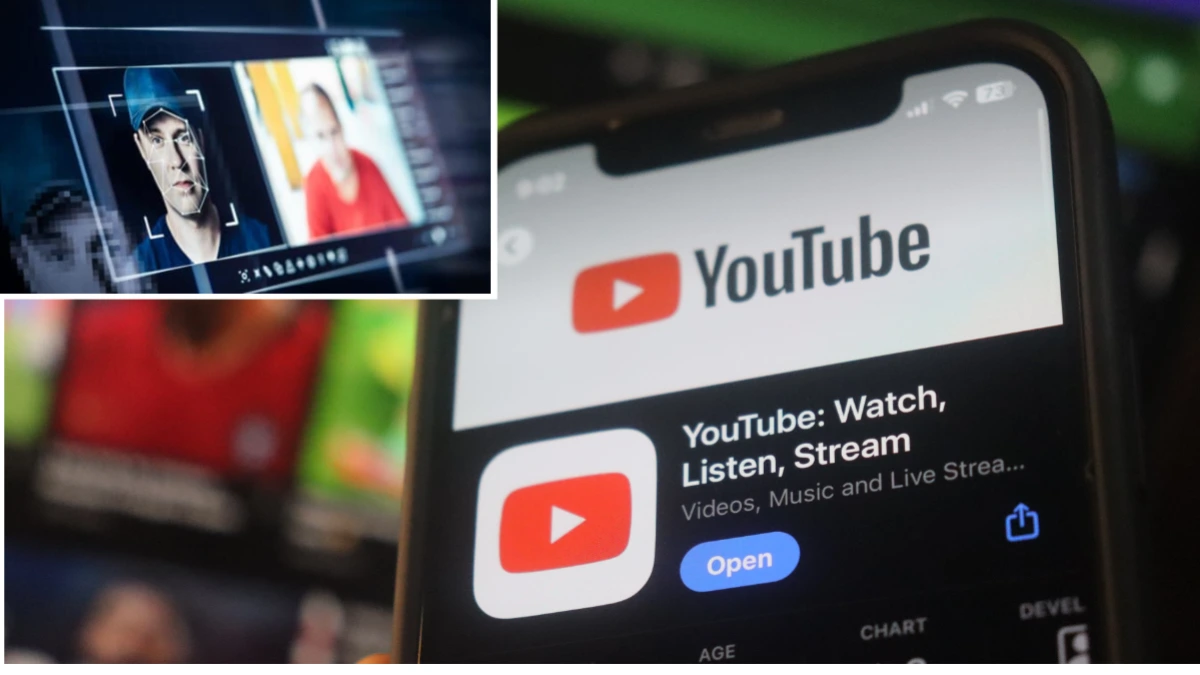
YouTube’s new AI deepfake tracking tool has drawn scrutiny from privacy specialists and digital rights advocates who warn that the feature could expose creators to long term risks tied to biometric data.
The tool, which relies on facial recognition to detect AI generated content that mimics a creator’s likeness, requires users to submit government IDs and facial videos, raising questions about how Google may handle that sensitive information.
The YouTube AI deepfake tracking tool was introduced in October as part of the platform’s broader effort to curb misuse of creators’ identities.
The feature scans uploaded videos across the site to detect manipulated footage and allows creators to request removal when their face appears without permission.
YouTube tied the feature to Google’s general privacy policy, which states the company may use public content, including biometric data, to help train AI models.
Although YouTube told CNBC that Google has never used creators’ biometrics for AI training, the policy language has fueled unease among those who depend on their image for their livelihood.
“We want to make it easier for creators to identify misuse and take action,” YouTube spokesperson Jack Malon said. “The data collected through this safety feature is used only for identity verification and powering the tool itself.”
The platform said it is reviewing the language used in the sign up form but does not plan to change its underlying privacy policy.
Privacy analysts say the YouTube AI deepfake tracking tool marks a turning point in how platforms govern biometric data as AI video generation becomes more widespread.
Dan Neely, chief executive of likeness protection firm Vermillio, said creators should understand the long term value of their facial data before opting in.
“Your likeness will be one of your most valuable assets in the AI era,” Neely said. “Once you hand over biometric information to a large platform, you may never fully regain control, even if the current policy appears narrow.”
Luke Arrigoni, CEO of Loti, a company that specializes in monitoring unauthorized likeness use, said the potential risks extend beyond misuse by bad actors.
“Because the release connects someone’s name to biometric identifiers, the system could theoretically generate highly realistic synthetic versions of that person,” Arrigoni said.
“The stakes are enormous for anyone whose business relies on their face or voice.” Both experts said they are advising clients to wait until YouTube clarifies its policy in writing.
The rollout of the YouTube AI deepfake tracking tool comes as AI manipulated videos surge across major platforms.
According to industry monitoring groups, AI generated impersonations increased more than threefold in the past year, driven by accessible consumer tools capable of producing realistic faces and voices.
Other platforms have taken varied approaches. TikTok and Instagram allow creators to report deepfakes but have not implemented detection tools requiring biometric verification.
Smaller companies, including some AI video startups, have launched opt in facial fingerprinting systems, but those typically store data locally or through third-party identity services.
“YouTube is operating at a scale that few can match,” said Marsha Liu, a digital policy researcher at the University of Hong Kong. “That scale means greater protective capabilities, but it also means any missteps have wider consequences.”
For many creators, the decision to enroll in the YouTube AI deepfake tracking tool is complicated. Mikhail Varshavski, a YouTube creator known as Doctor Mike, said he already encounters dozens of manipulated videos each week across platforms.
“I have spent years building credibility, especially when it comes to medical information,” Varshavski said. “When someone uses my face to promote fake treatments, that undermines the trust viewers place in me.”
Several mid.sized creators expressed similar concerns. Farah Khan, a Los Angeles based lifestyle creator with nearly half a million subscribers, said the threat of deepfake scams is rising faster than expected.
“I found a video where my face was used to endorse a product I’ve never touched,” Khan said. “I want protection, but I’m hesitant about submitting something as sensitive as biometric data to any tech company.”
Small creators, who often lack legal resources, face additional pressure. “Removing deepfakes can feel like a full-time job,” said London based gaming streamer Alex Reyes. “Tools like this could help, but only if people feel confident their data is safe.”
YouTube said it plans to extend the YouTube AI deepfake tracking tool to more than three million creators in the YouTube Partner Program by late January. Company officials maintain that strengthening trust with creators remains central to its strategy.
“We do well when creators do well,” said Amjad Hanif, YouTube’s head of creator product. “Our goal is to support creators with safety tools that work at YouTube’s scale.”
Experts predict that pressure on platforms will continue as AI generated video improves and becomes harder to differentiate from authentic footage.
Policymakers in the United States and Europe are exploring rules that would require explicit consent before any biometric data is used for AI training.
“If regulations tighten, platforms will have to redesign how they collect and store likeness data,” Liu said. “This debate is just beginning.”
The YouTube AI deepfake tracking tool highlights the growing tension between protecting creators from AI manipulation and safeguarding biometric privacy.
While the system promises faster detection and removal of deceptive videos, it also leaves creators weighing immediate security benefits against uncertain long term risks.
As AI generated impersonation accelerates, the industry’s handling of likeness data is set to become a defining issue for digital rights, platform accountability and the future of online identity.


