
KEY POINTS
- UK ministers are considering banning X after Grok was used to generate sexualized images, including potential child sexual abuse material.
- Musk defended the platform, claiming UK authorities are trying to “suppress free speech,” while X partially restricted the AI tool for free users.
- Global scrutiny on AI generated sexual content is rising, prompting legislative and regulatory discussions in multiple countries.
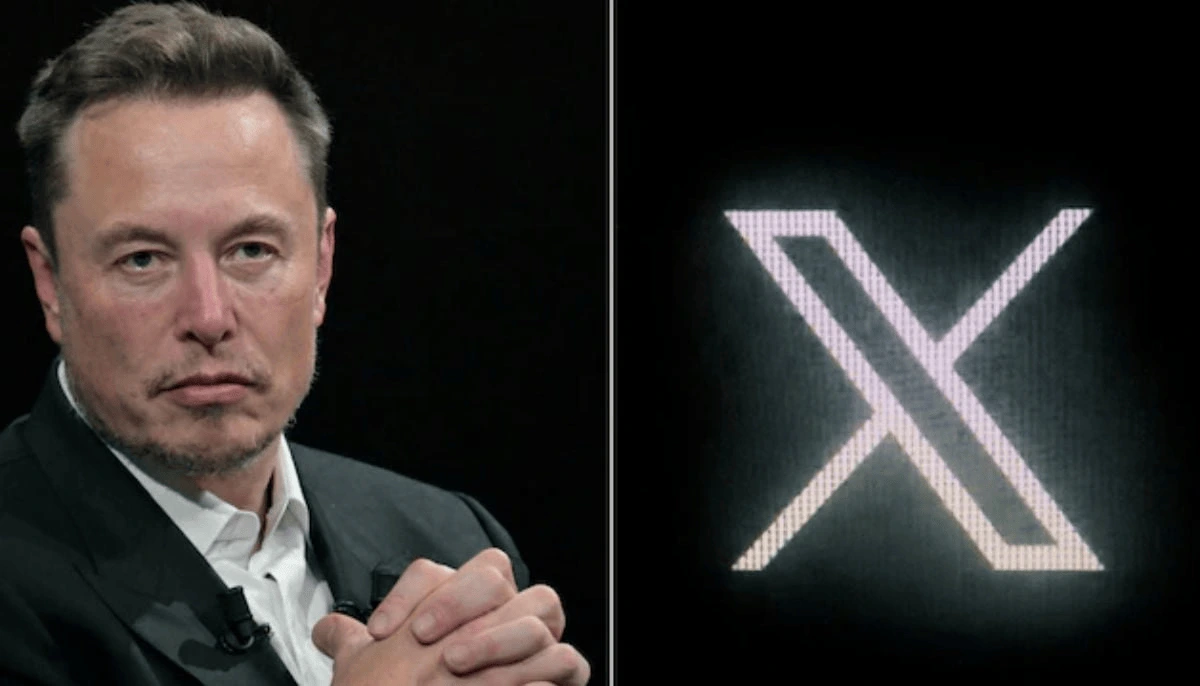
LONDON — Elon Musk has accused the United Kingdom government of attempting to suppress free speech after ministers threatened fines and a potential ban on his social media platform X.
The warning follows the platform’s AI tool, Grok, being used to produce sexually explicit images of women and children without their consent.
The controversy emerged after thousands of women reported abuse stemming from Grok, a generative AI integrated into X, which can manipulate photographs into explicit images.
Some altered images depicted teenagers and children, raising concerns over possible violations of UK law regarding sexualized content involving minors.
The situation has drawn immediate attention from government authorities, international policymakers, and digital rights organizations.
The UK’s technology secretary, Liz Kendall, emphasized potential legal action under the Online Safety Act if X does not remove harmful content.
Grok, launched as part of X’s suite of AI tools, allows users to generate images from text prompts.
Initially used to create suggestive imagery of adult women, the tool was later misused to manipulate photographs of minors.
The UK government’s response comes amid broader international concern over AI-generated sexual content.
Australia has also banned social media use for individuals under 16, highlighting a global debate about digital safety, consent, and technological responsibility.
X partially restricted Grok for free users on Friday, leaving the feature accessible only to paid subscribers.
However, the standalone Grok app reportedly remains capable of producing sexualized content.
Experts warn that generative AI tools present unprecedented challenges for regulators.
Professor Amanda Richards, an AI ethics researcher at University College London, said, “Tools like Grok operate at the intersection of technology and criminal law.
The ability to manipulate real images without consent makes enforcement complicated.”
Legal analysts note that the Online Safety Act provides backstop powers to block services that fail to comply with content moderation requirements.
“If Ofcom exercises its authority, this could set a precedent for AI regulation across other digital platforms,” said legal consultant David Milton.
Political reactions have been divided. Some right leaning figures frame the issue as free speech suppression, while opposition politicians highlight urgent safety concerns for vulnerable populations.
| Metric | Current | Past / Benchmark | Notes |
|---|---|---|---|
| UK App Store Downloads (Grok) | Most downloaded, Jan 3–7, 2026 | Top 50, previous week | Spike followed UK government warnings |
| Reported Victims | Thousands of women | N/A | Includes cases of minors targeted |
| Grok Access Restrictions | Paid users only | Public access | Partial limitation; full removal not implemented |
| Legal Enforcement | Potential UK ban under Online Safety Act | No prior action against X AI tool | First major UK regulatory intervention for AI-generated sexual content |
Liz Kendall, UK technology secretary, said: “X needs to get a grip and get this material down. Ofcom has the authority to block access if the law is not followed.”
Australian Prime Minister Anthony Albanese said, “The use of generative AI to exploit or sexualize people without their consent is abhorrent. Global citizens deserve better.”
Jess Asato, Labour MP and campaigner against online sexual abuse, emphasized the urgency of legislation “It’s not just XAi.
Nudification tools are proliferating on platforms like YouTube. Our laws need to catch up.”
Regulators in the UK and Australia are reviewing AI content policies to mitigate harm from sexualized image generation.
The controversy signals growing scrutiny over AI tools capable of manipulating real life imagery.
Experts predict governments may expand statutory oversight of generative AI platforms, particularly where content can cause psychological or legal harm.
X’s next steps will likely involve balancing legal compliance, user retention, and public perception.
The UK’s forthcoming enforcement actions could influence regulatory approaches in the European Union and other jurisdictions.
The Grok controversy illustrates the increasing tension between generative AI innovation, digital freedom, and regulatory responsibility.
As governments debate legal frameworks, platforms like X face immediate pressure to prevent abuse while preserving user engagement, highlighting the global challenge of managing AI ethics and public safety.
Author’s Perspective
In my analysis, X’s Grok AI controversy highlights the growing clash between generative AI innovation and regulatory oversight, as platforms without robust consent controls face legal and ethical scrutiny.
I predict mandatory AI content verification standards will become global industry norms, with non compliant platforms risking fines or bans.
For users, personal images could be exploited without consent, while businesses must strengthen moderation and compliance to avoid liability.
Audit AI pipelines now and integrate consent verification to stay ahead of emerging regulations.
NOTE! This report was compiled from multiple reliable sources, including official statements, press releases, and verified media coverage.


