
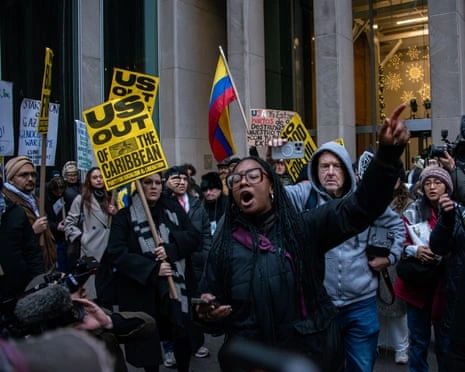
CARACAS, Venezuela (Jan. 3, 2026) — Governments around the world issued strong reactions Saturday following US military strikes in Venezuela.
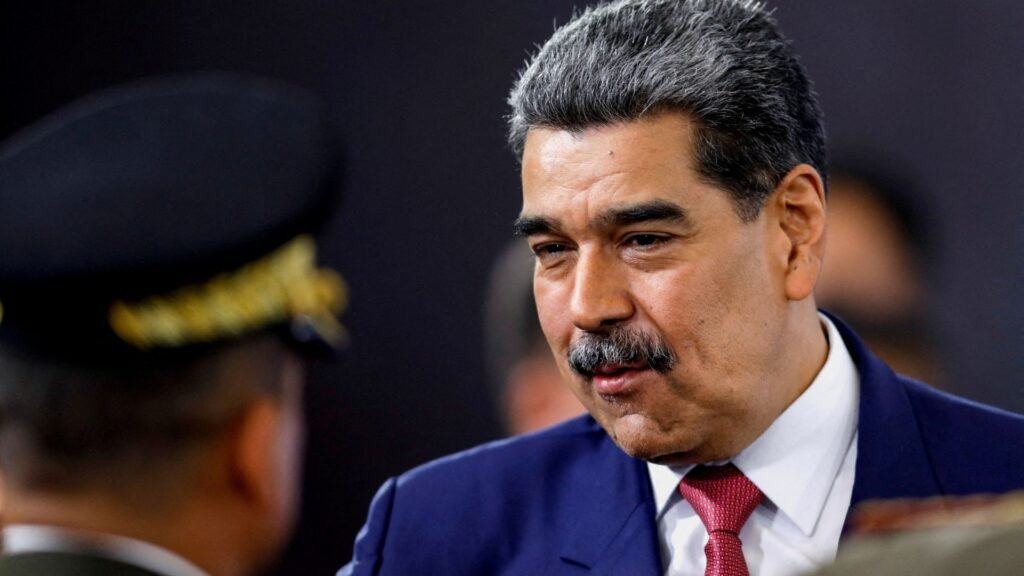
Which reportedly resulted in the capture of President Nicolás Maduro and his wife, according to US officials.
Explosions in Caracas and surrounding areas triggered panic among residents and raised urgent calls for restraint and diplomatic solutions.
Key Points
- Global criticism mounted over US military action in Venezuela, with nations emphasizing sovereignty and non intervention.
- Latin American leaders called for an emergency United Nations Security Council meeting to prevent further escalation.
- Legal experts questioned the legitimacy of the strikes under international law, highlighting potential violations of the UN Charter.
The US military strikes targeted several locations across Caracas, generating visible explosions and temporary power outages.
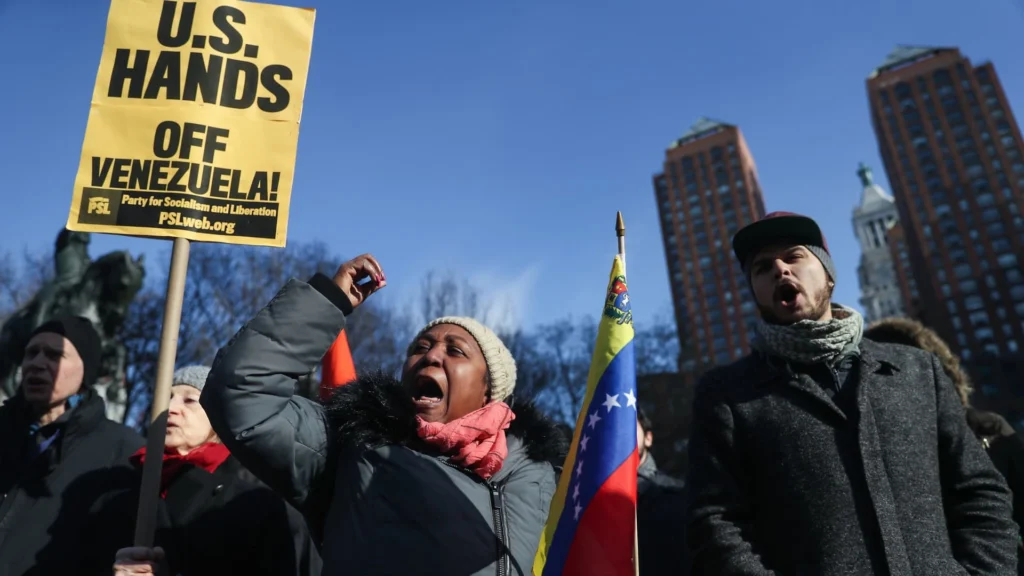
Venezuelan authorities condemned the operation as an act of “military aggression,” disputing US claims regarding Maduro’s capture. This incident represents a rare direct US intervention in Venezuela and has immediately drawn worldwide attention.
Tensions between the United States and Venezuela have been escalating over the past decade due to sanctions, alleged drug trafficking operations, and disputes over Maduro’s legitimacy.
Prior US operations, including Caribbean naval patrols and targeted sanctions, had already strained relations.
Saturday’s strikes mark a sharp escalation, drawing comparisons to historical interventions in Latin America.
International Reactions
Latin America
Colombia President Gustavo Petro condemned the attacks as a violation of Venezuelan sovereignty and called for UN Security Council action.
Chile President Gabriel Boric emphasized non intervention and urged peaceful conflict resolution.
Trinidad and Tobago Prime Minister Kamla Persad Bissessar stressed neutrality and continued peaceful relations with Venezuela.
Europe
European Union, The bloc urged all parties to follow the United Nations Charter and avoid further escalation.
Spain, Madrid offered its mediation to encourage a negotiated solution.
Germany and Italy, Leaders called for protection of civilians and emphasized diplomatic engagement over military intervention.
Middle East and Allies
Iran, Supreme Leader Ayatollah Ali Khamenei condemned the strikes, highlighting Venezuela’s right to selfBdetermination.
Russia, Moscow criticized the operation as aggression, urging dialogue and peaceful resolution.
Cuba, President Miguel Díaz Canel described the strikes as “state terrorism” and called for international condemnation.
United States
Some lawmakers questioned the legal basis for the strikes, noting the lack of congressional approval.
Legal experts emphasized that without a UN mandate or evidence of imminent threat, unilateral military action could violate international law.
Residents of Caracas described panic as explosions shook neighborhoods.
One local said families were seeking shelter and checking on relatives amid low flying aircraft and emergency sirens.
Hospitals reported increased demand due to minor injuries and stress-related incidents.
Experts note that the US strikes in Venezuela may destabilize the region and disrupt global oil supplies.
Latin American governments emphasize that unilateral military actions undermine regional stability and violate international law.
Scholars argue that claims related to drug trafficking or alleged criminal activity do not legally justify the strikes under the UN Charter.
Diplomatic engagement is expected to intensify. The United Nations and regional organizations like the Organization of American States are likely to mediate.
While nations monitor civilian safety and prevent escalation. Coordination for humanitarian relief and protection of civilians remains a top priority.
The world reacts Venezuela attack with concern, highlighting issues of sovereignty, legality, and regional peace.
Calls for dialogue and restraint demonstrate the high stakes for US Latin America relations and the rules governing international military intervention.
Author’s Perspective
In my analysis, the US strikes on Venezuela highlight a critical challenge to sovereignty and regional stability in Latin America.
I believe the strong global reactions signal growing resistance to unilateral interventions.
I predict that Latin American countries may strengthen independent security and diplomatic frameworks, reducing reliance on traditional Western powers.
Track statements from regional organizations like the Organization of American States to understand how collective responses will shape future crises.
NOTE! This report was compiled from multiple reliable sources, including official statements, press releases, and verified media coverage.


