
KEY POINTS
- Stephen Miller questioned whether agents followed guidance in the Minneapolis shooting.
- The statement contrasts with earlier claims describing Alex Pretti as an imminent attacker.
- The episode has intensified debate over federal force protection and accountability.
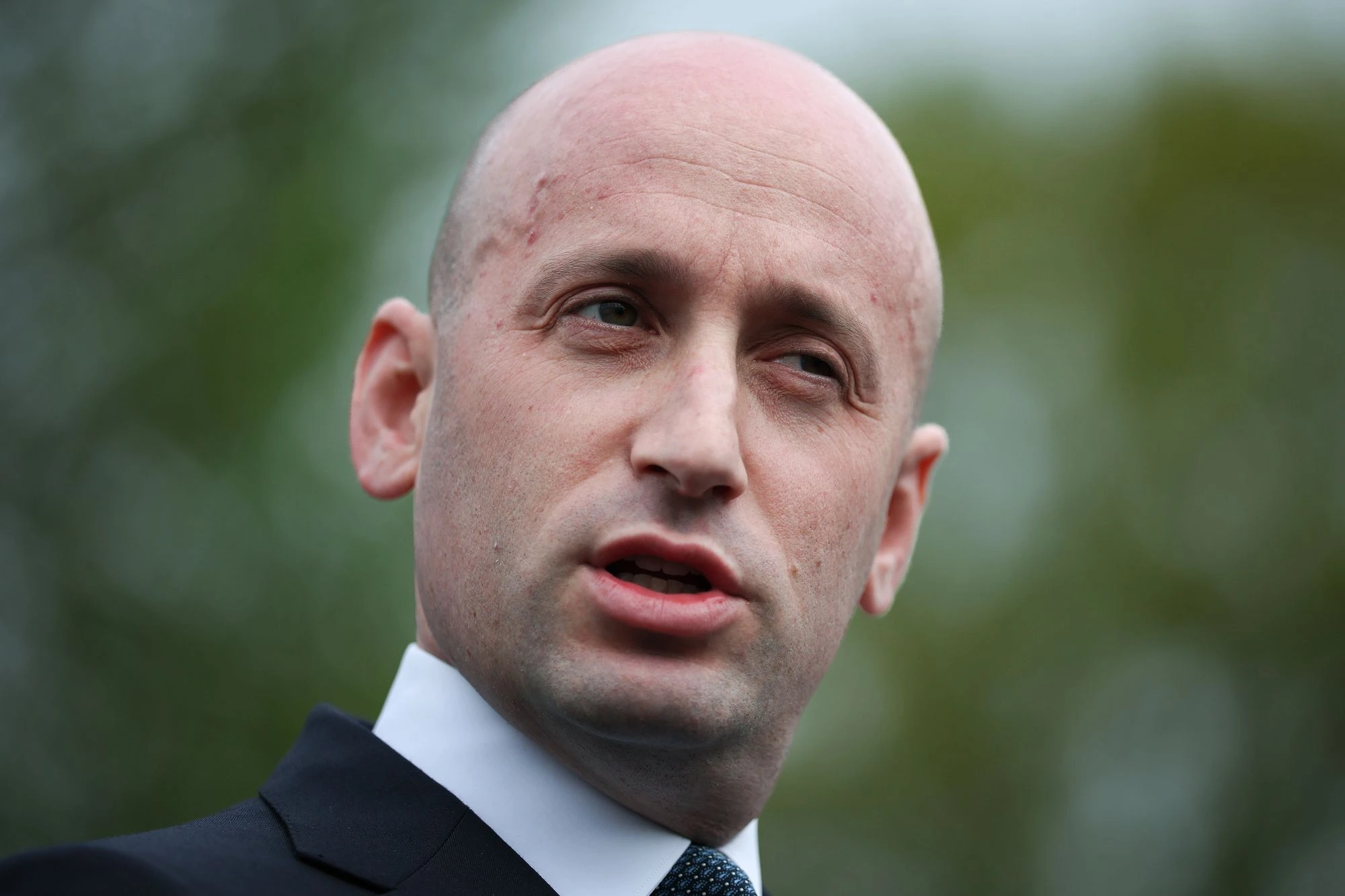
WASHINGTON — Top White House aide Stephen Miller said Tuesday that federal agents in Minneapolis “may not have been following” protocol when they shot Alex Pretti.
A marked shift from earlier administration statements that portrayed Pretti as a violent threat.
The comments follow two deadly shootings of US citizens in Minneapolis this month and renewed scrutiny of federal immigration operations there.
Miller’s comments, delivered in a statement to CNN, represent the first public acknowledgment by a senior White House official that federal actions in the Minneapolis shooting may have deviated from established procedures.
The reassessment comes amid political pressure on the Department of Homeland Security and internal changes to immigration leadership in Minnesota.
After Pretti was killed during a confrontation involving Customs and Border Protection personnel, administration officials initially characterized him as an “assassin” who intended to harm law enforcement.
Those claims were echoed by Homeland Security Secretary Kristi Noem and Border Patrol Chief Greg Bovino.
Miller, a central architect of President Donald Trump’s immigration agenda, was cited by critics for amplifying that narrative within hours of the shooting.
On Tuesday, Miller said the White House had instructed DHS that additional personnel sent to Minnesota for force protection were to be used for fugitive operations and to create physical barriers between arrest teams and potential disruptors.
He said the administration was evaluating why a CBP team “may not have been following that protocol.”
The revised tone highlights the tension between rapid public messaging after use of force incidents and later internal reviews, said Mary McCord, executive director of Georgetown University’s Institute for Constitutional Advocacy and Protection.
“Initial statements often rely on incomplete reports,” she said. “When senior officials recalibrate, it raises questions about oversight and command responsibility.”
Juliette Kayyem, a former DHS assistant secretary now at Harvard University’s Kennedy School, said Miller’s remarks suggest recognition of legal exposure.
“Acknowledging potential protocol failures is significant because it opens the door to independent investigation,” she said.
Noem defended her earlier comments Tuesday, saying she acted “at the direction of the president and Stephen,” according to people familiar with the matter.
Minnesota Sen. Amy Klobuchar said in a statement that “facts must guide accountability when federal force is used.” Minneapolis Mayor Jacob Frey said city officials are seeking clarity from federal partners.
Federal officials said reviews will assess whether force protection guidance was followed and whether disciplinary action is warranted.
DHS leadership in Minnesota has already shifted, with border czar Tom Homan taking a larger role, according to administration officials.
Miller’s acknowledgment marks a notable recalibration by the White House on the Minneapolis shooting.
As reviews proceed, the episode underscores the stakes of accurate public statements and the long-term implications for federal law enforcement operations and trust.
Author’s Perspective
In my analysis, the White House’s recalibration on the Minneapolis shooting reflects a broader challenge in federal operational oversight, where rapid response protocols clash with political messaging.
From a strategic perspective, this signals heightened scrutiny on DHS accountability and force deployment, particularly amid polarized national discourse.
I predict that Congress will push for codified federal force protection standards, including mandatory real time reporting for high risk operations, reshaping DHS operational audits.
For citizens and local authorities, this means greater transparency and clearer channels for reporting federal interventions. Professionals should monitor DHS policy bulletins and oversight reports to anticipate compliance shifts.
NOTE! This report was compiled from multiple reliable sources, including official statements, press releases, and verified media coverage.


