
SUMMARY
- Trump Fort Bragg visit underscored administration focus on military readiness and troop morale.
- Remarks connected military operations, domestic politics and ongoing federal budget standoff.
- Event highlighted strategic role of North Carolina installations in global force projection.
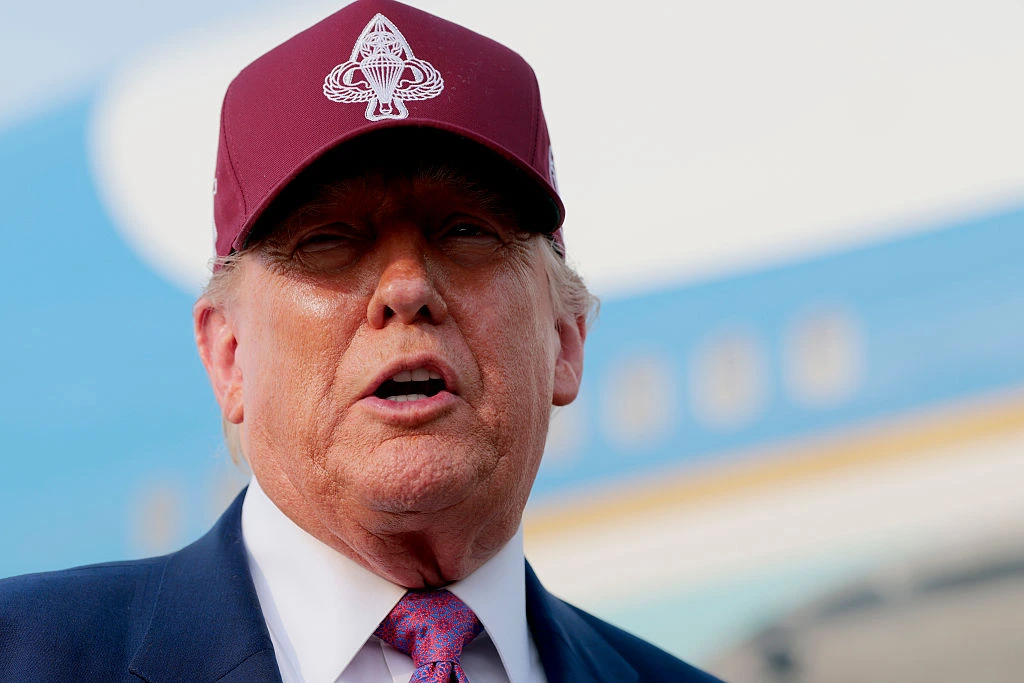
Donald Trump addressed soldiers at Fort Bragg in North Carolina on Friday during a high profile military engagement that blended troop recognition, political messaging and national security context as lawmakers faced a looming federal funding lapse.
The Trump Fort Bragg visit marked his second appearance this year at the installation, home to airborne and special operations forces central to US rapid response missions.
He praised service members, promoted economic performance and emphasized recent military actions overseas.
The visit came as Washington faced a partial government shutdown risk and debates intensified over immigration enforcement funding tied to the Department of Homeland Security.
Melania Trump opened the event, thanking troops and marking Valentine’s Day before introducing the president. Republican lawmakers including Ted Budd and Richard Hudson attended.
Trump invited Michael Whatley, a former Republican National Committee chair running for the Senate seat held by Thom Tillis.
Officials said the Trump Fort Bragg visit also recognized troops linked to Operation Absolute Resolve, a mission US authorities said resulted in the capture of Nicolás Maduro, Venezuela’s president following the death of Hugo Chávez.
Peter Feaver, professor of political science at Duke University, said presidential visits to combat units reinforce civilian leadership ties.
“They signal institutional respect and help sustain morale during operational uncertainty,” he said. Kori Schake, senior fellow at the American Enterprise Institute, said the Trump Fort Bragg visit also carried political significance as shutdown negotiations stalled.
“Military audiences provide symbolic legitimacy, especially when national security and domestic policy debates intersect,” Schake said.
Col. John Smith, a spokesperson for the XVIII Airborne Corps, said service members valued direct engagement with civilian leadership.
“Opportunities to hear from the commander in chief reinforce our mission clarity and commitment,” Smith said.
North Carolina Rep. Brad Knott said the Trump Fort Bragg visit reflected the state’s central role in national defense.
“Our installations support critical missions that protect US interests worldwide,” Knott said.
The White House said engagements with military communities will continue as operational demands evolve.
Congressional negotiations over Homeland Security funding remain unresolved, leaving uncertainty around federal operations.
Analysts said continued presidential outreach could shape civil military relations and reinforce institutional continuity regardless of political developments.
The Trump Fort Bragg visit underscored the installation’s enduring role in US defense strategy while highlighting intersections between military recognition.
Domestic politics and national security policy during a period of fiscal uncertainty and international operational focus for policymakers and military leaders globally and tomorrow.
NOTE! This article was generated with the support of AI and compiled by professionals from multiple reliable sources, including official statements, press releases, and verified media coverage. For more information, please see our T&C.


