
KEY POINTS
- An international Board of Peace was launched with 59 participating leaders to address the Gaza conflict.
- Major global powers, including Russia, UK, Canada, and China, have withheld membership, citing legal, strategic, and procedural concerns.
- Trump emphasized collaboration with the United Nations, though the board’s mandate could influence existing multilateral peace structures.
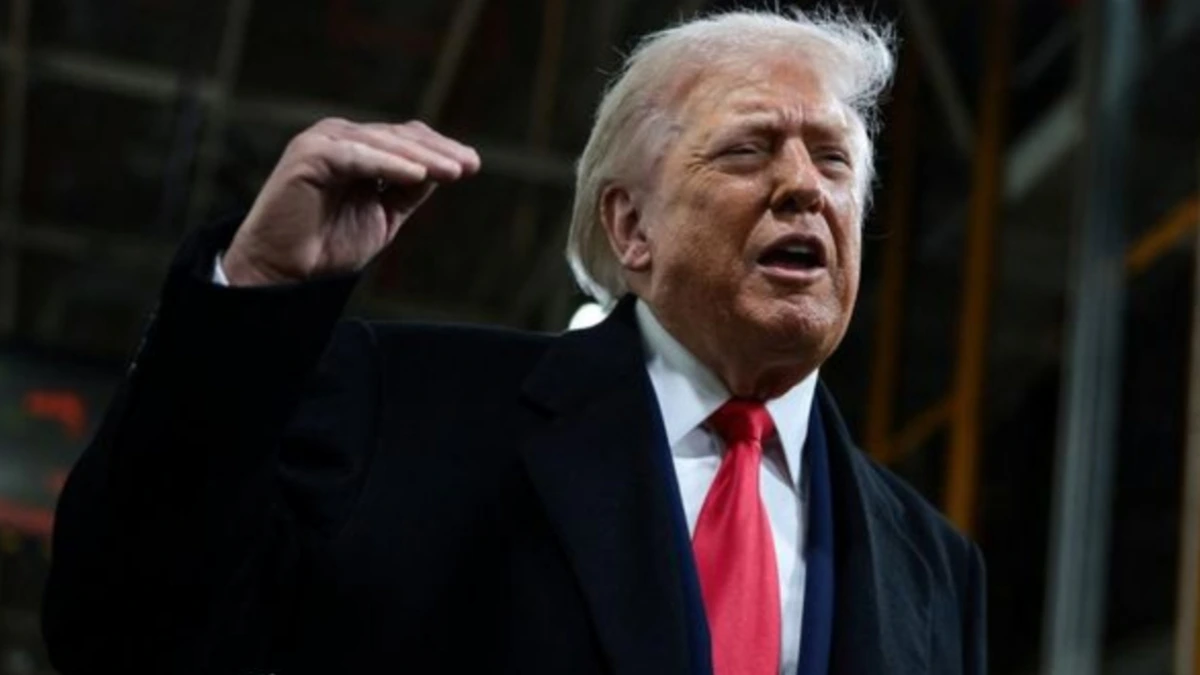
DAVOS, Switzerland — Former US President Donald Trump unveiled an international Board of Peace on Thursday, bringing together 59 world leaders to pursue a structured agreement aimed at stabilizing Gaza.
The announcement came during a formal ceremony at the World Economic Forum in Davos, where Trump described the initiative as a global effort coordinated alongside the United Nations.
“Once this board is completely formed, we can do pretty much whatever we want to do,” Trump said in a statement. “And we’ll do it in conjunction with the United Nations. This isn’t the United States, this is for the world.”
The board is intended to serve as a diplomatic forum to advance peace in Gaza and potentially expand to other international conflicts if successful.
However, several major powers, including Russia, the United Kingdom, Canada, China, Norway, Sweden, and France, have not joined the initiative.
Trump’s announcement in Davos signals a private-led international attempt to influence one of the world’s most intractable conflicts.
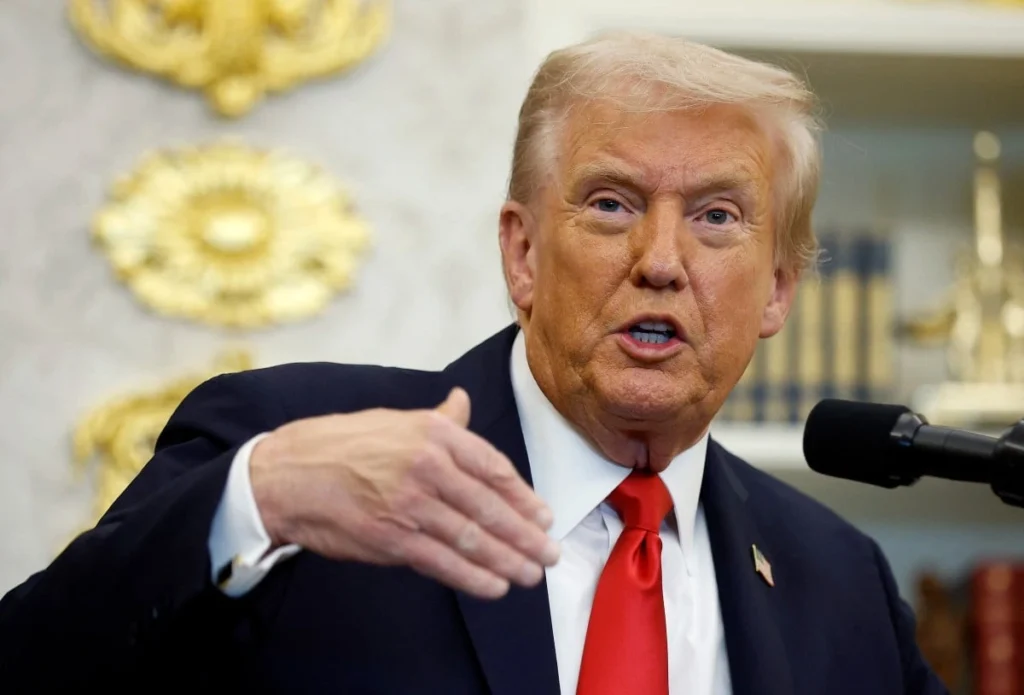
By convening political figures outside traditional UN channels, the board represents a hybrid approach to diplomacy that blends state led negotiations with multilateral oversight.
Gaza has experienced recurring cycles of conflict since 2007, with ceasefires frequently breaking down due to political, territorial, and humanitarian disputes.
Previous international efforts, including UN sponsored negotiations and Egypt led mediation, have failed to produce durable solutions.
Trump’s board introduces a new framework focused on concentrated leadership and flexible policy execution, potentially bypassing some of the procedural constraints of conventional multilateral forums.
Political analysts note that the absence of Russia and Western European powers could limit the board’s influence.
“The initiative could provide a faster operational channel, but its effectiveness will depend on buy in from the key regional and global stakeholders who are currently observing from the sidelines,” said Nadia El-Amin, a senior researcher at the International Peace Institute.
Legal experts also highlight challenges in reconciling board decisions with existing international law frameworks.
“Without explicit alignment with UN resolutions and Security Council mandates, the board risks conflicts in authority,” said Michael Chen, a professor of international law at Georgetown University.
“Any platform that encourages dialogue is positive, but it must include all relevant parties to be credible,” said Youssef Haddad, a Gaza based humanitarian coordinator.
A European diplomat, speaking on condition of anonymity, noted, “The board could complement UN efforts if structured correctly, but there are legitimate concerns about bypassing established multilateral mechanisms.”
The board plans to convene its first formal session within the next quarter. Observers expect initial discussions to focus on humanitarian corridors, ceasefire monitoring, and reconstruction aid.
Legal ratification processes in member states are ongoing, which could shape the board’s capacity to act quickly.
Trump’s Board of Peace introduces a new diplomatic forum seeking tangible progress in Gaza while operating alongside existing UN mechanisms.
Its success will hinge on reconciling participation gaps, legal frameworks, and regional buy in.
In my analysis, Trump’s Board of Peace signals a shift toward hybrid diplomacy where private led initiatives complement traditional UN mechanisms, reflecting growing frustration with conventional multilateral grids.
I predict that regional peace frameworks will increasingly leverage flexible governance structures, prompting at least one major nation to formalize parallel diplomatic channels outside the UN.
For citizens and NGOs in Gaza, this could accelerate humanitarian delivery and ceasefire enforcement. Monitor board communiqués for funding allocations and policy shifts impacting local aid distribution.
NOTE! This report was compiled from multiple reliable sources, including official statements, press releases, and verified media coverage.
Adnan Rasheed, Lead Research Analyst


