
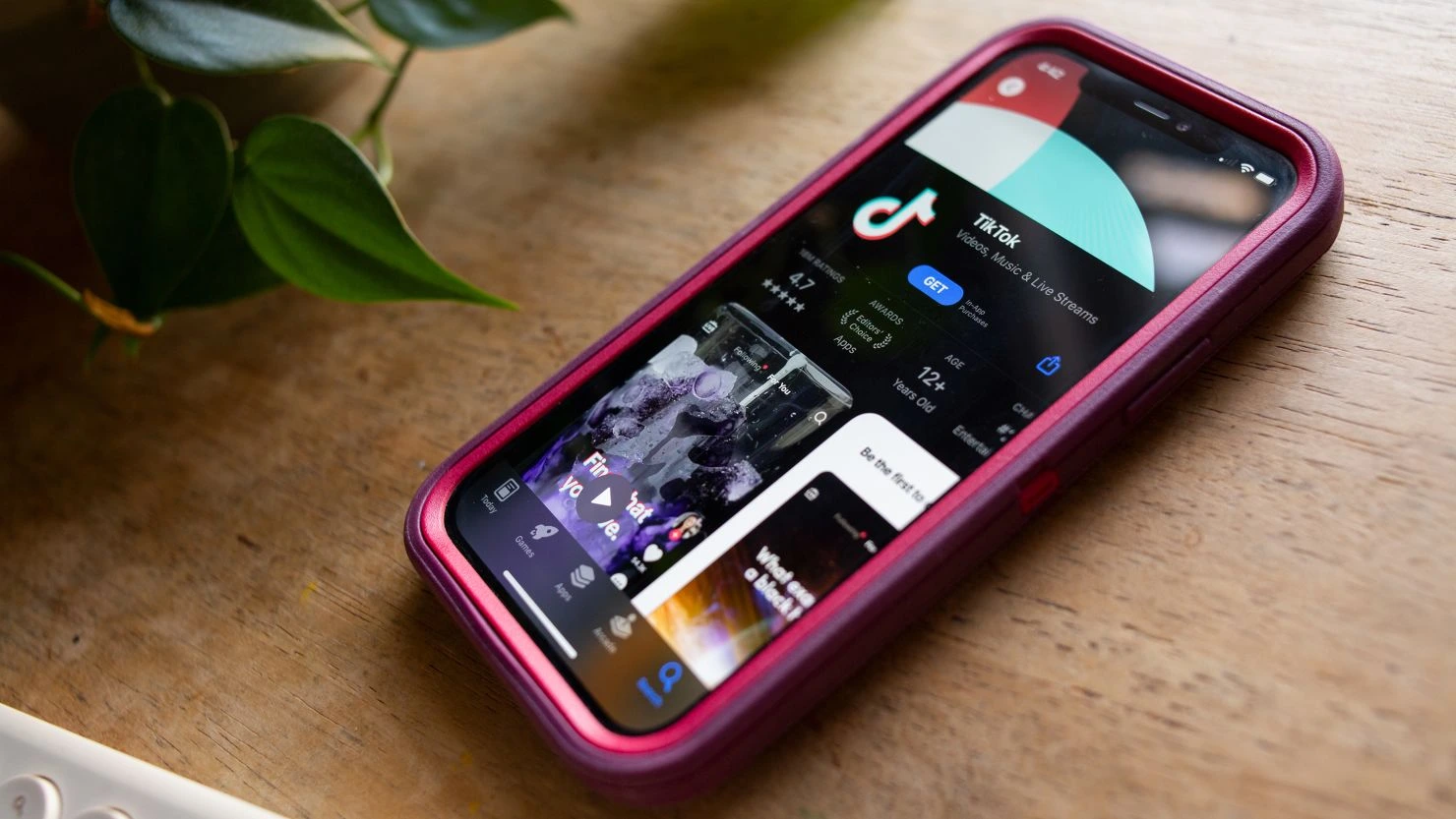
TikTok has signed agreements to spin off its US operations into a new entity controlled by a group of mostly American investors, a move aimed at complying with a federal law that threatens to ban the app if it remains under Chinese ownership.
TikTok CEO Shou Chew informed employees of the development in a memo Thursday, saying the transaction is not yet complete but represents a major step toward securing the platform’s future for more than one hundred seventy million users in the United States. The memo was obtained by CNN and confirmed by a person familiar with the matter.
The TikTok US spin off deal is backed by President Donald Trump and follows months of negotiations involving US officials, investors and the app’s Chinese parent company, ByteDance.
The agreement stems from a law passed last year requiring ByteDance to divest roughly eighty percent of TikTok’s US assets to non Chinese investors or face a nationwide ban.
The law officially took effect in January, though enforcement was repeatedly delayed by Trump through executive orders as his administration pursued a negotiated sale.
In September, the White House announced it had reached a framework agreement with China to allow the transfer of control of TikTok’s US operations to American investors.
Trump later signed an executive order declaring the deal a qualified divestiture and granting a one hundred twenty day delay in enforcement to allow the transaction to close.
“We have signed agreements with investors regarding a new TikTok U.S. joint venture,” Chew wrote in his memo. “This enables over one hundred seventy million Americans to continue discovering a world of endless possibilities as part of a vital global community.”
Chew added that ByteDance and TikTok had agreed to the deal’s terms and were working toward a target closing date of Jan. twenty two, twenty twenty six.
Legal and technology experts said the TikTok US spin off deal represents one of the most complex restructurings ever attempted by a global social media company.
“This is not a simple sale of assets,” said Laura Chen, a technology policy analyst at the Atlantic Digital Forum. “It is a partial divestiture that attempts to balance US national security concerns with China’s restrictions on exporting sensitive technology, including algorithms.”
Chew’s memo stated that the new US entity will retrain TikTok’s recommendation algorithm using US user data. Oracle will oversee data storage for American users, a safeguard previously outlined by White House officials.
However, ByteDance’s global TikTok organization is expected to continue managing e-commerce, advertising and marketing operations, a structure analysts say could invite further scrutiny from regulators.
TikTok has more than one hundred seventy million users in the United States, according to company figures, making it one of the country’s most widely used social media platforms.
By comparison, Instagram reports roughly one hundred forty million US users, while Snapchat has about one hundred million.
The law targeting TikTok reflects broader concerns in Washington about data security and foreign influence. Similar restrictions have been imposed on Chinese owned apps in India and several European countries, though none match the scale of the US market.
“The stakes here are enormous,” said Mark Feldman, a former US trade official. “This deal, if completed, could become a template for how the US handles foreign owned technology platforms in the future.”
Among TikTok creators, reactions were cautious but hopeful. “I make my living on TikTok, so any news that keeps the app running in the US is a relief,” said Jasmine Lopez, a small business owner in Phoenix who sells handmade jewelry through the platform.
“But until it’s finalized, there’s still uncertainty.” Some users expressed concern about how the changes might affect content moderation and user experience.
“I just hope it doesn’t change the way the app feels,” said Kevin Marshall, a college student in Ohio. “People are here for creativity, not politics.”
Despite the signed agreements, the TikTok US spin off deal still faces significant hurdles. Approval from Chinese authorities is required before closing, and Beijing has not publicly confirmed its support.
Asked Friday whether China had approved the deal, Chinese Foreign Ministry spokesperson Guo Jiakun referred questions to “competent Chinese authorities,” reiterating that China’s position on TikTok remains “consistent and clear.”
Regulatory approvals in both countries are also pending, and any delays could push the transaction beyond its planned timeline.
TikTok’s agreement to spin off its US operations marks a pivotal moment in a long-running standoff between Washington and one of the world’s most influential social media platforms.
While the deal moves TikTok closer to compliance with US law, its final outcome will depend on regulatory decisions, international approvals and the ability of all parties to bridge political and legal divides.


