
KEY POINTS
- A Leonardo booking system outage disrupted reservations and check in at Russian airlines.
- The transport ministry said flights were canceled and schedules adjusted nationwide.
- Rostec said the problem originated at Sirena Travel, the system’s provider.
Russian airlines canceled and delayed flights Monday after a nationwide outage of the Leonardo booking system disrupted reservations and departures across the country, prompting an investigation by transport authorities, officials said.
The Leonardo booking system outage briefly paralyzed core airline operations in Russia, affecting ticketing, check in and flight scheduling for multiple carriers.
The disruption underscored the aviation sector’s dependence on centralized digital infrastructure at a time when airlines already face operational strain from sanctions and heightened cybersecurity risks.
The transport ministry said the outage occurred Monday morning and affected airlines using the Leonardo platform.
A domestic reservation and passenger service system widely adopted after foreign software providers exited the Russian market.
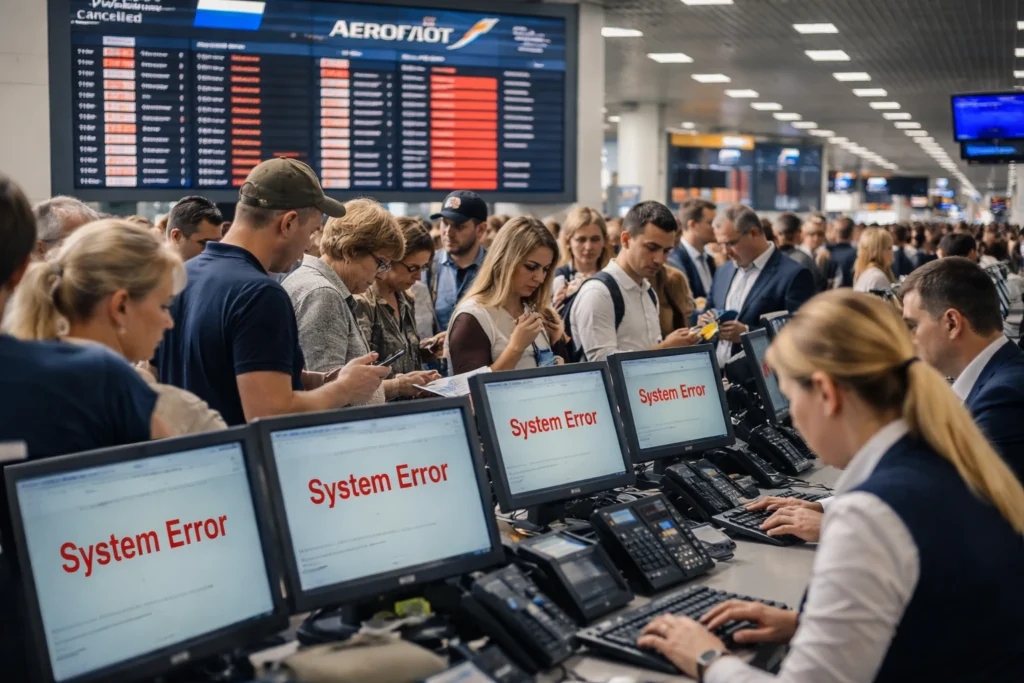
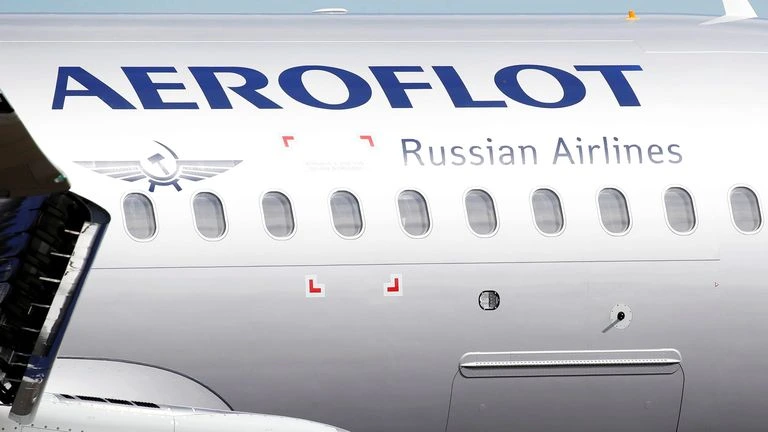
All major carriers, including Aeroflot, warned passengers of possible delays and cancellations earlier in the day.
The ministry said the system was later restored and that officials would meet to assess the cause and limit passenger disruption.
Leonardo is operated by Sirena Travel, a Russian technology company specializing in airline distribution systems.
State industrial conglomerate Rostec, which holds a stake in Sirena Travel, said the outage was caused by an internal technical failure and not by external interference. The ministry did not disclose how many flights or passengers were affected.
Alexei Sinitsyn, a former aviation IT consultant and lecturer at the Moscow Aviation Institute, said centralized booking systems create single points of failure.
“When one platform handles reservations, check in and passenger data, even a short outage can cascade quickly through airline operations,” Sinitsyn said.
Elena Krylova, an analyst at the Higher School of Economics’ Center for Transport Policy, said the Leonardo booking system outage highlights structural vulnerabilities.
“Russia’s aviation sector accelerated software substitution after sanctions. Reliability and redundancy are now critical issues, not just technological choices,” she said.
| Indicator | Monday Outage | July Cyberattack |
|---|---|---|
| Primary Cause | Internal technical failure | External cyberattack |
| System Affected | Leonardo booking system | Aeroflot IT systems |
| Scope | Multiple airlines nationwide | Single carrier (Aeroflot & subsidiaries) |
| Official Attribution | Sirena Travel | Ukrainian hacking groups |
The transport ministry said officials would “analyze what happened and minimize the impact on passengers.” Rostec said service was restored and that engineers were reviewing safeguards.
Aeroflot said earlier that schedule changes were possible and advised passengers to monitor updates.
A senior manager at a regional airline, who spoke on condition of anonymity because they were not authorized to comment publicly, said even brief outages disrupt crew planning and airport coordination.
“Passengers see cancellations, but behind that are dozens of linked systems,” the manager said.
The ministry said it plans to review technical resilience requirements for airline booking platforms.
Industry analysts expect closer scrutiny of redundancy, backup systems and incident response protocols following the Leonardo booking system outage.
While operations resumed, the disruption added to concerns about digital resilience in Russian aviation.
The Leonardo booking system outage showed how technical failures can ripple quickly through air travel, reinforcing the need for stronger safeguards as airlines rely more heavily on domestic platforms.
Author’s Perspective
In my analysis, the Leonardo booking system outage reflects a deeper structural risk created by Russia’s rapid pivot to domestically built aviation IT after sanctions, where speed of substitution has outpaced system redundancy.
I predict mandatory multi platform reservation backups and tighter state oversight of airline IT resilience will become a regulatory standard. For passengers, this directly affects travel certainty and trust.
NOTE! This report was compiled from multiple reliable sources, including official statements, press releases, and verified media coverage.


