
Key Takeaways
- Robert Mueller’s death marks the passing of a central figure in modern US law enforcement
- As FBI director, Mueller reoriented national security priorities after 9/11
- His special counsel probe into Trump and Russia defined a major political era
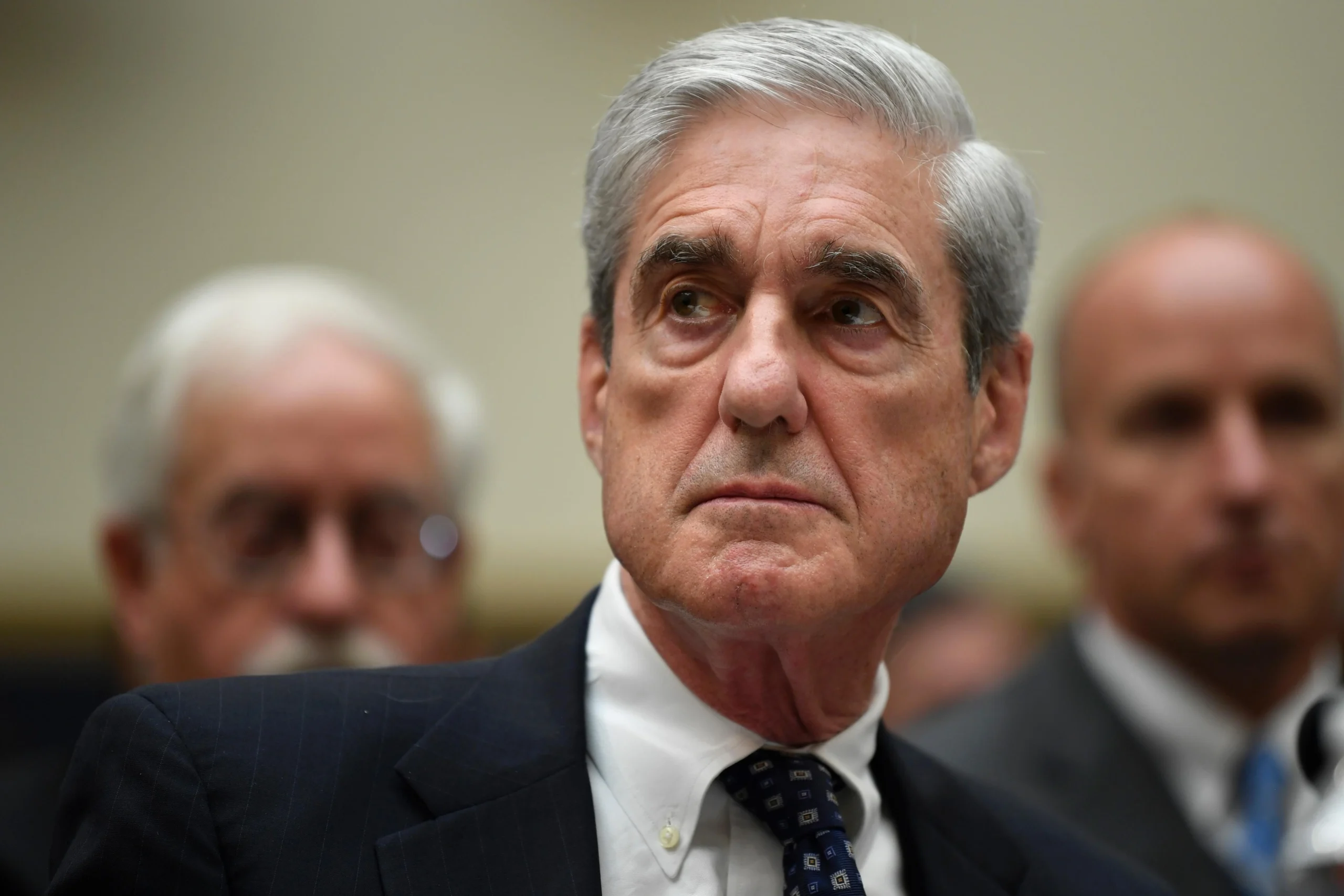
WASHINGTON — Robert S. Mueller III, the longtime FBI director who reshaped US counterterrorism policy after the Sept. 11 attacks and later led the Russia investigation into Donald Trump’s 2016 campaign, has died at age 81, his family said Saturday.
Mueller’s career spanned decades of public service, culminating in roles that placed him at the center of two defining crises: global terrorism and alleged foreign election interference. His leadership continues to shape US intelligence and justice institutions.
Nominated by George W. Bush in 2001, Mueller began leading the FBI just one week before the Sept. 11 attacks. The bureau’s mission shifted rapidly from traditional crime solving to preventing terrorism.
Mueller served 12 years, an unusually long tenure across administrations from both political parties.
He later returned to public service as special counsel, overseeing a high profile investigation into Russian interference in the 2016 election and potential links to the Trump campaign.
“Mueller institutionalized intelligence-sharing in ways that endure today,” said David Kris, former assistant attorney general for national security at the US Department of Justice.
“He brought prosecutorial discipline to politically sensitive investigations,” said Susan Hennessey, a senior fellow at the Brookings Institution.
“His leadership after 9/11 helped redefine federal law enforcement priorities,” said Christopher Wray, current FBI director.
“Mueller’s work set standards for independence in federal investigations,” said Jeh Johnson, former Homeland Security secretary.
Mueller’s legacy is expected to influence ongoing debates over intelligence oversight, prosecutorial independence and election security frameworks.
Robert Mueller’s death closes a chapter in US legal history, leaving behind institutional reforms that continue to shape national security and federal investigations worldwide.
NOTE! This article was generated with the support of AI and compiled by professionals from multiple reliable sources, including official statements, press releases, and verified media coverage. For more information, please see our T&C.


