
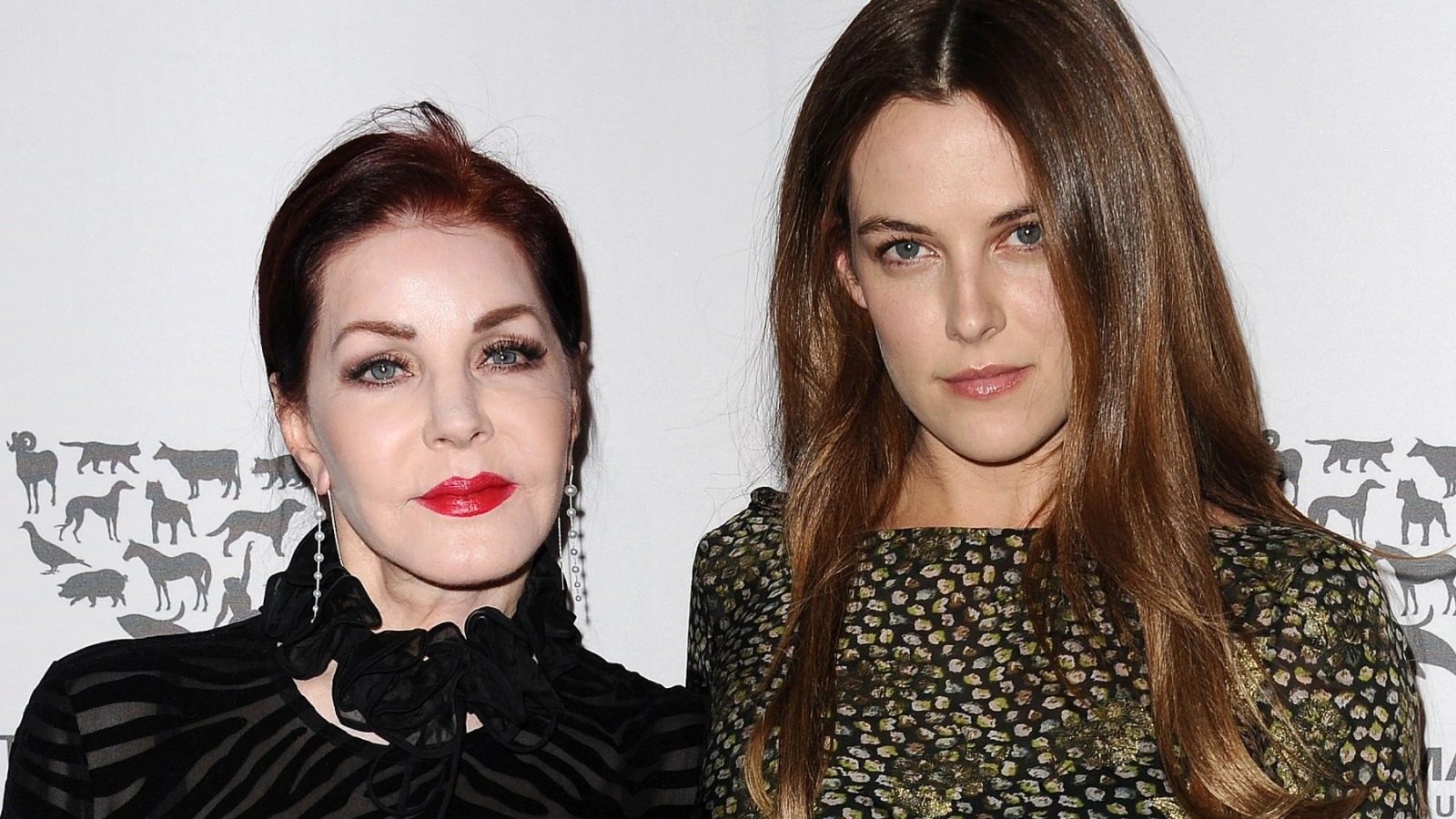
Los Angeles – Lawyers representing Priscilla Presley have strongly rejected recent allegations made by her former business associates, calling claims about her family “outrageous” and unrelated to ongoing litigation involving Presley’s estate.
The dispute centers on an amended complaint filed last week in Los Angeles Superior Court. The lawsuit, filed Dec. 16 and obtained by USA TODAY on Dec. 17, names Brigitte Kruse and Kevin Fialko as plaintiffs.
They allege that they were “on call 24/7 and were never paid for any of their services” while managing personal and business affairs of Presley’s son, Navarone Garibaldi Garcia.
The plaintiffs also claim Garcia severed his working relationship with Presley, intensifying tensions within the Presley family.
In a statement to TMZ, Priscilla Presley’s attorneys Marty Singer and Wayne Harman criticized the claims, saying they inflicted unnecessary pain on Presley and her relatives.
“After losing motion after motion in this case, and unsuccessfully seeking to have Presley’s counsel of record, Marty Singer, disqualified from representing her in this matter.
Brigitte Kruse, Kevin Fialko, and their co-conspirators have demonstrated that there is no bar too low, no ethical line that they are unwilling to cross in an effort to cause further pain to Priscilla Presley and her family,” the statement said.
Kruse and Fialko, in a 65 page amended complaint, outlined their alleged responsibilities in handling Garcia’s personal and business dealings, including negotiating financial matters within the Presley estate.
They claimed that immediately following Lisa Marie Presley’s death, family members sought control of the estate and payouts, using the plaintiffs as mediators and negotiators.
The lawsuit also contained a highly unusual allegation involving Lisa Marie Presley’s late husband Michael Lockwood and actress Riley Keough, Presley’s daughter.
Kruse claimed Lockwood told her that he had arranged for Keough to donate eggs to actor John Travolta and the late Kelly Preston in 2010 in exchange for money and a vintage Jaguar.
Presley’s lawyers called this claim “completely improper” and unrelated to the case. “The conduct of Kruse, Fialko, and their new lawyers, who are on their fourth set of attorneys, is shameful and it absolutely will be addressed in court,” Singer and Harman said.
Legal experts say the case illustrates the challenges of estate litigation involving high profile families.
“Lawsuits like this often mix legitimate business claims with sensational allegations, which can complicate proceedings and attract intense media scrutiny,” said attorney Emily Vargas, a Los Angeles based estate law specialist.
Vargas added that courts generally focus on contractual obligations and documented agreements, making claims involving unrelated third parties difficult to substantiate.
Entertainment law analyst Robert Klein noted that the involvement of celebrities’ families can make disputes more contentious.
“When estates of famous figures are at stake, every claim gets magnified. Allegations that are unrelated to the estate, like those involving Riley Keough, can be dismissed quickly by a judge, but they still generate public attention,” Klein said.
According to court records, Presley family estate disputes have involved multiple claims over the last decade, often with former associates seeking compensation for services rendered.
Public filings indicate that between 2015 and 2025, at least four lawsuits were filed by individuals claiming unpaid work or mediation services connected to the Presley estate.
However, legal observers note that most of these suits are settled confidentially or dismissed before trial. Fans and entertainment insiders expressed mixed reactions to the latest developments.
Social media accounts supporting the Presley family have condemned the allegations as “baseless and exploitative,” while some legal commentators argued that the plaintiffs have a right to pursue unresolved compensation claims.
Los Angeles based legal scholar Dr. James Fields emphasized the need for factual evidence over sensational claims.
“Courts are designed to separate provable facts from gossip or hearsay. Allegations involving Riley Keough or other third parties will likely be scrutinized for relevance and credibility,” Fields said.
Court observers predict that the case could continue through 2026, with potential motions to dismiss or limit irrelevant claims.
Presley’s attorneys have indicated that they will challenge the inclusion of the allegations regarding Keough and other family members as unrelated to the main lawsuit.
Legal analysts say the outcome may set precedent for how estate related disputes involving high profile families handle claims involving indirect or peripheral parties.
“The court’s response to these allegations could influence similar cases in the entertainment industry, particularly around privacy and the scope of estate litigation,” Vargas said.
The Presley family dispute highlights the complexities of managing high-profile estates and the potential for sensational claims to overshadow legal matters.
While Priscilla Presley’s lawyers continue to contest allegations, the Los Angeles court will likely play a pivotal role in determining the relevance and admissibility of the more extraordinary claims in the lawsuit.


