
SUMMARY
- A suicide attacker struck a Shia mosque in Islamabad’s Tarlai area during prayers.
- At least 31 people were killed and 169 wounded, according to city officials.
- The Pakistan mosque blast follows a sharp nationwide increase in militant attacks.
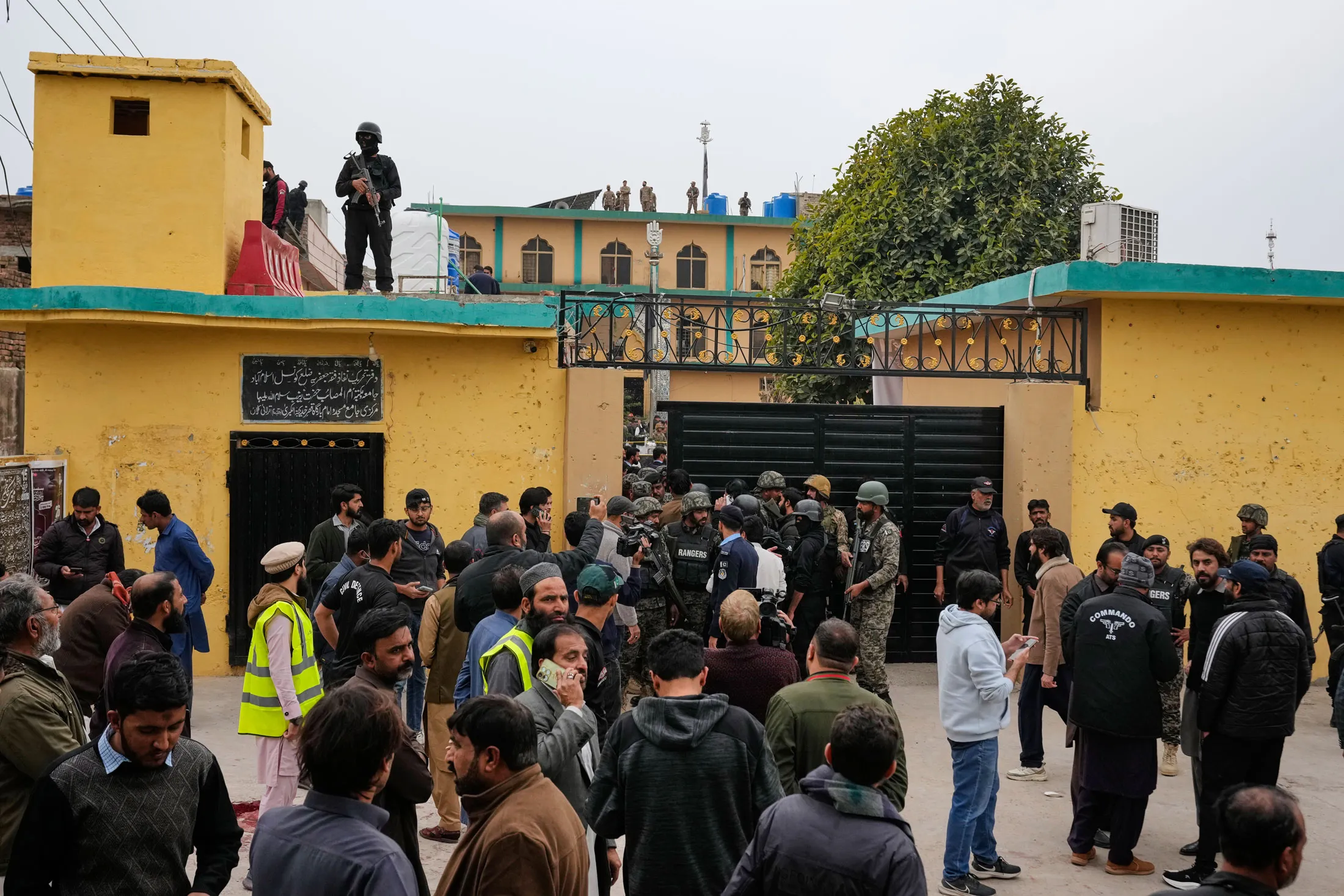
A suicide bombing at a Shia mosque in Pakistan’s capital, Islamabad, killed at least 31 people and injured 169 others during Friday prayers, officials said, highlighting growing security risks as militant violence rises across the country.
The Pakistan mosque blast occurred as worshippers gathered for weekly prayers in the Tarlai area, a residential district on the outskirts of Islamabad.
Police said the attacker approached the mosque gate before detonating explosives, triggering a mass casualty response and prompting emergency measures at hospitals across the capital.
Islamabad has historically experienced fewer militant attacks than other regions of Pakistan, making Friday’s explosion particularly significant.
Deputy Commissioner Irfan Nawaz Memon said authorities confirmed 31 deaths and 169 injuries, with many victims transferred by ambulances and private vehicles due to the scale of the blast.
Witnesses cited by the BBC reported hearing gunfire moments before the explosion, suggesting the attacker may have engaged security personnel prior to detonation.
Local officials said security guards attempted to stop the suspect near the mosque entrance.
Pakistan Prime Minister Shehbaz Sharif condemned the attack and directed authorities to identify those responsible, according to a statement released by his office.
President Asif Ali Zardari said the targeting of worshippers constituted an attack on innocent civilians and required a firm response.
Defense Minister Khawaja Asif stated in televised remarks and social media posts that preliminary findings indicated cross border movement by the attacker, referencing travel links with Afghanistan.
He also alleged involvement by hostile foreign elements, though officials said investigations were ongoing and no independent verification had yet been made public.
Security analysts note that sectarian targets have increasingly been attacked as militant groups attempt to undermine stability in urban centers.
The Interior Ministry said security levels had been raised at mosques and other sensitive locations nationwide following the Islamabad bombing.
The data reflect a seventy-four percent rise in violence related deaths, with militants responsible for more than half of the fatalities.
Hospital officials told Reuters that emergency wards in Islamabad were overwhelmed within minutes of the blast, with doctors performing surgeries on patients suffering from shrapnel and blast injuries.
Authorities issued public appeals for blood donations as medical supplies were rapidly depleted.
Officials said forensic teams were examining explosive materials and surveillance footage to determine responsibility.
The attack follows coordinated assaults in Balochistan earlier this week that killed dozens of civilians, underscoring continued security challenges despite ongoing military operations.
The Pakistan mosque blast marks one of the deadliest attacks in Islamabad in recent years and reflects the broader escalation of militant violence across the country.
As investigations continue, authorities face mounting pressure to prevent further attacks on civilian and religious sites.
NOTE! This article was generated with the support of AI and compiled by professionals from multiple reliable sources, including official statements, press releases, and verified media coverage. For more information, please see our T&C.


