
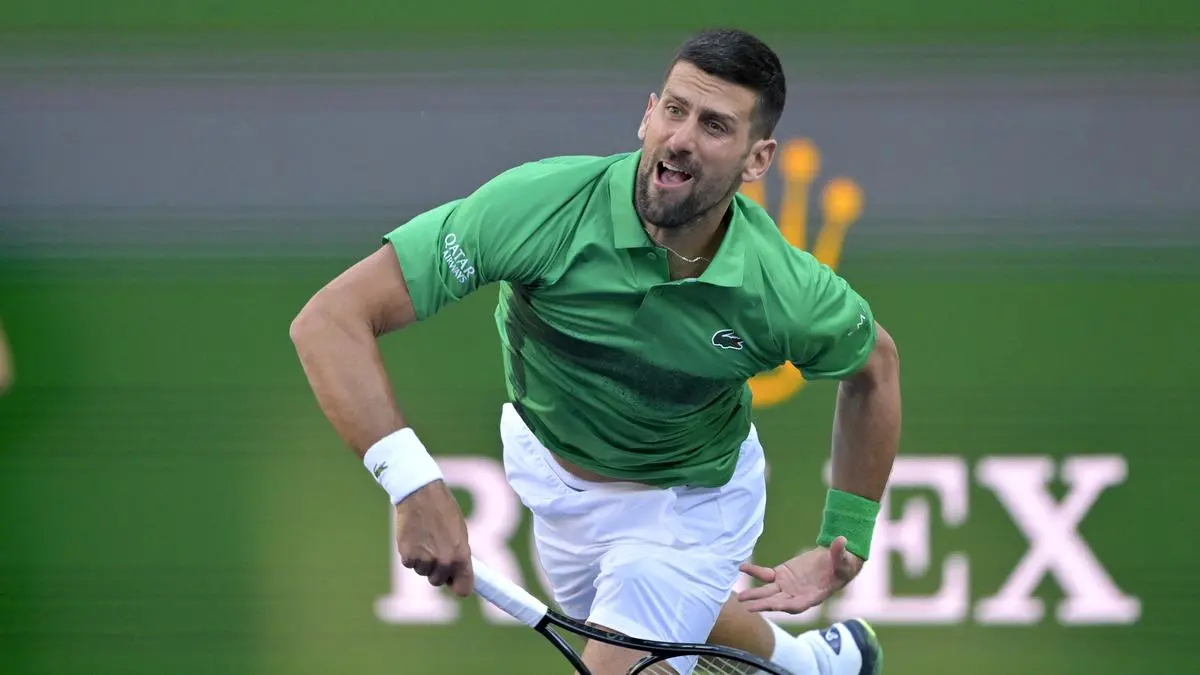
MELBOURNE, Jan. 5, 2026 — Novak Djokovic announced Sunday that he is stepping away entirely from the Professional Tennis Players Association, citing concerns about the organization’s transparency, governance, and how his image and voice were represented.
The 24 time Grand Slam champion said he plans to focus on his tennis career and family following disagreements with the association’s current direction.
KEY POINTS
- Djokovic has officially resigned from the PTPA, citing misalignment with his values and concerns over governance.
- The PTPA is involved in ongoing legal disputes against tennis governing bodies, which Djokovic has not fully supported.
- Djokovic intends to prioritize competition and personal commitments while remaining supportive of player welfare in principle.
Djokovic’s departure from the PTPA marks a pivotal moment in professional tennis, highlighting internal tensions within player led advocacy organizations.
The PTPA was created to give athletes a more influential voice in negotiations with established governing bodies, but Djokovic’s exit signals disagreements over decision making, representation, and organizational transparency.
The PTPA was co-founded in 2020 by Djokovic and Canadian player Vasek Pospisil to strengthen player influence in tennis governance.
The association has aimed to provide a platform independent of the ATP and WTA tours, advocating for fairer scheduling, prize money distribution, and player welfare.
In March 2025, the PTPA filed legal action against major tennis organizations, including the ATP, WTA, International Tennis Federation (ITF), and the International Tennis Integrity Agency (ITIA).
The lawsuit alleged anti-competitive practices and insufficient attention to player welfare.
Later, organizers of the four Grand Slam events were included in the case. Djokovic had publicly expressed reservations about certain aspects of the litigation while maintaining support for broader PTPA goals.
Tennis governance scholar Dr. Emily Rhodes said Djokovic’s departure underscores challenges in balancing individual star influence with collective player advocacy.
“High profile athletes lend legitimacy to organizations like the PTPA, but their exit can expose internal tensions and create questions about credibility,” she said.
Mark Harris, a former ATP official, added, “Djokovic’s exit may force the PTPA to clarify its governance structures and strengthen transparency if it wants to retain broad player support.
It is a test of how well player unions function in a decentralized sport.” Experts note that such moves can affect negotiations with tournament organizers and sponsors.
As a star led voice carries both influence and visibility in tennis politics.
PTPA executive director Ahmad Nassar stated that the organization “remains committed to advocating for players’ rights and welfare, even as members pursue their own paths.”
Tennis commentator Lisa Monroe noted, “Djokovic’s departure may shift the perception of player advocacy.
But the PTPA has established itself as a force in tennis governance. How it adapts to this change will be critical.” Djokovic’s exit does not end the PTPA’s initiatives.
Legal proceedings against tennis governing bodies are ongoing, and the organization continues efforts to negotiate agreements with tournaments such as Tennis Australia ahead of the 2026 Australian Open.
Observers suggest the association may need to strengthen internal decision making and transparency to maintain legitimacy and player trust.
For Djokovic, the immediate priority is competition. With the Australian Open commencing Jan. 18, he will focus on training and family, while the PTPA continues its advocacy work independently.
The resignation of Novak Djokovic from the PTPA reflects deeper governance challenges in professional tennis.
While the organization continues to pursue player advocacy and legal action, Djokovic’s move highlights the difficulty of aligning individual athlete values with collective organizational goals.
The development is likely to influence discussions on transparency, leadership, and governance in tennis for years to come.
Author’s Perspective Adnan Rasheed
In my analysis, Djokovic leaving the PTPA shows how even the biggest stars can clash with organizational politics.
I believe it will make both players and tours rethink transparency and how voices are represented.
I predict that the PTPA will move toward more collaboration with tournaments rather than legal battles, giving players a stronger, practical influence on the game.
Players should learn the business side of tennis early understanding contracts and governance can be as crucial as skills on the court.
NOTE! This report was compiled from multiple reliable sources, including official statements, press releases, and verified media coverage.
Djokovic has officially resigned from the PTPA, citing misalignment with his values and concerns over governance.
The PTPA is involved in ongoing legal disputes against tennis governing bodies, which Djokovic has not fully supported.
Djokovic intends to prioritize competition and personal commitments while remaining supportive of player welfare in principle.
Djokovic’s departure from the PTPA marks a pivotal moment in professional tennis, highlighting internal tensions within player led advocacy organizations.
The PTPA was created to give athletes a more influential voice in negotiations with established governing bodies, but Djokovic’s exit signals disagreements over decision making, representation, and organizational transparency.
The PTPA was co-founded in 2020 by Djokovic and Canadian player Vasek Pospisil to strengthen player influence in tennis governance.
The association has aimed to provide a platform independent of the ATP and WTA tours, advocating for fairer scheduling, prize money distribution, and player welfare.
In March 2025, the PTPA filed legal action against major tennis organizations, including the ATP, WTA, International Tennis Federation (ITF), and the International Tennis Integrity Agency (ITIA).
The lawsuit alleged anti-competitive practices and insufficient attention to player welfare.
Later, organizers of the four Grand Slam events were included in the case. Djokovic had publicly expressed reservations about certain aspects of the litigation while maintaining support for broader PTPA goals.
Tennis governance scholar Dr. Emily Rhodes said Djokovic’s departure underscores challenges in balancing individual star influence with collective player advocacy.
“High profile athletes lend legitimacy to organizations like the PTPA, but their exit can expose internal tensions and create questions about credibility,” she said.
Mark Harris, a former ATP official, added, “Djokovic’s exit may force the PTPA to clarify its governance structures and strengthen transparency if it wants to retain broad player support.
It is a test of how well player unions function in a decentralized sport.” Experts note that such moves can affect negotiations with tournament organizers and sponsors.
As a star led voice carries both influence and visibility in tennis politics.
PTPA executive director Ahmad Nassar stated that the organization “remains committed to advocating for players’ rights and welfare, even as members pursue their own paths.”
Tennis commentator Lisa Monroe noted, “Djokovic’s departure may shift the perception of player advocacy.
But the PTPA has established itself as a force in tennis governance. How it adapts to this change will be critical.” Djokovic’s exit does not end the PTPA’s initiatives.
Legal proceedings against tennis governing bodies are ongoing, and the organization continues efforts to negotiate agreements with tournaments such as Tennis Australia ahead of the 2026 Australian Open.
Observers suggest the association may need to strengthen internal decision making and transparency to maintain legitimacy and player trust.
For Djokovic, the immediate priority is competition. With the Australian Open commencing Jan. 18, he will focus on training and family, while the PTPA continues its advocacy work independently.
The resignation of Novak Djokovic from the PTPA reflects deeper governance challenges in professional tennis.
While the organization continues to pursue player advocacy and legal action, Djokovic’s move highlights the difficulty of aligning individual athlete values with collective organizational goals.
The development is likely to influence discussions on transparency, leadership, and governance in tennis for years to come.
Author’s Perspective Adnan Rasheed
In my analysis, Djokovic leaving the PTPA shows how even the biggest stars can clash with organizational politics.
I believe it will make both players and tours rethink transparency and how voices are represented.
I predict that the PTPA will move toward more collaboration with tournaments rather than legal battles, giving players a stronger, practical influence on the game.
Players should learn the business side of tennis early understanding contracts and governance can be as crucial as skills on the court.
NOTE! This report was compiled from multiple reliable sources, including official statements, press releases, and verified media coverage.


