
WASHINGTON — Nine of the largest US and European based pharmaceutical companies agreed Friday to voluntarily lower the cost of certain prescription medications in the United States, as the Trump administration seeks to tie domestic drug prices to lower prices abroad.
The deal includes Merck, Bristol Myers Squibb, Amgen, Gilead, GSK, Sanofi, Roche’s Genentech, privately held Boehringer Ingelheim and Novartis.
In exchange, the companies will receive a three year grace period from planned pharmaceutical specific tariffs, provided they continue investing in US manufacturing.
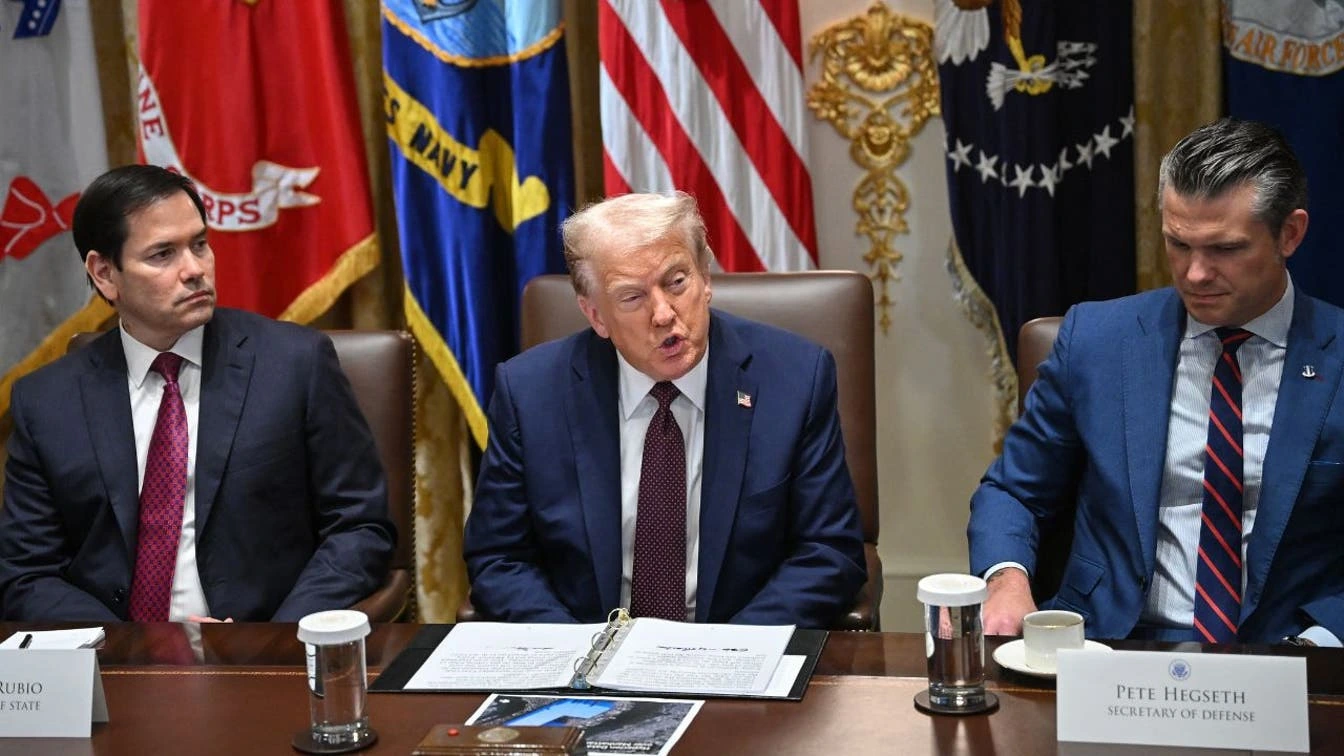
“As of today, 14 out of the 17 largest pharmaceutical companies have now agreed to drastically lower drug prices for the American people and American patients,” President Donald Trump said at an event announcing the agreements.
“This represents the greatest victory for patient affordability in the history of American health care, by far, and every single American will benefit.”
Johnson & Johnson, AbbVie and Regeneron remain among the largest drugmakers that have not signed agreements, though Trump indicated that Johnson & Johnson could join soon.
The agreements are part of the Trump administration’s efforts to revive the “most favored nation” policy, first announced in May, which aims to link US drug prices to lower prices abroad and curb what the White House has called “global freeloading.”
Companies agreeing to the plan will sell certain medications to Medicaid patients at their lowest prices and guarantee reduced pricing for new drugs.
Earlier this year, agreements were made with Eli Lilly, Novo Nordisk, Pfizer, AstraZeneca and EMD Serono to sell select medications directly to patients at a discount in exchange for exemptions from proposed tariffs and other benefits, including accelerated drug review processes.
“Direct To consumer programs may improve access for patients who struggle with high out of pocket costs,” said Dr. Sarah Fleming, a health policy analyst at the Brookfield Institute. “But the real challenge is ensuring these discounts are sustainable and broadly available.”
Industry trade association PhRMA, which represents many major drugmakers, has criticized most favored nation pricing as an ineffective method to reduce US drug costs.
The association argued that pharmacy benefit managers, not manufacturers alone, are often responsible for price disparities.
“Linking domestic prices to international levels may create unintended consequences for research and development,” said Jonathan Lee, a pharmaceutical economist at the University of Michigan.
“It is essential to monitor whether innovation is affected as well as affordability.” Trump administration officials have defended the policy, citing the US market’s outsized role for global pharma companies.
European companies, including Sanofi and Roche, generate a significant portion of their revenue from American patients despite being headquartered abroad. US prescription drug prices remain among the highest in the world.
According to a 2024 RAND Corporation study, the average cost of prescription medications in the United States is nearly three times higher than prices in comparable countries, while branded drugs can be more than four times higher.
Gilead, for instance, announced it will offer its Hepatitis C treatment Epclusa at a discounted price through a new direct to consumer program.
Sanofi said it plans to reduce costs on medications treating infections, cardiovascular conditions and diabetes by nearly 70 percent via its direct to consumer offerings, including the upcoming TrumpRx website, set to launch in January.
Patients and healthcare advocates expressed cautious optimism about the agreements.
“It’s encouraging to see companies stepping forward, but real access depends on whether these discounts are actually reflected at the pharmacy counter,” said Maria Lopez, a patient advocate in Dallas.
Healthcare providers noted potential benefits for vulnerable populations. “Lowering prices for Medicaid patients could have a meaningful impact on adherence to essential medications,” said Dr. Kevin Patel, a primary care physician in New York.
While the agreements cover a majority of the largest drugmakers, observers note that full implementation will require ongoing monitoring and regulatory oversight.
The Trump administration plans to expand the program, potentially bringing remaining companies on board and ensuring broader coverage for consumers.
“Maintaining affordability without compromising innovation will be key,” said Fleming. “The next three years will show whether voluntary agreements can achieve long term cost reductions.”
The nine pharmaceutical companies’ commitment to lower drug prices represents a significant step in the Trump administration’s broader campaign to reduce US medication costs.
While the agreements promise immediate benefits for patients, experts caution that sustainable access and the impact on drug innovation will require careful scrutiny over the coming years.


