
SUMMARY
- Neil Sedaka earned multiple Billboard Hot 100 No. 1 hits across two decades.
- Micky Dolenz credited Sedaka’s songwriting for shaping The Monkees’ catalog.
- Sedaka’s revival in the 1970s marked one of pop music’s notable second acts.
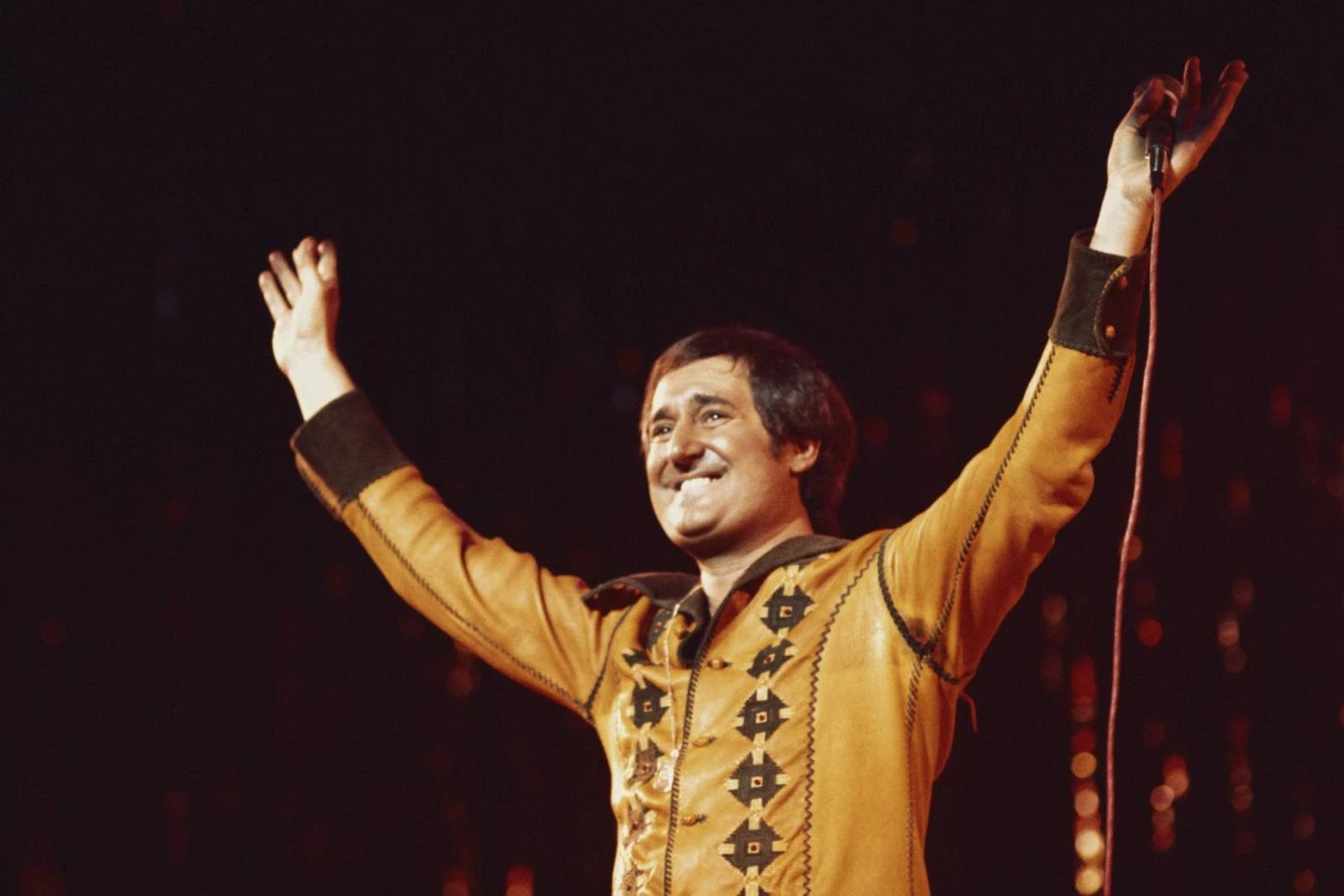
Neil Sedaka, the American singer songwriter whose string of early 1960s pop hits and 1970s comeback reshaped contemporary songwriting, has died at age 86.
Fellow musician Micky Dolenz confirmed Sedaka’s death Friday in a public tribute honoring his career and collaborations.
Sedaka’s death closes a chapter on a songwriting career that bridged the Brill Building era and the singer songwriter movement.
Known for melodies that blended classical structure with radio friendly hooks, he influenced peers and later generations navigating shifting pop trends.
Sedaka first entered the Top 10 in 1959 with “Oh! Carol,” followed by “Calendar Girl,” “Happy Birthday Sweet Sixteen” and “Breaking Up Is Hard to Do,” which reached No. 1 in 1962.
After the British Invasion disrupted many American pop careers, Sedaka rebuilt his audience overseas. In the 1970s, Elton John signed him to Rocket Record Company, helping reintroduce Sedaka to US listeners.
The 1974 compilation “Sedaka’s Back” preceded two more No. 1 singles, “Laughter in the Rain” and “Bad Blood.”
Dolenz, the last surviving member of The Monkees, said Sedaka co-wrote “When Love Comes Knocking at Your Door” with Carole Bayer Sager and wrote “Rainy Jane” for Davy Jones.
John Covach, director of the Institute for Popular Music at the University of Rochester, said Sedaka’s durability stemmed from formal musical training.
“He understood harmony and structure at a level that allowed him to adapt without losing identity,” Covach said.
Music historian Bob Stanley said Sedaka’s comeback illustrated how artist development shifted in the 1970s.
“His return showed that catalog depth and international markets could sustain careers beyond early chart cycles,” Stanley said.
Dolenz said Sedaka was “one of those rare songwriters who could do it all,” recalling Sedaka’s appearance at a Los Angeles memorial for Jones.
In a 2006 interview with the Ocala Star-Banner, Sedaka said inspiration came from “people, places, emotions, family, movies, plays.”
Sedaka’s catalog continues to circulate on streaming platforms and in publishing rights markets, areas that have grown in financial importance for legacy artists.
Neil Sedaka’s death marks the passing of a songwriter whose work spanned eras, illustrating the resilience of melody-driven pop in a rapidly changing industry.
NOTE! This article was generated with the support of AI and compiled by professionals from multiple reliable sources, including official statements, press releases, and verified media coverage. For more information, please see our T&C.


