
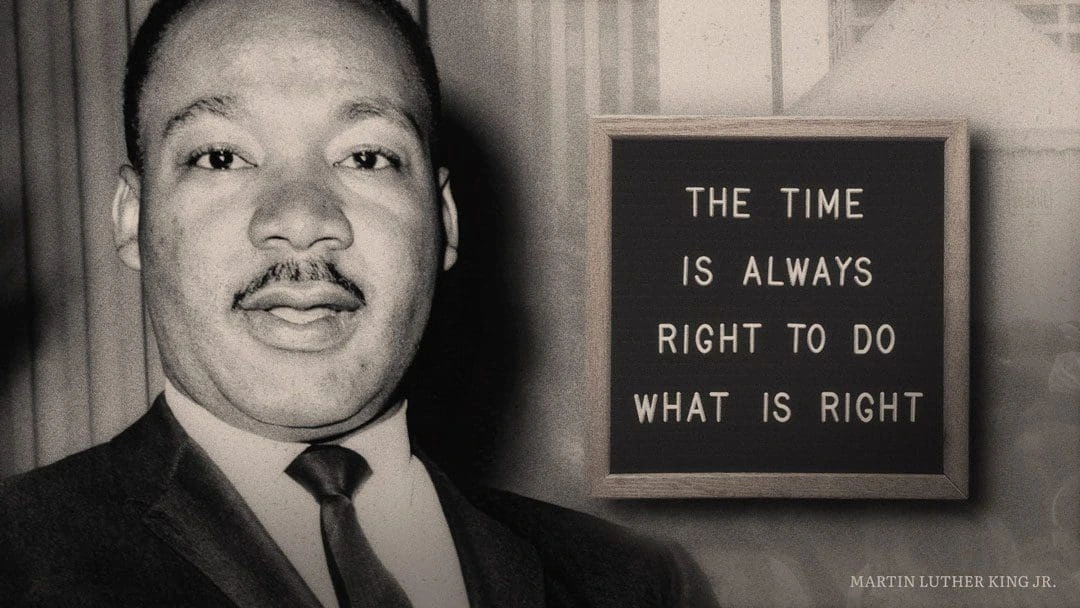
KEY POINTS
- Martin Luther King Jr. Day remains a focal point for civic education and volunteerism tied to the civil rights movement
- The “I Have a Dream” speech is widely used in classrooms and public forums to frame debates on equality and social inclusion
- International institutions reference the address as a benchmark for nonviolent political change
Washington — Communities across the United States and abroad observed Martin Luther King Jr. Day on Monday with ceremonies, service projects and educational programs centered on the enduring influence of the “I Have a Dream” speech delivered in Washington in nineteen sixty three.
A moment that continues to shape global discussions on civil rights and democratic participation.
Observed on the third Monday of January, Martin Luther King Jr. Day serves as the only US federal holiday dedicated to an individual whose work was rooted in social activism.
While events this year ranged from school assemblies to policy discussions, the common reference point remained King’s address on the National Mall.
Which articulated a vision of equality through moral persuasion rather than political coercion.
King delivered the “I Have a Dream” speech on Aug. twenty eight, nineteen sixty three, during the March on Washington for Jobs and Freedom, attended by an estimated quarter million people.
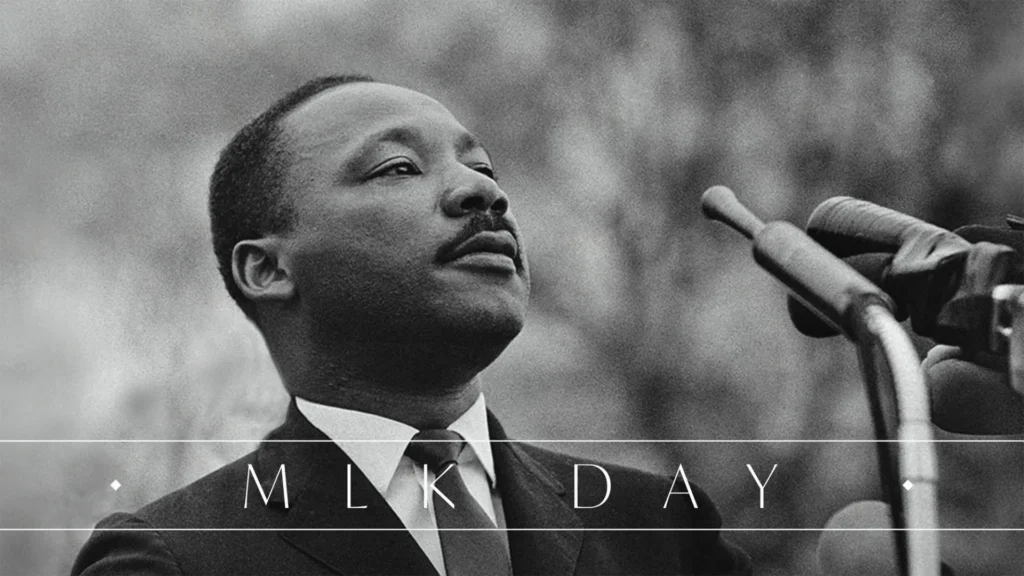
The address called for racial equality, voting rights and economic opportunity at a time when segregation remained legalx; a series of landmark laws followed, including the Civil Rights Act of nineteen sixty four and the Voting Rights Act of nineteen sixty five.
The federal holiday honoring King was established in nineteen eighty three and first observed nationwide in nineteen eighty six, after years of legislative debate over how the nation should memorialize figures from its protest history.
Historians note that the speech’s power lies not only in its rhetoric but in its practical application.
Universities use it to teach constitutional interpretation, while municipal governments reference it when designing equity programs.
Internationally, the United Nations and several African and European cultural institutions include King’s words in curricula on peaceful protest.
Scholars describe the address as a template for linking moral language with policy demands, a structure later mirrored by movements advocating for women’s rights, disability access and press freedom.
- Delivered: Aug. twenty eight, nineteen sixty three
- Location: Lincoln Memorial, Washington
- Central themes: Nonviolence, equal protection under law, economic justice
- Recognized by: National Archives, Library of Congress, UNESCO
- Annual observance: Third Monday of January
In the speech, King said, “I have a dream that one day this nation will rise up and live out the true meaning of its creed,” a line frequently cited in civic literacy programs.
He also envisioned a society where children would “not be judged by the color of their skin but by the content of their character,” language that continues to anchor debates about merit, access and accountability.
Cultural educators say the passage helps students understand how values can be framed as public commitments rather than private beliefs.
Organizers of Martin Luther King Jr. Day events say the focus is shifting toward practical outcomes such as voter education, digital literacy and economic mobility workshops.
Several city governments plan to expand partnerships with universities and nonprofit groups to align volunteer activities with long-term community projects.
While the holiday is commemorative, its organizers emphasize that its purpose is forward looking, using historical memory to inform current civic engagement.
More than six decades after the “I Have a Dream” speech, Martin Luther King Jr. Day continues to function as a global reference point for peaceful reform and democratic participation.
The observance highlights how a single address, delivered in a specific historical moment, can maintain relevance across generations by shaping how societies discuss rights, responsibilities and the meaning of equal citizenship.
In my analysis, the endurance of Martin Luther King Jr. Day reflects a structural shift toward values based governance, where moral narratives increasingly shape policy legitimacy.
I predict expanded federal civic literacy mandates tied to service learning. For families and nonprofits, this means funding access.
NOTE! This report was compiled from multiple reliable sources, including official statements, press releases, and verified media coverage.
Adnan Rasheed, Research Analyst


