
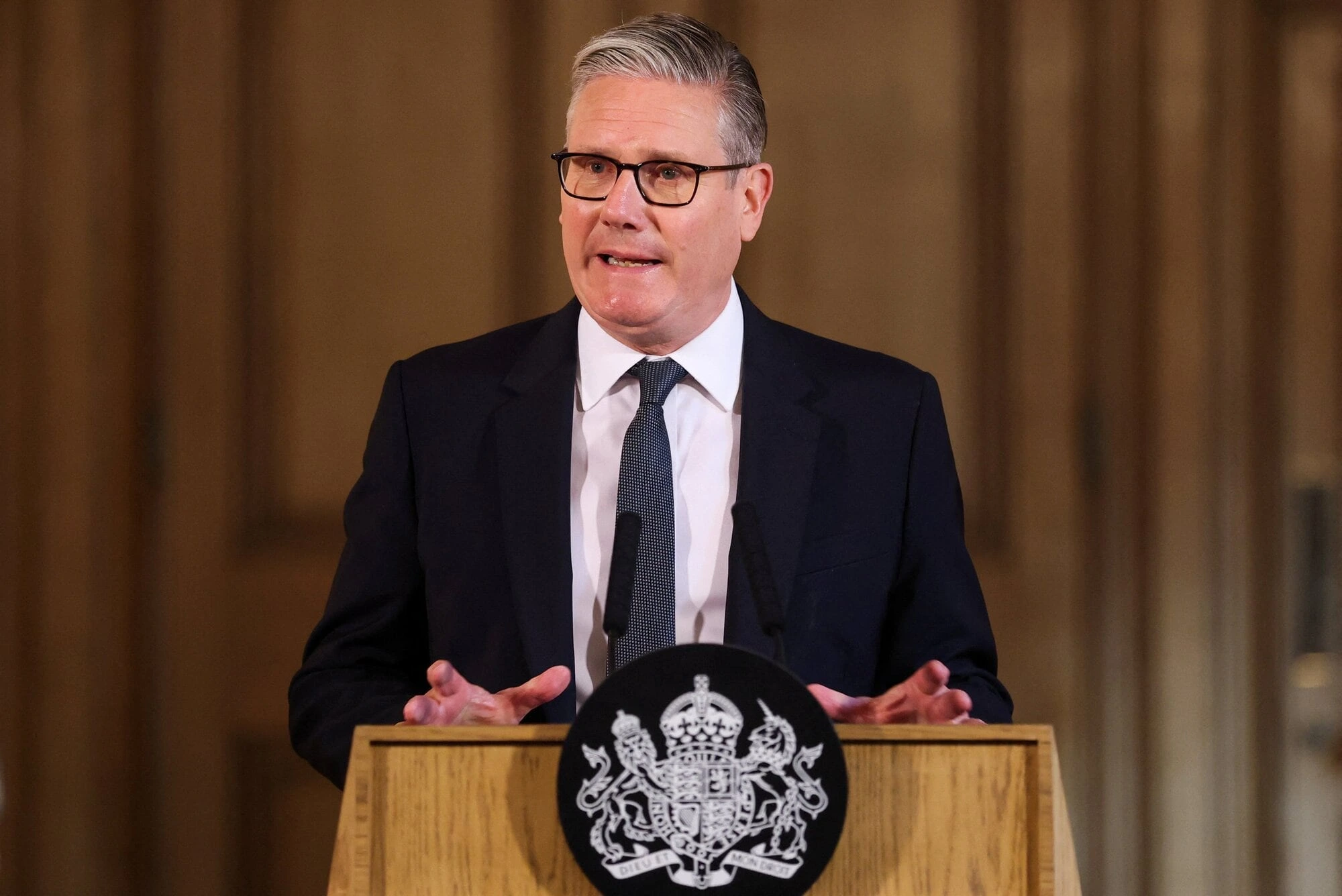
Keir Starmer faces mounting resignation speculation in London on Monday as reports suggest internal Labour pressure and a potential leadership timetable after rising party revolt and parliamentary challenge momentum.
The political uncertainty surrounding Keir Starmer has escalated into a defining moment for the Labour government, drawing global attention to Britain’s leadership stability and governance continuity.
Pressure on Keir Starmer has built over months as factional divisions widened inside Labour.
Recent parliamentary gains by challenger aligned figures have accelerated leadership speculation and intensified internal negotiations.
Professor Tim Bale of Queen Mary University of London noted that challenges to Keir Starmer reflect “structural tensions between Labour’s governing wing and its grassroots base.”
Anand Menon of King’s College London said instability around Keir Starmer could slow legislative delivery and weaken investor confidence in policy continuity.
The Labour Party’s internal fracture highlights competing visions over economic strategy and party identity.
A Labour aide close to Westminster said Keir Starmer is “focused on governance despite speculation.”
A backbench MP stated Keir Starmer faces “unprecedented internal pressure not seen in years.” A parliamentary staff member noted uncertainty is affecting legislative scheduling.
The trajectory of Keir Starmer underscores how internal party fractures can rapidly translate into national governance instability in parliamentary systems.
NOTE! This article was generated with the support of AI and compiled by professionals from multiple reliable sources, including official statements, press releases, and verified media coverage. For more information, please see our T&C.


