
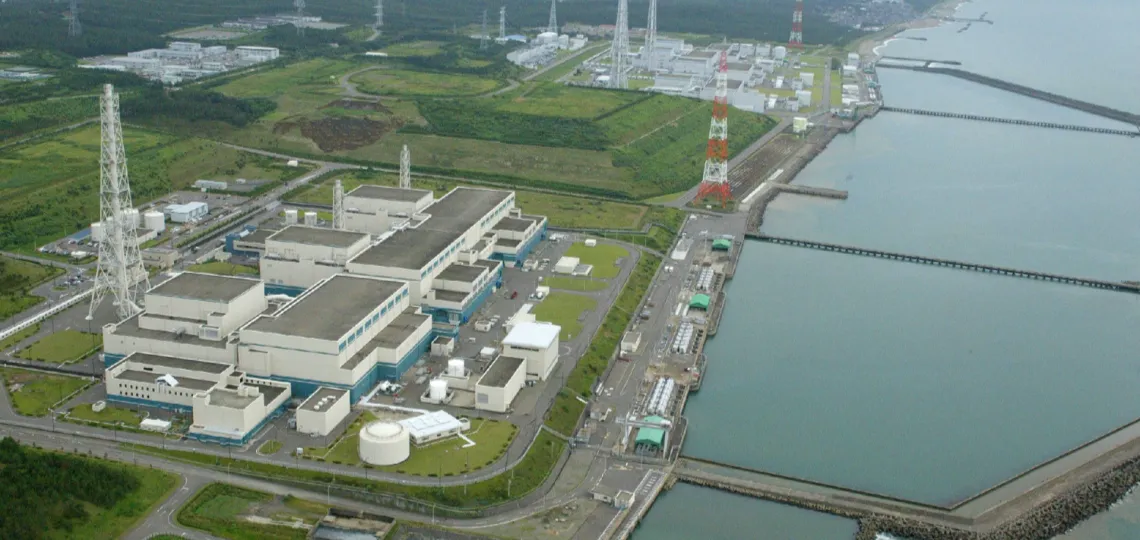
Japan has moved closer to restarting the world’s largest nuclear power facility, marking a pivotal moment in the nation’s long and cautious return to nuclear energy nearly fifteen years after the Fukushima disaster reshaped public trust and energy policy.
A regional vote this week cleared a key political hurdle for the Kashiwazaki Kariwa nuclear plant restart, a decision that underscores Japan’s struggle to balance energy security, economic pressures and lingering safety fears.
The Kashiwazaki Kariwa nuclear plant, located in Niigata prefecture about two hundred twenty kilometers northwest of Tokyo, was shut down along with dozens of reactors after the March two thousand eleven earthquake and tsunami triggered a triple meltdown at the Fukushima Daiichi plant.
The disaster, widely regarded as the worst nuclear accident since Chernobyl, prompted Japan to suspend all nuclear operations and overhaul its regulatory framework.
Since then, fourteen of the thirty three operable reactors have been brought back online under stricter safety standards.
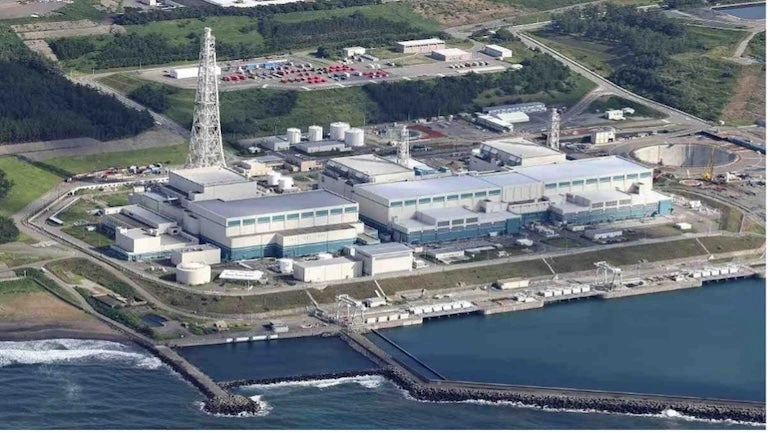
Kashiwazaki Kariwa, with seven reactors and a total capacity of eight point two gigawatts, has remained offline the longest and carries added symbolic weight because it is operated by Tokyo Electric Power Co, the same utility that ran Fukushima Daiichi.
On Monday, Niigata’s prefectural assembly passed a vote of confidence in Gov. Hideyo Hanazumi, who endorsed the restart last month. The vote effectively removed the final political obstacle to resuming operations.
“This is a milestone, but it is not the end,” Hanazumi said after the vote. “Ensuring the safety of Niigata residents is an ongoing responsibility.”
Energy analysts said the Kashiwazaki Kariwa nuclear plant restart reflects growing pressure on Japan to stabilize electricity supply and reduce reliance on imported fossil fuels.
“Japan imports nearly all of its oil and gas, making energy costs vulnerable to global shocks,” said Keiko Matsuda, an energy policy researcher at Waseda University.
“Nuclear power is seen by policymakers as a way to secure baseload electricity while meeting climate targets.” Others cautioned that public trust remains fragile.
“Technical safety upgrades are only part of the equation,” said Hiroshi Tanaka, a former nuclear regulator. “Social acceptance is equally critical, and that has not fully recovered since Fukushima.”
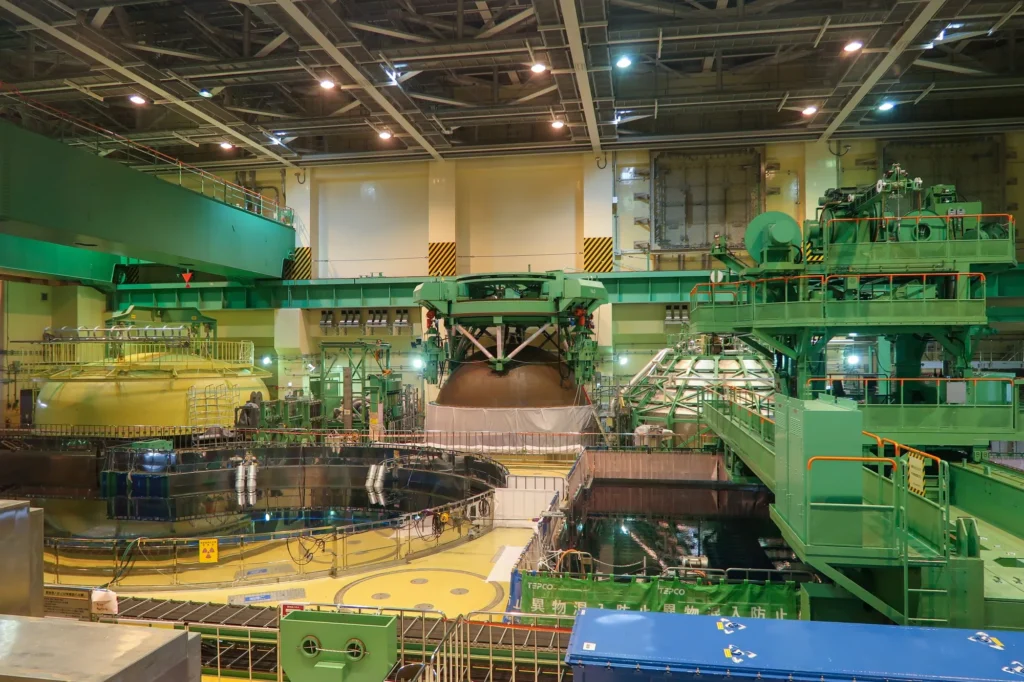
Before Fukushima, nuclear power accounted for about thirty percent of Japan’s electricity generation. That figure fell to near zero in the years following the disaster, forcing utilities to increase imports of liquefied natural gas and coal.
As of last year, nuclear energy provided roughly eight percent of the country’s power supply. If fully operational, Kashiwazaki Kariwa alone could supply electricity to several million households, making it a cornerstone of Japan’s long term energy mix.
The pending restart would bring one one point three six gigawatt unit online next year, with another unit of the same size targeted for around two thousand thirty. The assembly vote exposed deep divisions within Niigata, where memories of Fukushima remain vivid.
“This decision ignores the will of many residents who still fear another accident,” said assembly member Yumi Sato, who opposed the restart during the session.
Outside the assembly building, about three hundred protesters gathered in cold weather, holding signs reading “No nukes” and “Support Fukushima.”
“I am angry from the bottom of my heart,” said Kenichiro Ishiyama, a seventy seven year old resident of Niigata city. “If something goes wrong, we are the ones who will suffer.” Others expressed cautious support, citing economic benefits.
“Young people need jobs, and lower electricity costs matter,” said local shop owner Daisuke Mori. “But safety must come first, no matter what.”
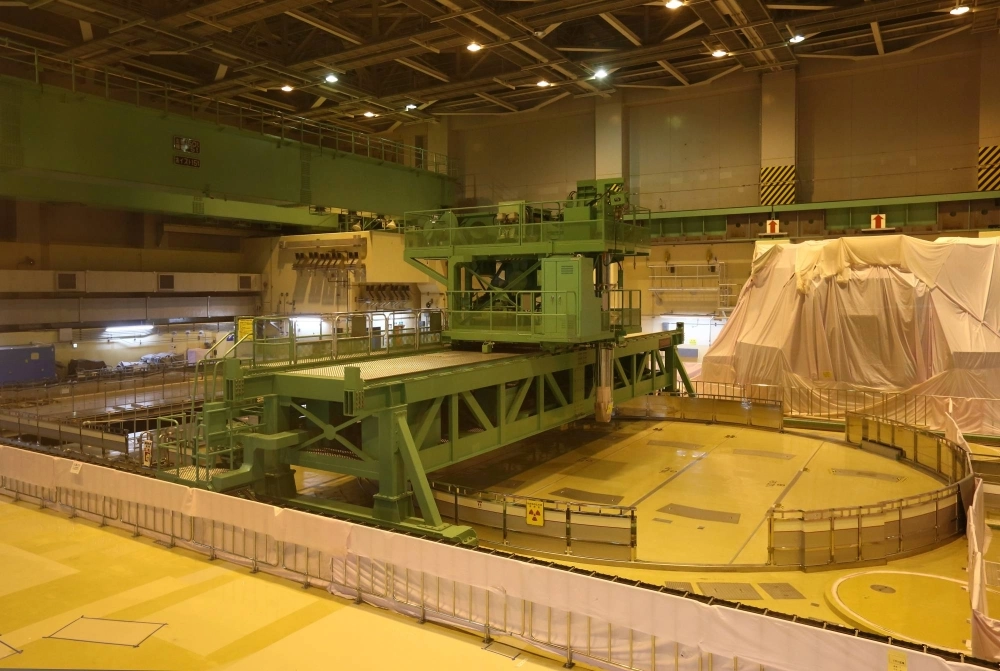
TEPCO has said it remains committed to preventing another nuclear accident and has implemented extensive safety upgrades, including enhanced tsunami defenses and emergency response systems.
The company is reportedly considering reactivating the first reactor as early as January twenty, though officials declined to confirm a timeline.
The Kashiwazaki Kariwa nuclear plant restart will still require final approvals from national regulators and ongoing coordination with local governments.
Analysts said the plant’s performance could influence decisions on other idle reactors across the country. “This restart will be closely watched,” Matsuda said. “It will shape how Japan navigates energy security, climate goals and public confidence for years to come.”
The decision to advance the Kashiwazaki Kariwa nuclear plant restart highlights Japan’s complex path forward nearly fifteen years after Fukushima.
As the country weighs energy independence against safety concerns and public sentiment, the plant stands as both a symbol of recovery and a reminder of unresolved fears. The coming months will test whether stricter oversight and renewed dialogue can bridge that divide.


