
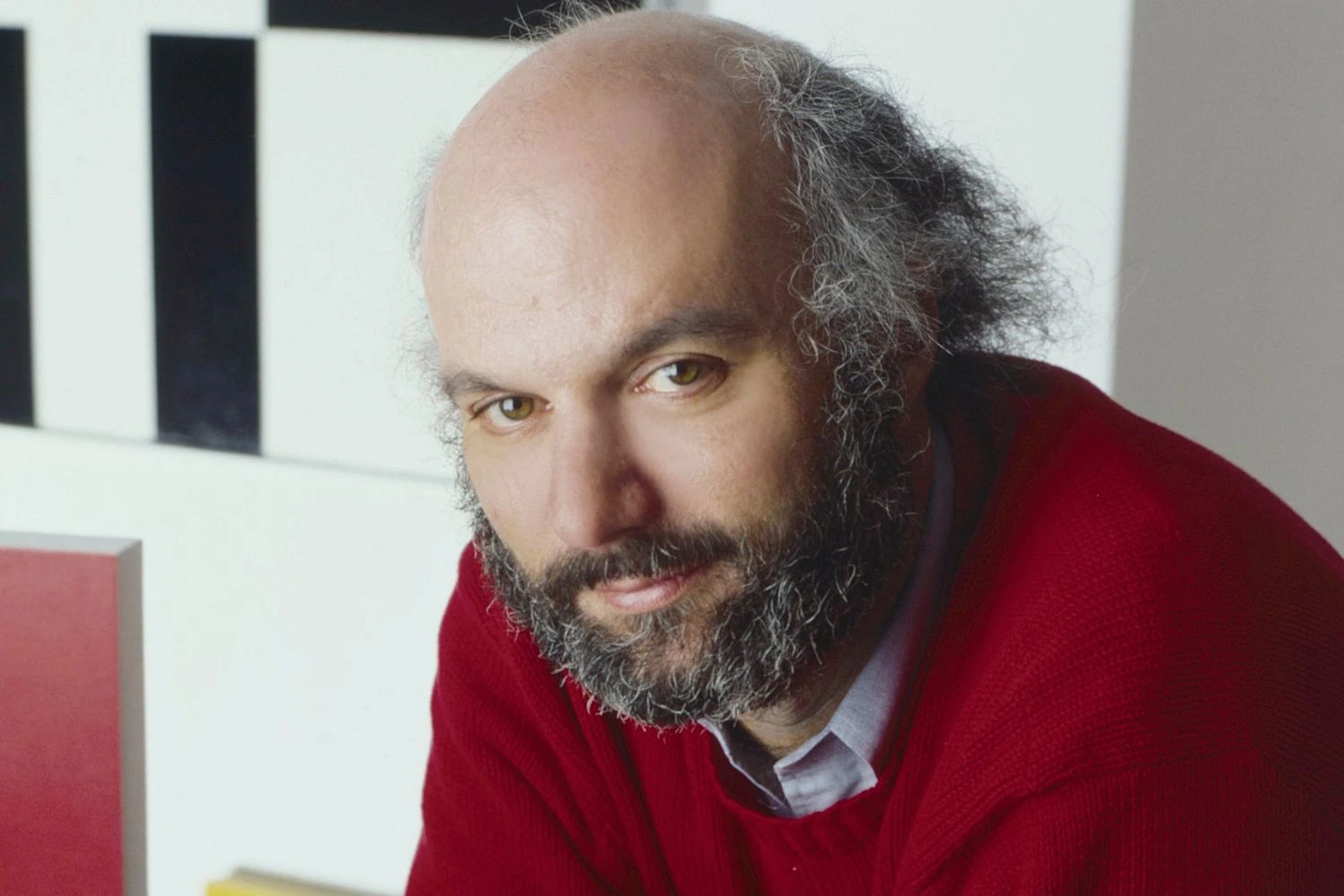
The James Burrows death was confirmed Friday by attorney Tom Hoberman, ending the career of one of television’s most influential directors whose work shaped comedy across five decades.
The James Burrows death resonates beyond Hollywood because his directing style influenced television production worldwide.
From network sitcoms to streaming revivals, his creative decisions helped establish the rhythm, pacing and audience engagement techniques now common across international entertainment markets.
Burrows began directing episodes of The Mary Tyler Moore Show in the 1970s. He later became a driving force behind Cheers, Taxi, Friends, Frasier and Will & Grace. His career spanned the rise of network television, cable expansion and the streaming era.
Television historian Robert Thompson of Syracuse University has frequently described sitcoms as cultural mirrors, a framework reflected in Burrows’ work.
Media analyst Michael Nathanson of MoffettNathanson has noted that successful sitcoms generate long term syndication value, an area where Burrows directed series remain industry benchmarks.
An under reported implication of the James Burrows death is the shrinking pool of creators with firsthand experience across every major television distribution era.
His career connected broadcast television economics with today’s streaming strategies. Tom Hoberman confirmed Burrows’ death.
In a 2022 interview, Burrows credited wife Debbie Easton for encouraging his memoir. He said his mission was to “deliver funny” to audiences.
The James Burrows death closes a chapter in television history while underscoring the lasting global influence of the Cheers co-creator, Emmy winner and pioneering television director.
NOTE! This article was generated with the support of AI and compiled by professionals from multiple reliable sources, including official statements, press releases, and verified media coverage. For more information, please see our T&C.


