
SUMMARY
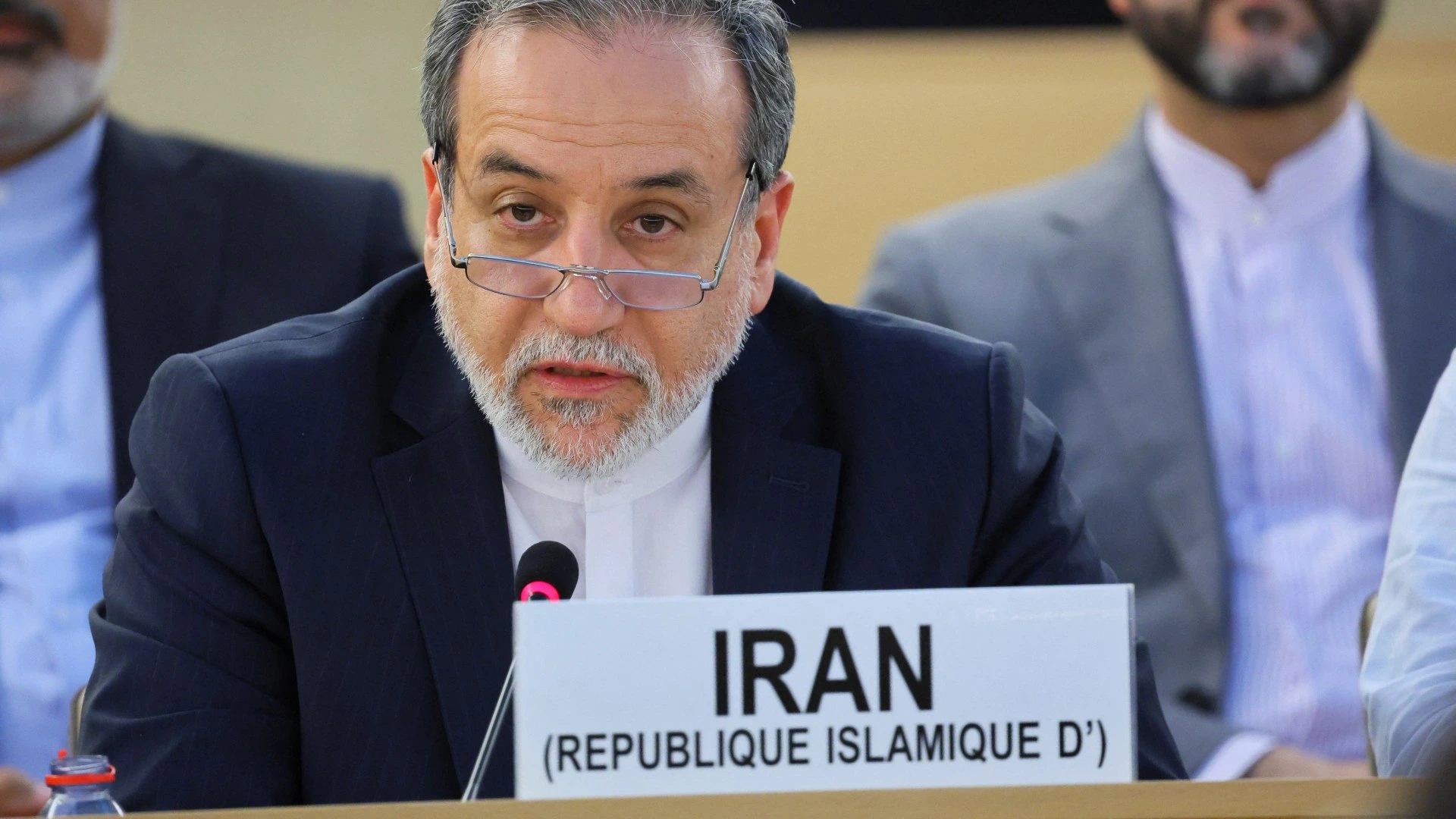
- Iran’s Foreign Minister Abbas Araghchi said missile development is “never negotiable,” emphasizing defense priorities over diplomatic concessions.
- US President Donald Trump announced plans for a follow up negotiation round next week after mediated talks in Oman.
- Despite engagement, experts caution that deep rooted distrust and competing regional interests may limit the talks’ effectiveness.
TEHRAN / OMAN — Iran’s foreign minister on Saturday reiterated that the country’s missile program remains off the negotiating table in renewed talks with the United States, as both sides seek to revive discussions on Tehran’s nuclear activities.
The comments come amid rising tensions in the Middle East and ongoing US sanctions targeting Iranian trade and energy exports.
Iranian Foreign Minister Abbas Araghchi told Al Jazeera that negotiations would focus strictly on nuclear enrichment and that Tehran expects a “reassuring agreement” on the issue.
“The Iranian nuclear case will only be resolved through negotiations,” Araghchi said, adding that US threats or military pressure could hinder progress.
The remarks followed mediated discussions in Muscat, Oman, where US special envoy Steve Witkoff and presidential adviser Jared Kushner met Iranian officials.
While both sides described the talks as constructive, underlying tensions persist. Araghchi warned that any US attack on Iranian territory would trigger retaliatory action against American military bases in the region.
Iran’s nuclear negotiations with the US have a fraught history. The 2015 Joint Comprehensive Plan of Action (JCPOA) limited Iran’s enrichment activities but left missile programs largely unaddressed.
Talks collapsed last year after Israel conducted airstrikes against Iranian nuclear facilities, prompting a 12-day military escalation.
Recent antigovernment protests within Iran and intensified US sanctions have further complicated diplomacy.
On Saturday, Trump signed an executive order imposing tariffs on countries continuing trade with Iran, while the US sanctioned multiple shipping entities to curb oil exports.
“Both Iran and the US maintain non-negotiable positions,” said Abdullah al-Shayji, a US foreign policy expert at Kuwait University.
He noted that US policymakers are under domestic pressure, particularly from Israel, to extract concessions, while Iran’s leadership is determined to preserve strategic programs.
Michael Singh, former US State Department official and director at the Washington Institute for Near East Policy, described the negotiations as “tentative but necessary,” highlighting the risk of miscalculations.
“Even limited nuclear agreements could reduce regional escalation, but the missile issue remains a major barrier,” Singh said.
| Metric | 2024 | 2023 | Notes |
|---|---|---|---|
| Iran-China trade (imports) | $18bn | $17bn | Largest bilateral trade partner |
| Iran-China trade (exports) | $14.5bn | $13bn | Includes oil and energy products |
| U.S. sanctions imposed | 2026 | 2025 | Target shipping and oil exports |
| Nuclear enrichment sites | 5 | 5 | Number of major enrichment facilities |
In Tehran, public sentiment appears skeptical. “Like previous times, negotiations will end without results because both sides are sticking to their positions,” said a local resident who requested anonymity.
Araghchi expressed cautious optimism, stating, “There is an opportunity to build trust, but it will require restraint and avoidance of threats.”
On the US side, Witkoff emphasized military readiness, writing on social media: “Our forces are keeping us safe and showing the world what American resolve looks like.”
Next week’s planned US/Iran meeting in Oman is expected to continue nuclear focused discussions, with no agreement yet on expanding the agenda to missile limitations.
Israeli Prime Minister Benjamin Netanyahu is scheduled to meet Trump, signaling ongoing pressure from regional allies.
Observers stress that while negotiations provide a framework for dialogue, sustained progress hinges on reducing regional tensions and balancing US domestic pressures with Iran’s strategic priorities.
The renewed talks mark a cautious step toward dialogue, but longstanding mistrust and geopolitical dynamics suggest that substantive breakthroughs will require persistent diplomatic effort and international mediation.
NOTE! This article was generated with the support of AI and compiled by professionals from multiple reliable sources, including official statements, press releases, and verified media coverage. For more information, please see our T&C.


