
KEY POINTS
- The Catherine O’Hara death has prompted tributes from leading film and television figures across North America and Europe.
- O’Hara’s work reshaped character driven comedy across film and television for five decades.
- Her influence continues through collaborators, institutions and awards recognizing her legacy.
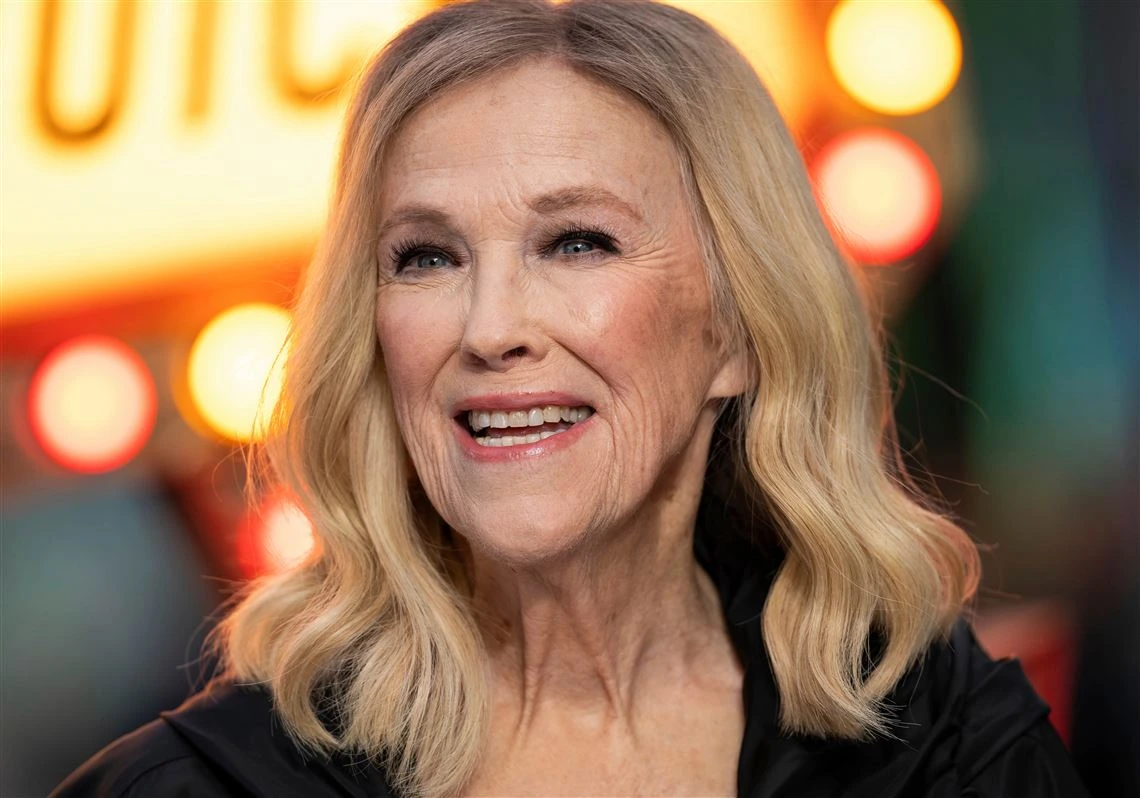
Catherine O’Hara, the Emmy-winning Canadian actress whose elastic performances shaped modern screen comedy, died Friday at her home in Los Angeles after a brief illness, her agent told the BBC. She was seventy one.
The Catherine O’Hara death marks the loss of a performer whose comic range bridged cult cinema, mainstream family films and prestige television.
From “Beetlejuice” to “Home Alone” to “Schitt’s Creek,” O’Hara became a reference point for character comedy grounded in emotional realism, earning industry acclaim and enduring public affection.
Born in Toronto, O’Hara emerged from Canada’s improvisational comedy scene in the 1970s, working with Second City Toronto and the television series “SCTV.”
Her collaborations with Eugene Levy, Rick Moranis and John Candy positioned Canadian comedy as a global export.
In film, she delivered memorable performances in “Beetlejuice,” “Home Alone” and multiple Christopher Guest mockumentaries.
Her career resurgence came with “Schitt’s Creek,” where her portrayal of Moira Rose earned an Emmy Award in 2020 and a Golden Globe Award in 2021.
Richard Sherwin, professor of visual culture at New York Law School and author of studies on screen performance, said O’Hara’s comedy “combined vocal precision with emotional vulnerability, allowing eccentric characters to feel recognizably human.”
Deborah Landis, film historian and former Academy Museum board member, said her work “demonstrated how comedic acting can sustain narrative authority rather than merely support it.”
Industry observers note that the Catherine O’Hara death resonates beyond entertainment.
Her success illustrated how cross border collaboration strengthened North American media industries, particularly during periods when Canadian performers struggled for US visibility.
Meryl Streep, who appeared with O’Hara in “Heartburn,” said she brought “love and light to our world,” according to a statement released by her publicist.
Pedro Pascal, who worked with O’Hara on “The Last of Us,” said he was “eternally grateful” to have shared the screen with her.
Ben Stiller said it was “hard to explain the impact she had on comedy,” adding that there was “no one better.”
Michael Keaton, her co-star in “Beetlejuice,” said their friendship extended beyond the screen.
“This one hurts,” he said in a statement. Dan Levy, co-creator of “Schitt’s Creek,” described her as “family before she ever played my family,” while Eugene Levy told Variety that he would miss both her talent and their decades long friendship.
O’Hara remains nominated posthumously for her role in “The Studio” at the upcoming Actor Awards. According to the awards’ organizing committee, nominations will stand unchanged, following established precedent.
Film schools and comedy institutions are also expected to incorporate expanded study of her work, reflecting sustained academic interest.
The Catherine O’Hara death closes a singular chapter in screen comedy while underscoring the durability of character driven performance.
Survived by her husband Bo Welch, sons Matthew and Luke and six siblings, O’Hara leaves a body of work that continues to inform performers, audiences and institutions worldwide.
Author’s perspective
- In my analysis, Catherine O’Hara’s passing highlights how character driven comedy has become an economic and cultural asset in the global streaming era, where long tail audience loyalty now outweighs short term box office.
I predict that platforms will formalize legacy performer valuation models, expanding posthumous awards recognition and curated catalog monetization tied to iconic talent. For audiences and creators, this shapes what stories get funded.
NOTE! This article was generated with the support of AI and compiled by professionals from multiple reliable sources, including official statements, press releases, and verified media coverage. For more information, please see our T&C.


