
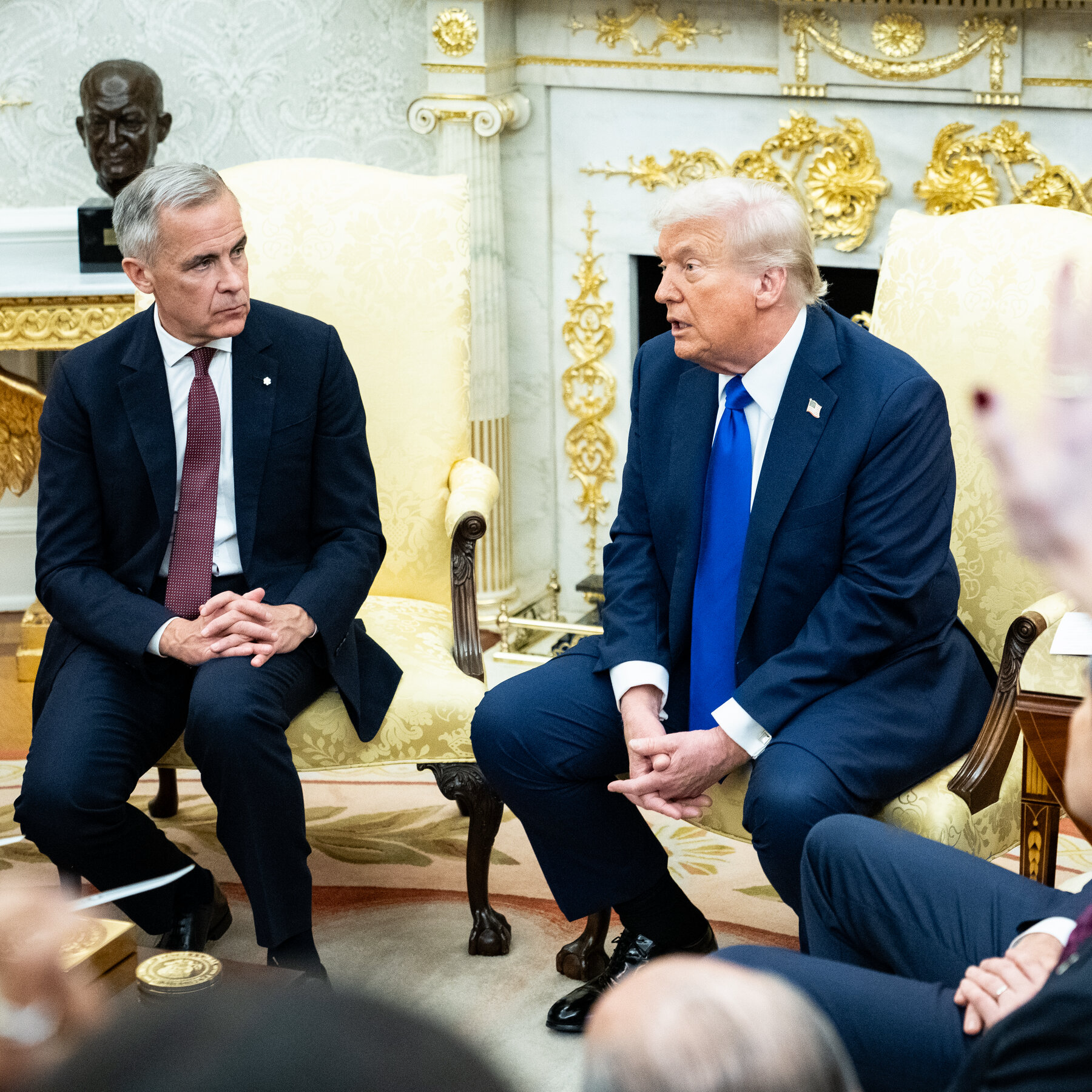
Canada ended trade negotiations with the United States on Friday, rejecting last minute terms and promising dollar for dollar retaliation against new 50% tariffs.
The Canada/US trade talks collapsed Friday after days of negotiations failed to produce an agreement before the latest tariff deadline.
The breakdown means additional 50% US tariffs on roughly $20 billion of Canadian goods took effect Saturday morning.
Prime Minister Mark Carney said Canada entered the negotiations seeking a deal that would benefit Canadians, but he rejected what he described as unfair and economically damaging changes introduced by Washington at the last minute.
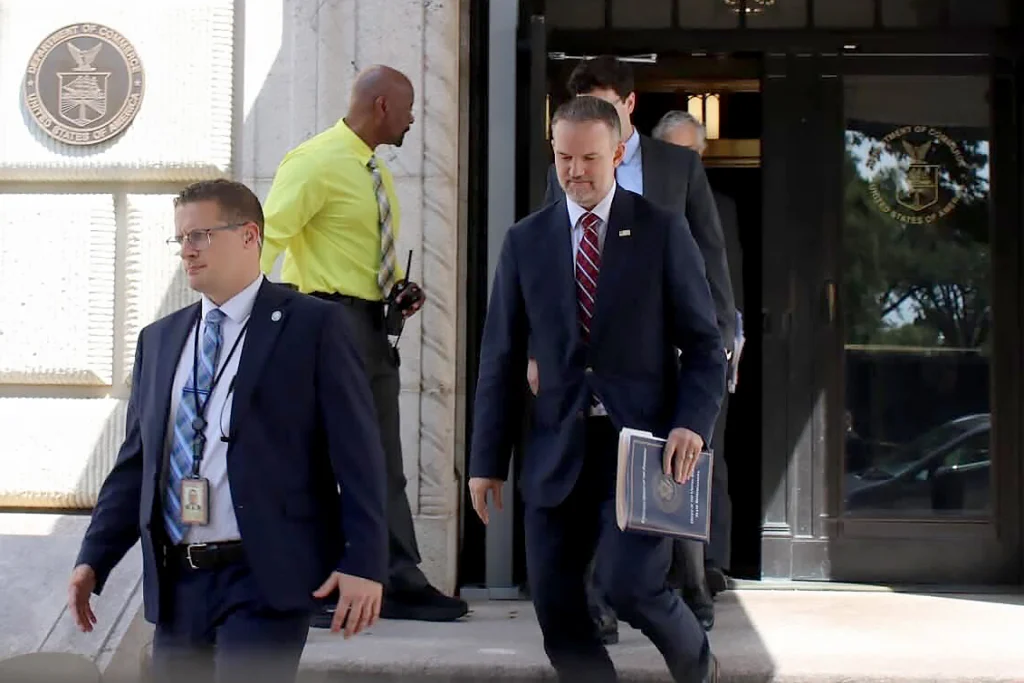
Carney said Canada would respond “dollar for dollar” to the new tariffs. US Trade Representative Jamieson Greer offered the opposite account, saying Canada had declined to finalize an agreement based on terms the two sides had previously accepted.
The talks had appeared close to success earlier in the week. President Donald Trump postponed an earlier Wednesday deadline and said an agreement was nearing completion, while Canadian Trade Minister Dominic LeBlanc said Thursday that the two countries were “very close” to a deal.
The latest tariffs were authorized through Section 338 of the Tariff Act of 1930, a provision allowing tariffs of up to 50% against countries deemed to discriminate against US goods.
The administration said Canada’s treatment of US motor vehicles, alcohol and dairy products justified the measures.
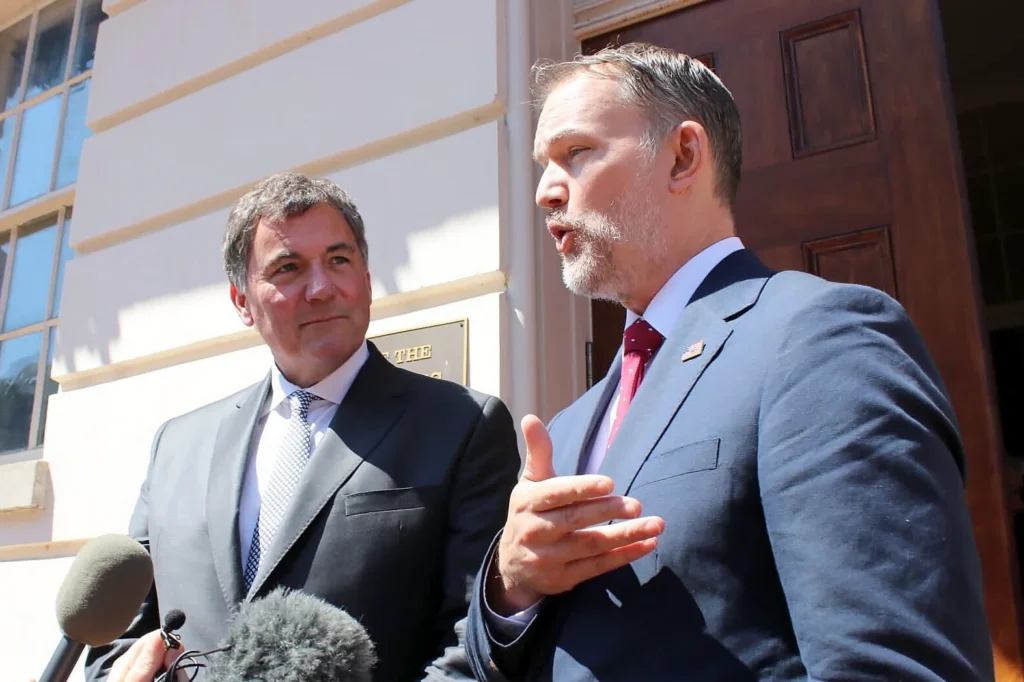
The dispute adds pressure to an already strained economic relationship between two countries whose trade ties are deeply integrated.
The two governments have also been dealing with broader disagreements surrounding the United States Mexico Canada Agreement, or USMCA.
For Canadian businesses, the immediate issue is the increased cost and uncertainty surrounding exports to the United States.
Ottawa has indicated that it will support industries affected by the new tariffs while pursuing a less dependent economic relationship with its southern neighbor.
Carney said Canada would not allow another country to determine its future, while several Canadian provincial leaders backed his decision.
Ontario Premier Doug Ford supported the move, while British Columbia Premier David Eby said Canada would continue fighting the trade dispute.
Alberta Premier Danielle Smith took a more cautious position and urged the federal government to return to negotiations.
The new US tariffs are now in effect, while Canada has committed to retaliatory measures matching their value.
The supplied sources do not establish when negotiations might resume or whether another agreement is imminent.


