
Paris, — Brigitte Bardot, the French actress and singer known for her cinematic fame in the 1960s and her lifelong commitment to animal rights, died Sunday at the age of 91, the Brigitte Bardot Foundation announced. The cause of death was not disclosed.
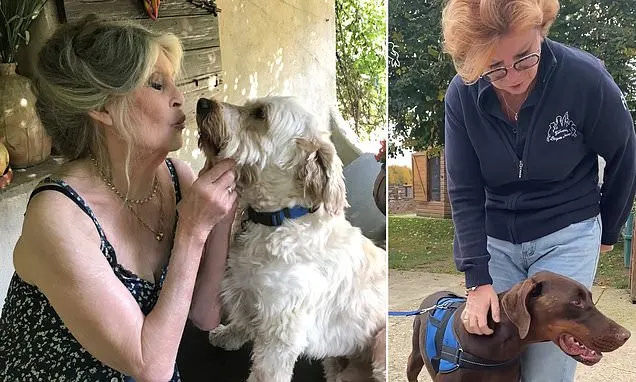
Just one day before her death, Bardot appeared in a video urging the adoption of a Doberman suffering from arthritis, demonstrating her ongoing dedication to animal welfare, according to People magazine.
Bardot began her career as a magazine cover model at age 15 and quickly rose to international fame with her role in And God Created Woman in 1956.
She became a defining figure of 1960s French cinema, starring in films including Naughty Girl, The Truth, A Very Private Affair, and Jean-Luc Godard’s Contempt.
At 39, in 1973, Bardot retired from acting to focus entirely on animal advocacy. In 1986, she founded the Brigitte Bardot Foundation for the Welfare and Protection of Animals, which continues to rescue animals and advocate for stronger protections worldwide.
“The Brigitte Bardot Foundation announces with immense sadness the passing of its founder and president,” the foundation said. “She dedicated her life and energy to animal welfare and to her foundation.”
Bardot’s advocacy began as early as 1962, when she appeared on French television demanding the stunning of animals before slaughter.
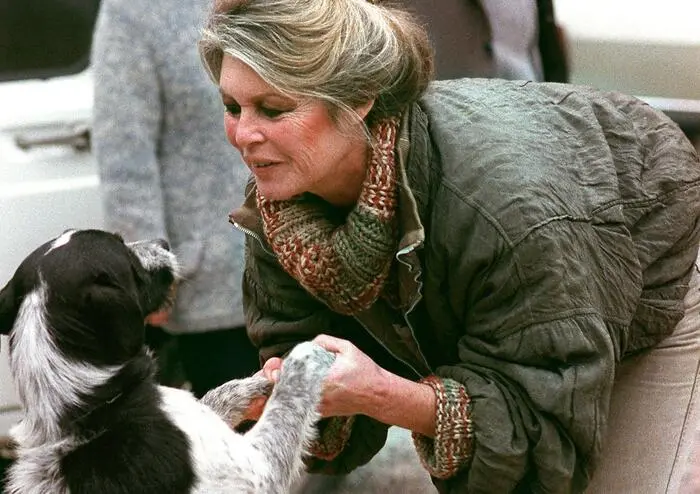
In 1977, she traveled to the Arctic to campaign for the protection of baby seals, gaining international attention.
Dr. Marc Fournier, a professor of animal ethics at Sorbonne University, said, “Bardot’s work in animal advocacy brought global attention to issues often ignored by the public.
Her celebrity amplified causes that might have otherwise been overlooked.” Her foundation reports having rescued thousands of animals over the past four decades and continues to lobby against illegal hunting, fur farming, and animal experimentation.
While widely recognized for her animal advocacy, Bardot also left a lasting imprint on film and culture.
Her performances challenged social norms and expanded the representation of women on screen. Jean-Pierre Lambert, a French film historian, said, “Bardot was not only a screen icon but a cultural phenomenon.
Her films remain influential in film studies and popular culture, while her advocacy inspired countless humanitarian efforts.” Supporters of animal rights expressed grief following the announcement of her death.
Marie Clément, a volunteer at a Paris animal shelter, said, “Brigitte Bardot inspired all of us who work to protect animals. Her dedication showed that fame can be used for meaningful causes.”
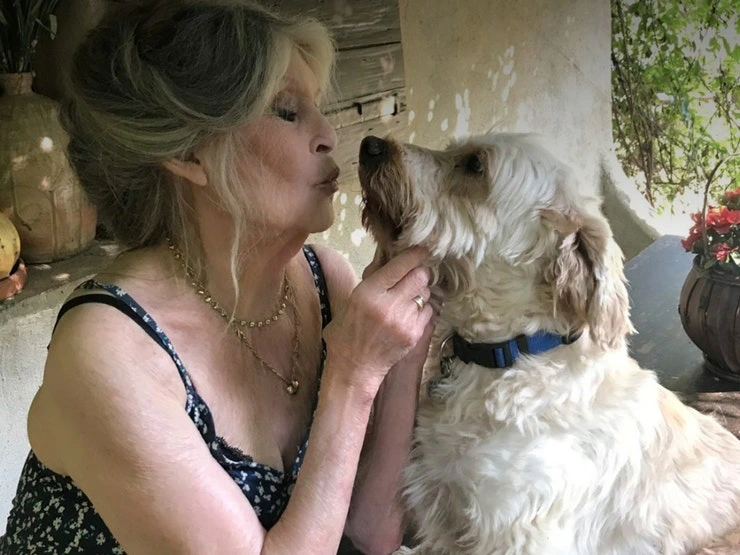
In her final days, Bardot remained active. Two days before her passing, she shared a holiday video with a rescue dog, wishing followers a Merry Christmas while highlighting the importance of caring for pets.
Bardot’s foundation is part of a broader trend of celebrity led animal advocacy in Europe. According to the European Animal Welfare Society, campaigns led by public figures have contributed to higher adoption rates and increased awareness of animal welfare laws.
Élodie Marchand, a sociologist specializing in human animal interactions, noted, “Celebrity led initiatives can increase public engagement in animal protection by up to thirty percent compared with standard outreach methods.
Bardot set a benchmark for advocacy using fame responsibly.” The Brigitte Bardot Foundation says it will continue her work, maintaining rescue programs and influencing policy on animal welfare.
“Her legacy lives on through the actions and campaigns that the foundation pursues with the same passion and unwavering commitment to her ideals,” the organization said.
Experts predict Bardot’s influence will endure. “Her life illustrates how celebrity and advocacy can intersect to produce lasting impact,” Fournier said.
“Future generations of activists will draw inspiration from her example.” Brigitte Bardot’s death marks the end of a life that bridged global cinema and humanitarian activism.
From her rise as a 1960s screen icon to decades of dedication to animal advocacy, her work continues through the Brigitte Bardot Foundation. Her films reflect her cultural significance, while her advocacy secures her legacy as a pioneer in animal welfare.


