
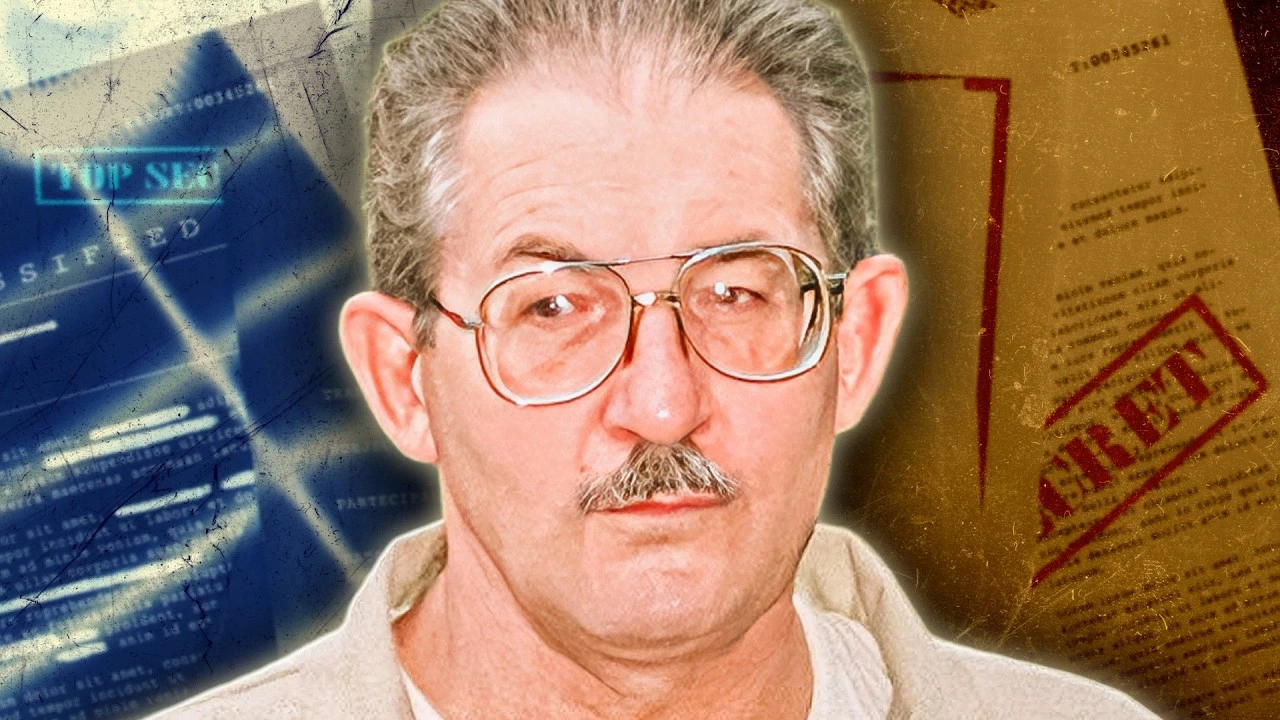
WASHINGTON — Aldrich Hazen Ames, the former CIA officer whose decades long espionage for the Soviet Union and later Russia is considered.
One of the most destructive breaches in US intelligence history, died Jan. 5 while serving a life sentence in a federal prison in Maryland.
He was 84. A spokesperson for the US Bureau of Prisons confirmed his death, adding that the cause will be determined by a state medical examiner.
Ames’s actions compromised dozens of covert operations, led to the arrest and execution of multiple foreign assets.
And prompted sweeping reforms in how US intelligence agencies monitor employees with access to sensitive information.
KEY POINTS
- Aldrich Ames, a former CIA case officer turned Soviet spy, has died in federal custody at 84.
- His espionage exposed human sources in the Soviet Union and Eastern Europe, resulting in multiple deaths.
- The breach highlighted weaknesses in US intelligence oversight and led to strengthened counterintelligence and insider threat protocols.
The death of Aldrich Ames marks the end of one of the most notorious espionage cases in American history.
Ames’s betrayal not only endangered lives but also reshaped US intelligence procedures, revealing vulnerabilities in personnel monitoring and internal security systems.
Ames began his CIA career in 1962 as a document analyst before rising to a case officer role, focusing on the Soviet Union.
In 1985, he offered his services to the KGB while working at the CIA’s Soviet division in Langley, Virginia.
Over the following years, Ames provided highly classified information, including the identities of Western aligned intelligence sources in the Soviet Union and Eastern Europe, in exchange for cash reportedly totaling $2.5 million.
The leak of these identities led to multiple arrests and executions of assets who had been secretly assisting US intelligence.
The pattern of operational losses and the sudden appearance of unexplained wealth eventually drew the attention of the FBI, culminating in his arrest in 1994.
Ames pleaded guilty to espionage and related offenses, receiving life imprisonment without the possibility of parole.
Experts say the Ames case exposed critical flaws in the CIA and FBI’s approach to monitoring employees with access to classified information.
The 1994 Senate Select Committee on Intelligence report highlighted multiple warning signs, including lifestyle changes, poor security practices, and overlooked behavioral red flags.
“Cases like Ames forced intelligence agencies to develop more comprehensive insider threat programs,” said Dr. Elaine Grossman, a national security analyst.
“His actions fundamentally changed the way we evaluate personnel and protect human sources.”
The reforms included expanded polygraph testing, financial audits, travel monitoring, and routine reinvestigations of employees with access to sensitive operations.
Ames’s betrayal also emphasized the need for stronger interagency cooperation in counterintelligence investigations.
Thomas Keating, a retired FBI counter intelligence agent who investigated spy cases in the 1990s, said, Ames’s betrayal was a turning point for US intelligence.
It forced agencies to rethink how they protect human sources and monitor internal threats.”
Former CIA operative Laura Chen, who worked during the Cold War, added, “The losses caused by Ames were profound.
We lost assets, trust, and years of intelligence work. His case reminds us of the human cost of espionage.”
Ames’s death closes a significant chapter in US intelligence history, but his case continues to influence counterintelligence strategy.
Modern US intelligence agencies use advanced analytics, behavioral monitoring, and international collaboration to detect and mitigate insider threats before they compromise operations.
Aldrich Ames’s life exemplifies the risks posed by insider threats to national security.
His death serves as a historical marker, highlighting the importance of rigorous employee vetting, robust internal monitoring, and the ongoing protection of intelligence operations and human sources.
Author’s Perspective
In my analysis, Aldrich Ames’s betrayal shows how internal lapses can cost lives and compromise entire intelligence networks.
I believe his case reshaped counter intelligence and remains a warning for agencies and operatives alike.
I predict that predictive AI analytics will become central in spotting insider threats before damage occurs.
Professionals with access to sensitive information should routinely review personal vulnerabilities and maintain full transparency in conduct.
NOTE! This report was compiled from multiple reliable sources, including official statements, press releases, and verified media coverage.


