
KEY POINTS
- Ajit Pawar plane crash occurred during landing at Baramati Airport, with emergency responders dispatched promptly.
- Initial reports indicate several fatalities; Pawar’s condition has not been officially confirmed.
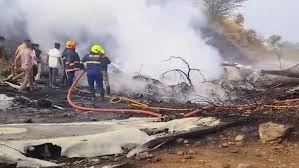
- The crash involved a privately chartered aircraft, with visual reports showing debris scattered and smoke rising from the site.
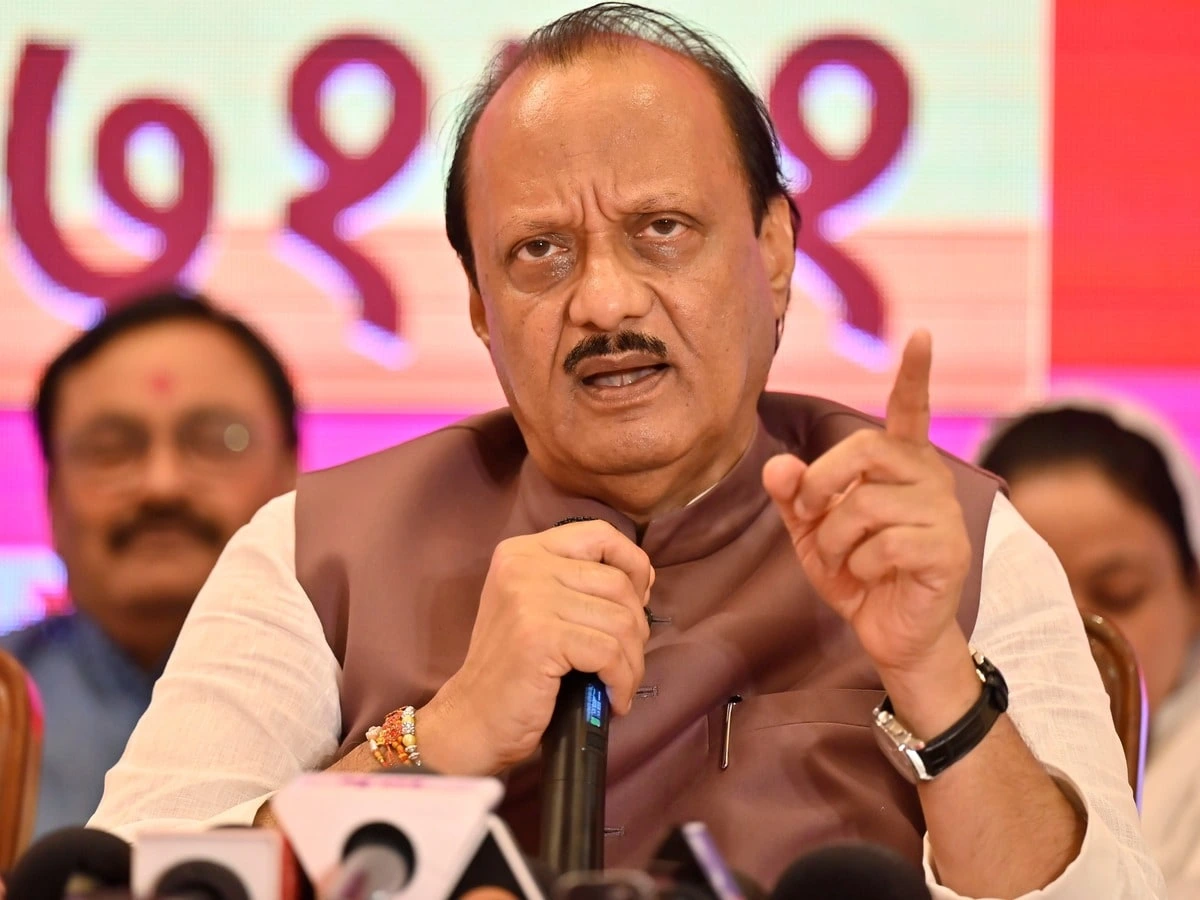
BARAMATI, India — A plane carrying Nationalist Congress Party leader and Maharashtra Deputy Chief Minister Ajit Pawar crashed on Wednesday morning while attempting to land at Baramati Airport, officials said.
Emergency teams responded immediately, with several passengers rushed to nearby hospitals. Authorities have confirmed multiple fatalities but have not released official details regarding Pawar’s condition.
The Ajit Pawar plane crash marks one of the most significant aviation incidents in Maharashtra in recent years. Wreckage was seen across the airport perimeter, with thick smoke and flames prompting a rapid response from fire and rescue teams.
The incident has caused widespread concern, particularly as Pawar is a senior political figure and active in state governance.
Pawar, 66, had attended a Cabinet meeting in Mumbai on Tuesday and was traveling to Baramati for meetings related to upcoming local elections. The chartered aircraft reportedly carried three other passengers.
Baramati Airport primarily handles private and chartered flights, and while smaller airports in India generally maintain safety standards, landing incidents remain a risk due to runway limitations and limited advanced navigation systems.
The Directorate General of Civil Aviation (DGCA) confirmed that a crash occurred during the aircraft’s landing attempt, but further technical details, including the number of casualties, have not yet been officially released.
Aviation safety expert Dr. Meera Singh, director of the Centre for Air Transport Studies, said, “Investigators will examine all factors, including weather, mechanical performance, and pilot procedures.
Small regional airports face unique challenges that can contribute to landing difficulties.”
Former DGCA official Rajiv Bhatia highlighted infrastructure constraints “Many regional airports do not have full scale instrument landing systems, increasing the complexity of safe landings for chartered aircraft, especially in unexpected conditions.”
Authorities have emphasized that a thorough investigation will follow, including black box analysis and assessment of airport facilities.
Local resident Sunil Patil described the scene: “We heard a loud crash and saw fire and smoke immediately. Rescue teams arrived quickly.”
Maharashtra health officials reported that injured passengers were transported to nearby hospitals, though no official statement on Pawar’s status has been released.
Investigators will review flight data recorders, air traffic control communications, weather conditions, and airport safety measures.
The incident may prompt a review of charter flight protocols for government officials and regional aviation safety standards.
The Ajit Pawar plane crash represents a major aviation and political event in Maharashtra.
Emergency operations are ongoing, and authorities have pledged to provide updates as investigations progress and official information becomes available.
The incident underscores the importance of safety oversight at regional airports handling government and private flights.
FAQs
Who is Ajit Pawar in Maharashtra?
Ajit Pawar is the Deputy Chief Minister of Maharashtra and a senior leader of the Nationalist Congress Party (NCP).
Which caste is Pawar in Maharashtra?
Ajit Pawar belongs to the Maratha community, a prominent caste in Maharashtra.
How is Sharad Pawar related to Ajit Pawar?
Sharad Pawar is Ajit Pawar’s uncle.
Which party is the Deputy CM of Maharashtra from?
Ajit Pawar represents the Nationalist Congress Party (NCP).
Author’s perspective
In my analysis, the Ajit Pawar plane crash underscores systemic vulnerabilities in India’s regional aviation infrastructure, where small airports increasingly handle high-profile charter flights without robust instrument landing systems.
From a strategic perspective, this highlights the urgent need for regulatory reinforcement and emergency preparedness protocols.
I predict that the DGCA will mandate advanced avionics and runway upgrades for all regional airports. For citizens and officials, monitoring airport safety compliance can prevent future tragedies.
NOTE! This report was compiled from multiple reliable sources, including official statements, press releases, and verified media coverage.


