
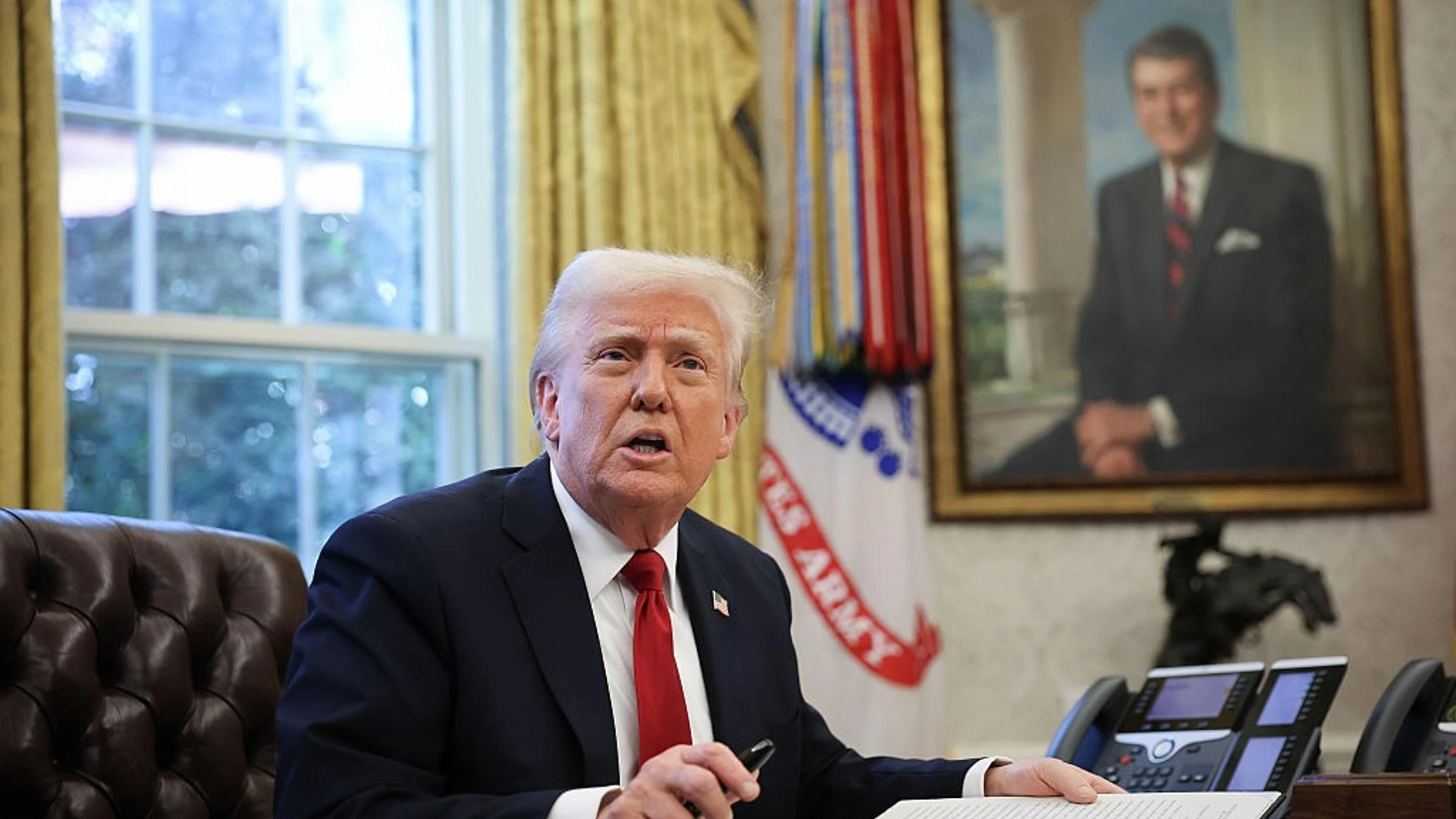
The Trump habeas corpus debate intensified in Washington in 2025 after internal White House discussions examined suspending a key constitutional safeguard to accelerate deportations of undocumented immigrants.
The Trump habeas corpus debate has drawn global attention because it touches constitutional limits on executive power and immigration enforcement priorities.
Habeas corpus, protected under Article I of the US Constitution, has historically been suspended only during extraordinary national crises, including the Civil War.
According to internal White House memoranda reported by The New York Times, Deputy Chief of Staff Stephen Miller advocated stronger executive measures.
Will Scharf, then White House staff secretary, warned courts could invalidate such action.
Constitutional scholar Erwin Chemerinsky of the University of California, Berkeley has argued that habeas corpus remains a foundational protection against unlawful detention.
Federal judges reviewing immigration detention cases remain central stakeholders.
The Trump habeas corpus debate may shape court rulings, immigration policy and executive authority discussions through 2026.
The Trump habeas corpus debate underscores enduring tensions between national enforcement priorities and constitutional protections.
NOTE! This article was generated with the support of AI and compiled by professionals from multiple reliable sources, including official statements, press releases, and verified media coverage. For more information, please see our T&C.


