
SUMMARY
- Weston Higginbotham was located by volunteer rescuers after an extensive search near Kyoto.
- Japanese police said no criminal activity is suspected but have not released a cause of death.
- The case highlights growing challenges in international tourist safety and wilderness rescue operations.
The discovery of Weston Higginbotham in a mountainous area outside Kyoto has drawn international attention as authorities continue withholding details about how the American student died.
The incident has resonated across the United States and Japan because it involves overseas travel, emergency response coordination and family led search efforts.
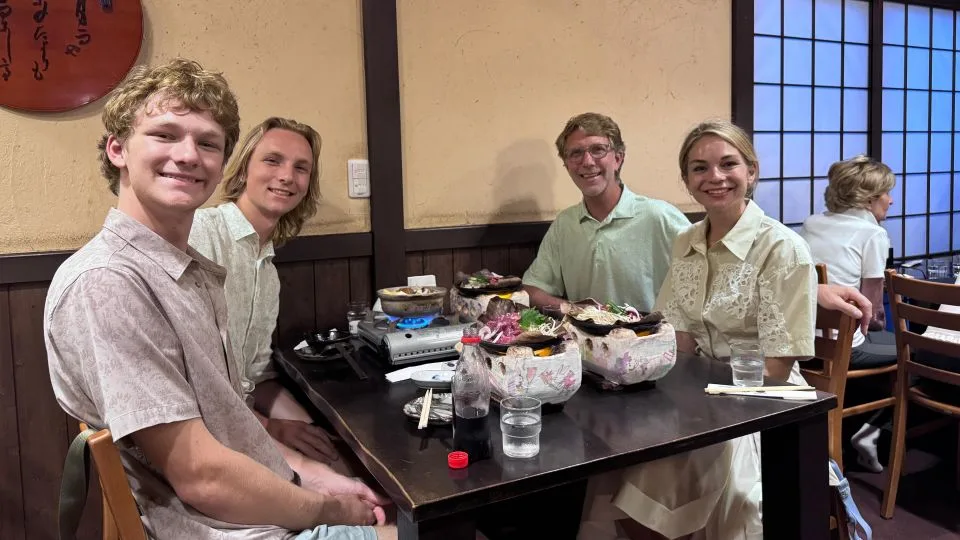
Higginbotham disappeared on May 29 while visiting Japan with relatives. According to his family, he left after a minor disagreement and traveled independently through Kyoto.
Location data and surveillance footage later placed him near the Yamashina district, an area connected to forested hiking routes. A severe storm struck the region during search operations, complicating rescue efforts.
Dr. David F. Bravo, professor of emergency management at the University of North Texas, has noted in previous research that wilderness incidents involving international visitors often become more complex when unfamiliar terrain, weather conditions and communication barriers intersect.
Meanwhile, Dr. Peter Wynn Kirby, environmental studies scholar at the University of Oregon, said outdoor recreation participation has increased globally among younger travelers seeking nature focused experiences, creating new challenges for local rescue systems and tourism authorities.
An under reported aspect of the case is the growing reliance on digital tracking applications during emergencies.
While tools such as Life360 can provide critical location data, rescue officials worldwide increasingly face situations where connectivity gaps or disabled sharing features limit effectiveness.
Nancy Higginbotham, Weston’s mother, told CNN that her son’s decision to disable location sharing was “out of character.”
Auburn University President Christopher Roberts called Weston “a valued member of the Auburn Family.”
Kyoto police officials said investigators do not suspect foul play and declined to release additional forensic details. Japanese authorities may release further findings in coming months.
The Weston Higginbotham case is likely to encourage renewed discussion about tourist safety protocols, emergency location technologies and cross border crisis response coordination.
The death of Weston Higginbotham underscores the complexities of modern travel, where technology, wilderness exploration and international emergency systems increasingly intersect.
NOTE! This article was generated with the support of AI and compiled by professionals from multiple reliable sources, including official statements, press releases, and verified media coverage. For more information, please see our T&C.


